2026 Best Exterior Doors for Your Home Improvement Projects?
When considering home improvement, the choice of exterior doors is crucial. The right exterior doors can significantly enhance aesthetics and energy efficiency. According to the National Association of Home Builders, nearly 30% of homeowners prioritize new doors in their remodeling projects. This statistic highlights the doors' role not only in appearance but also in functionality.
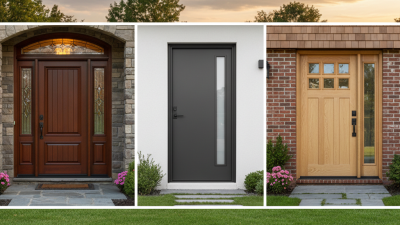
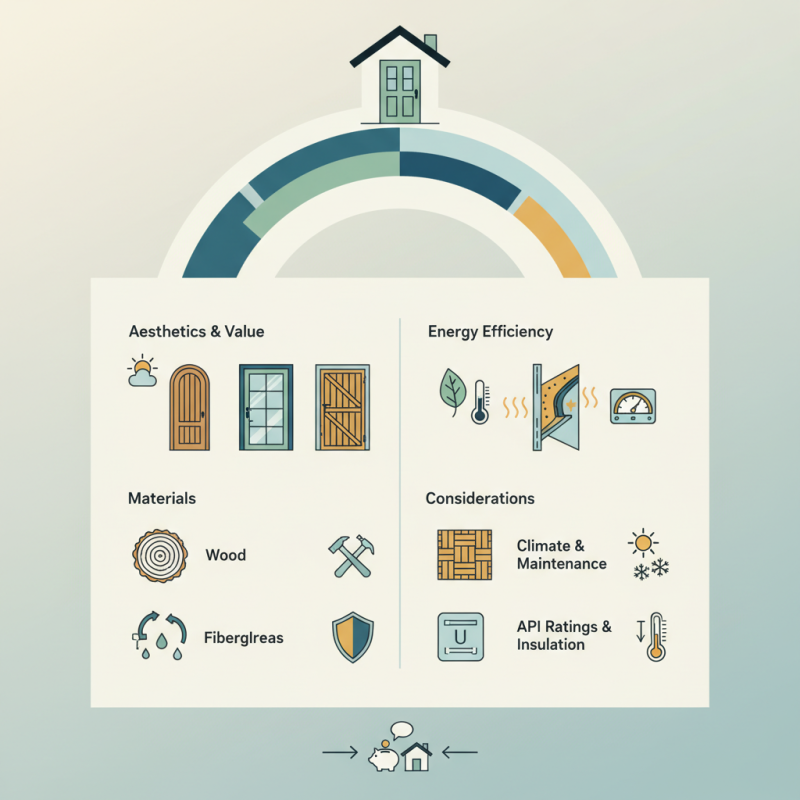
Exterior doors come in various styles and materials, from traditional wood to modern fiberglass. Each material has its pros and cons. Wood might offer natural beauty, yet it's prone to weather damage. Fiberglass is durable, but it may lack the unique charm yearned for by some homeowners. Choosing an exterior door requires careful thought about such factors as climate and maintenance.
Additionally, energy efficiency is a growing concern. The U.S. Department of Energy states that exterior doors can account for up to 10% of heat loss in homes. Being aware of API ratings and insulation levels is essential. However, many homeowners overlook these details. It's essential to reflect on the long-term benefits and costs when selecting the best exterior doors for your home.
2026 Trends in Exterior Door Design for Home Improvement Projects
In 2026, exterior door design trends focus on sustainability, security, and smart technology. Many homeowners prioritize energy-efficient doors. According to industry reports, energy-efficient doors can reduce heating costs by 10-25%. This aligns with the growing emphasis on eco-friendly building practices. Aesthetics also play a significant role. Natural wood finishes and bold colors capture attention. An entry door often sets the tone for the entire home.
Adding smart technology to exterior doors is a game-changer. Features like smart locks and video doorbells enhance security. Reports indicate that smart home devices increase property value. Homebuyers today look for these modern conveniences. However, integrating technology may require professional installation. Consider the cost versus benefit.
Tip: Focus on choosing materials that are both stylish and durable. Fiberglass and steel doors offer great insulation and resistance. If unsure, consult with a professional for tailored advice.
Remember, design choices should reflect personal style and practicality. Trends may influence your decisions, but your home should feel like yours. The balance between trendy and timeless is crucial in selecting exterior doors.
Comparative Analysis of Energy Efficiency Ratings for Exterior Doors
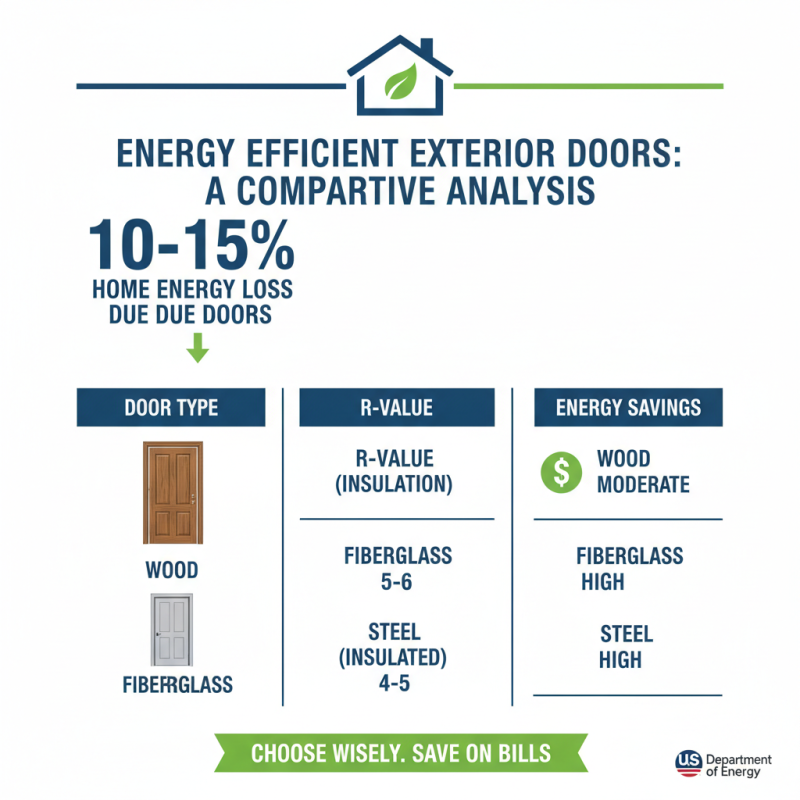
When considering exterior doors for home improvement, energy efficiency is crucial. The U.S. Department of Energy highlights that doors account for about 10-15% of a home's energy loss. This means choosing the right door can significantly impact your energy bills.
Energy efficiency ratings are often measured by U-factor, which represents heat transfer. The best models have a U-factor of 0.15 or lower. In contrast, some standard doors have a U-factor above 0.30. Such choices can increase heating costs, leading to frustration for homeowners.
Furthermore, look into the Energy Star certifications. These doors are tested for performance and have met stringent energy efficiency guidelines. While they can be more expensive initially, the investment pays off over time. Studies show that energy-efficient doors can save homeowners up to $500 annually on energy bills. It’s an important consideration for long-term planning.
Top Materials for Exterior Doors: Durability and Aesthetics Considerations
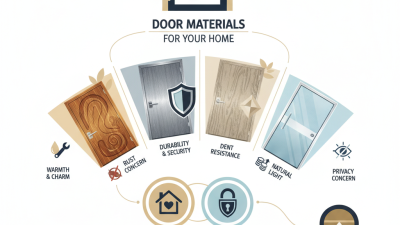
When considering exterior doors for your home, durability and aesthetics are paramount. The right material can greatly influence both the longevity of the door and the overall curb appeal of your home. According to a recent report by the American Architectural Manufacturers Association, wood, fiberglass, and steel are the top contenders for exterior door materials due to their mix of strength and visual appeal.
Wood doors exude elegance but require upkeep. Regular painting or sealing is essential to prevent moisture damage. It’s estimated that untreated wood can begin to show signs of rot within five years, depending on your local climate. On the other hand, fiberglass doors offer resistance to warping and cracking. They are a solid option with minimal maintenance but can lack the richness that wood provides.
Steel doors are a robust choice, known for their security features. Despite being strong, they may be prone to dents. If you opt for steel, consider investing in a door with a good insulation core. This leads to better energy efficiency. A study by the Department of Energy indicates that insulated doors can reduce energy bills by up to 20%.
Tips: For maximum durability, choose doors with high-quality finishes. Look for UV protection to enhance longevity. Pairing your door choice with appropriate weather stripping can also improve energy efficiency. Consider your local climate when selecting materials to prevent future issues and reflect on each option's long-term value.
Impact of Exterior Door Styles on Home Value and Curb Appeal
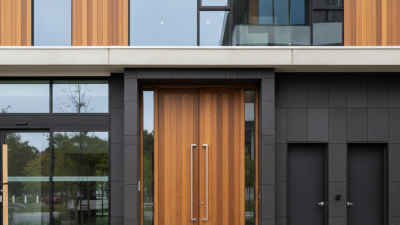
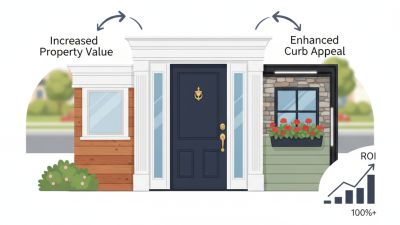
Choosing the right exterior door can significantly impact your home’s value and curb appeal. The style of your door sends a message about your home. A modern design might attract younger buyers, while a classic style often appeals to families. A well-chosen door can boost interest from potential buyers.
Colors matter, too. Bold shades can stand out, but they may also alienate some viewers. A neutral color is safe but might lack character. Textured finishes can add depth but require more maintenance. It’s essential to balance aesthetics and functionality.
Don’t overlook the material. Wood can bring warmth and charm but may warp over time. Steel offers security but can feel cold. Fiberglass can mimic wood without the drawbacks. Reflect on what your home needs. Each choice has its pros and cons. What suits one home may not suit another.
Best Practices for Installing Exterior Doors in Various Climates
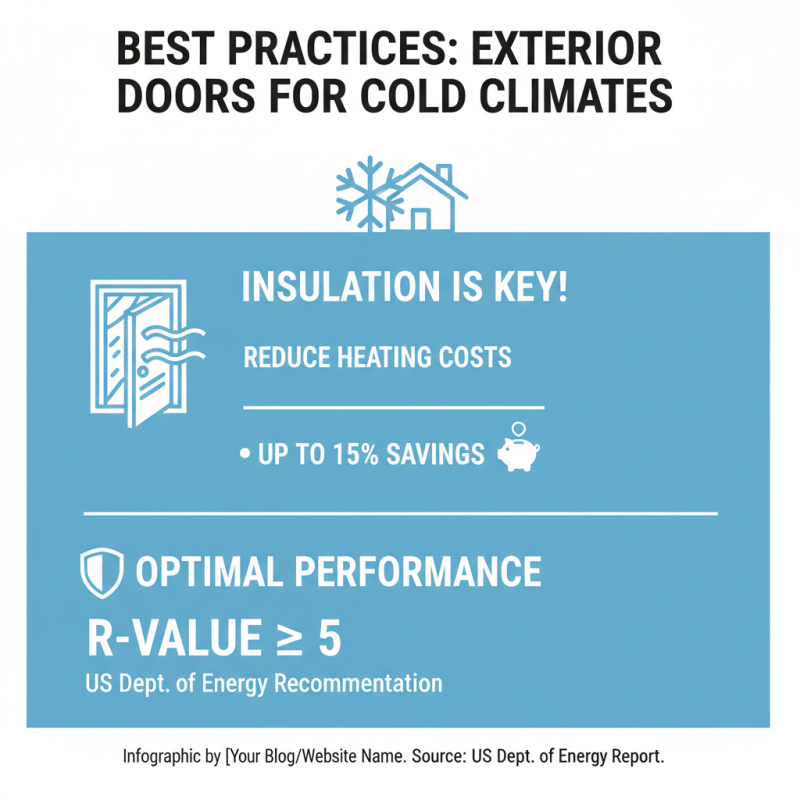
When choosing exterior doors, climate plays a crucial role. In colder regions, doors should have better insulation. According to a report by the U.S. Department of Energy, insulated doors can reduce heating costs by up to 15%. Look for models with an R-value of 5 or higher for optimal performance.
In humid climates, moisture resistance is essential. Wood doors can swell or warp under high humidity. Consider fiberglass or steel options. These materials offer durability and withstand the elements better. The National Association of Home Builders suggests that homeowners monitor their door frames for signs of water damage, even with high-quality materials.
Installing exterior doors properly is vital. A poorly installed door can lead to air leaks and increased energy bills. In regions with heavy rainfall, installing a door with a slight slope can prevent water pooling. Always ensure that the door frame is square and level. Misalignment can cause operational issues. Regular inspections can highlight problems before they escalate. Sometimes, it’s the small details that make the biggest difference.