Buying exterior doors at wholesale prices can improve a project’s budget, but the lowest quote is not always the best value. A reliable purchase depends on more than the door’s appearance. Material, weather resistance, security hardware, installation requirements, and delivery terms all affect the final cost. A fiberglass door may resist moisture better than untreated wood, while a steel model can offer strong security and durability. These differences matter when doors face heavy rain, direct sunlight, or frequent daily use.
This guide shares seven practical tips for comparing wholesale suppliers and choosing suitable exterior doors. It considers sample inspections, bulk pricing, energy performance, warranty coverage, and freight planning. Experienced buyers often request product specifications before discussing large quantities. They check frame dimensions, threshold design, finish quality, glazing details, and replacement policies. A small sample can reveal uneven paint, weak seals, or damage-prone packaging.
Do not trust a polished catalog alone. Ask for current product data, verified business information, and clear delivery conditions. Confirm whether prices include frames, locks, weatherstripping, and shipping. Those missing items can change the budget quickly. A cheaper door may also require extra labor or earlier replacement. That is easy to overlook.
The process is not perfectly predictable. Suppliers may provide different specifications, and regional weather can expose weaknesses that showroom tests miss. Careful comparison remains worthwhile. With practical checks and honest questions, wholesale buyers can reduce surprises and select doors that perform reliably beyond the first installation.
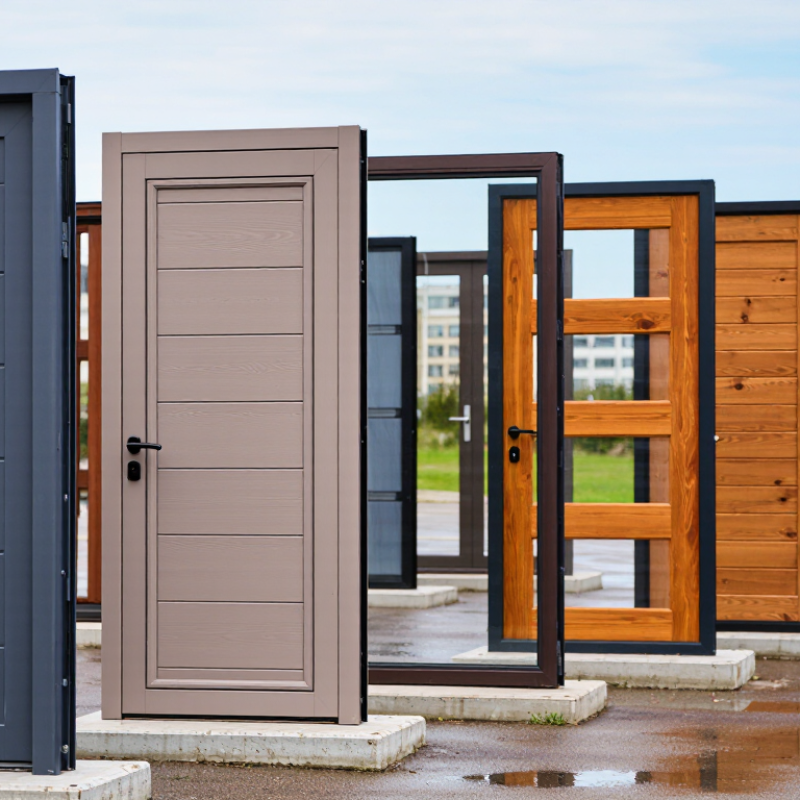
Before seeking wholesale prices, define exactly what your exterior door project requires. Measure each opening at several points, including width, height, and wall depth. Older buildings often have uneven frames. Do not trust one measurement. Record the swing direction, threshold height, glazing needs, and hardware location. A simple site sketch can prevent expensive ordering mistakes.
Consider the building’s exposure and daily use. A coastal entrance may need stronger moisture resistance, while a busy apartment entrance needs durable hinges and secure locking hardware. Check insulation performance, weather seals, fire-rating requirements, and accessibility conditions with a qualified local professional. These details affect the suitable material and total cost. A low unit price means little if the door needs frequent adjustment.
Set the project scope before requesting a bulk quotation. Include door slabs, frames, thresholds, hinges, locks, glass panels, finish options, packaging, delivery, and installation responsibilities. Ask suppliers to separate product prices from freight and replacement terms. Clarify production tolerances and inspect a sample before approving a large order. I have seen projects focus on door quantity and overlook frame compatibility. That mistake can delay an entire site. Leave room for a small reserve, but avoid ordering excessive stock before final measurements are verified.акәа
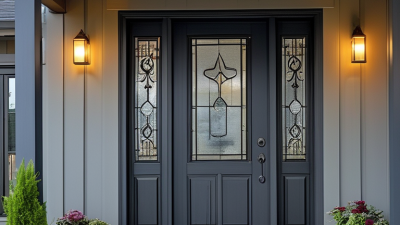
Compare supplier experience before comparing prices. Ask for project photos, material specifications, warranty terms, and recent trade references. A low quote means little if measurements arrive late or replacement parts become difficult to obtain.
Check whether the supplier manufactures doors or simply resells them. Direct sourcing may reduce layers of markup, but communication can require more patience.
Separate pricing models carefully. Some suppliers quote per door, while others bundle frames, hardware, glass, and delivery. Request an itemized estimate. Otherwise, a $180 door can become a $310 order after hinges, packaging, and freight.
Confirm whether prices change with material, insulation, finish, or custom dimensions. Ask about price validity, too. Steel costs may shift during a long project.
Study minimum order quantities before negotiating. A supplier requiring 20 units may offer better pricing, but excess inventory ties up cash and warehouse space.
Ask about mixed-size orders. Some wholesalers accept different door styles within one minimum order, which can reduce waste.
Calculate landed cost, not only unit cost. Include delivery, unloading, damaged-goods procedures, taxes, and installation preparation.
My purchasing mistake was trusting a spreadsheet that excluded residential delivery charges. The final cost was higher than expected. Keep written records of every assumption. Compare at least three suppliers using identical specifications, and request a sample before placing a large order. A sample may reveal uneven paint, weak seals, or a frame that does not match the listed dimensions.
7 Tips for Buying Exterior Doors at Wholesale Prices
Tip 1: Inspect the material before comparing prices. Fiberglass resists moisture and dents, while steel offers strength at a lower cost. Wood provides warmth, but it needs regular sealing. Hold a sample in daylight. Small surface flaws may become obvious after installation. I once judged a door by its finish alone, and missed a weak lower edge.
Tip 2: Study the construction, not just the material. Check welded corners, reinforced lock areas, solid cores, and accurately fitted hinges. A heavy door is not automatically a durable door. Ask for test reports, warranty terms, and installation requirements. Wholesale savings can disappear when the frame needs expensive adjustments. Measure wall openings carefully, including depth, height, and threshold space.
Tip 3: Compare energy performance and security together. Look for a suitable U-factor, tight weatherstripping, insulated cores, and low-emissivity glass when glazing is included. Press around the closed door; gaps should not admit visible light. For security, examine multi-point locks, reinforced strike plates, hinge protection, and tamper-resistant fasteners. More hardware is not always better. Poor alignment can make a sophisticated lock frustrating and unreliable.
Request a production sample before placing a large order. Confirm color consistency, drainage details, packaging, and replacement procedures. Ask whether the quoted wholesale price includes frames, thresholds, freight, and taxes. These details are easy to overlook. A dependable supplier should answer clearly and provide consistent documentation. Even then, recheck the specifications before payment; written assumptions often cause the costliest mistakes.
| Tip | Evaluation Area | What to Check | Typical Facts and Performance Data | Wholesale Buying Action | Practical Result |
|---|---|---|---|---|---|
| 1 | Compare Door Materials | Review the door slab, frame, finish, moisture resistance, maintenance needs, and expected exposure to sunlight or rain. | Fiberglass generally resists denting, moisture, and corrosion better than many wood products. Steel doors can provide strong impact resistance but may dent or corrode if the protective coating is damaged. Wood offers a natural appearance but requires more regular sealing and maintenance. | Request samples, material specifications, finish details, warranty terms, and replacement-part availability before placing a volume order. | Lower long-term maintenance costs and fewer material-related returns. |
| 2 | Inspect Core Construction | Check whether the slab is solid, insulated, hollow, or engineered; also review rails, stiles, skins, edge construction, and frame anchoring. | Insulated steel and fiberglass slabs commonly use polyurethane or polystyrene cores. A well-built frame, reinforced lock area, continuous weatherstripping, and adjustable threshold help improve durability and fit. | Ask for cross-section drawings, slab thickness, core type, frame material, hinge reinforcement, and maximum supported door weight. | More consistent installation quality and improved resistance to warping or sagging. |
| 3 | Verify Energy Efficiency | Compare whole-door U-factor, solar heat gain coefficient where applicable, air leakage, glazing performance, and weatherseal design. | A lower U-factor indicates better resistance to heat flow. Common insulated exterior doors may have whole-door U-factors around 0.10–0.30 Btu/(h·ft²·°F), depending on size, glazing, frame, and construction. Air leakage should be evaluated using a tested rating rather than appearance alone. | Request test reports or performance labels for the complete door assembly, not only the center panel. Confirm that ratings apply to the exact size and glazing option purchased. | Better comfort near the entry and potentially lower heating or cooling demand. |
| 4 | Evaluate Security Features | Review lock-block reinforcement, deadbolt alignment, strike-plate attachment, hinge protection, multipoint locking, and glass placement. | Longer screws installed into structural framing generally provide stronger attachment than screws secured only to thin trim. Laminated or impact-rated glazing can resist forced entry better than ordinary single-pane glass, but performance depends on the complete tested assembly. | Specify compatible lock preparations, reinforced strike areas, hinge locations, safety glazing, and any regional impact or forced-entry requirements. | Improved resistance to forced entry without relying on the door slab alone. |
| 5 | Confirm Weather and Water Protection | Check sill design, drainage paths, corner seals, compression weatherstripping, sweep condition, and resistance to wind-driven rain. | A complete door system must manage air, water, and pressure at the slab, frame, sill, and installation joint. Water resistance cannot be judged from the slab material alone. | Obtain the tested performance grade or water-resistance documentation and confirm whether sill pans, flashing, or installation accessories are included. | Fewer drafts, leaks, swelling problems, and installation-related service claims. |
| 6 | Compare Total Wholesale Cost | Calculate the complete landed cost, including door units, frames, glazing, hardware preparation, packaging, freight, duties, storage, installation accessories, and expected waste. | A low unit price may be offset by oversized freight, custom-size charges, minimum order quantities, high damage rates, missing hardware, or limited after-sales support. | Compare at least three written quotations using identical specifications, quantities, delivery terms, tolerances, and inspection criteria. | A more accurate cost per installed door and fewer unexpected expenses. |
| 7 | Check Compliance, Testing, and Quality Control | Verify applicable building-code requirements, fire-rating needs, safety glazing rules, accessibility dimensions, labeling, inspection procedures, and packaging standards. | Performance ratings apply to specific assemblies and configurations. Changing the size, frame, glass, hardware, or installation method can affect the tested result. Fire-rated doors also require compatible frames and hardware. | Use a pre-shipment checklist covering dimensions, swing direction, finish, glazing, hardware preparation, labels, carton protection, and random quality inspections. | Reduced rejection risk, easier project approval, and more reliable batch consistency. |
Buying exterior doors at wholesale prices can reduce project costs, but a low quote is not enough. Measure the rough opening, jamb depth, sill height, and swing direction twice. A few millimeters can create expensive installation problems. Record measurements with photos and a simple sketch. This step feels slow. It prevents guesswork later. Ask the supplier whether dimensions include the frame, threshold, and exterior trim. A common job-site mistake is measuring only the slab and ordering the wrong assembly.
Before paying, check local building requirements for wind resistance, fire separation, energy performance, glazing, and accessibility. Requirements vary by location and building type. Request written compliance documents, not verbal assurances. Review the warranty line by line. Confirm coverage for the slab, frame, hardware, finish, and labor. Ask when coverage begins and which installation errors void it. Wholesale terms sometimes limit protection. That detail matters. A professional supplier should provide current specifications and clear answers.
Shipping deserves equal attention. Confirm packaging, delivery timing, unloading equipment, and responsibility for concealed damage. Inspect every carton before signing, even during a rushed delivery. Photograph crushed corners, wet packaging, and missing hardware immediately. Read the return policy before ordering custom sizes or special finishes. Some doors cannot be returned after production starts. Check restocking fees, reporting deadlines, and return freight costs. I would also ask how refunds are issued. That question is easy to miss. A detailed purchase record protects both sides, although it cannot fix poor planning.
Common U.S. residential exterior door sizes are shown as nominal slab dimensions. Before purchasing at wholesale prices, verify the actual door, rough-opening, jamb, swing, code, warranty, shipping, and return requirements because nominal dimensions do not guarantee a compatible installation.
7 Tips for Buying Exterior Doors at Wholesale Prices
Calculate the complete cost, not just the wholesale door price. Tip one: request an itemized quotation covering the slab, frame, hardware, finish, packaging, delivery, and applicable taxes. Tip two: measure every opening carefully, including wall thickness and swing direction. A small measurement error can create expensive alterations.
Tip three: compare the landed cost per installed door. Include labor, unloading equipment, storage, and disposal of old materials. Tip four: ask for written performance details, such as weather resistance, insulation values, drainage design, and finish durability. A low price means little if the door swells after one wet season. Tip five: confirm lead times and minimum order quantities before paying a deposit. Delays can affect other trades and temporary security arrangements.
Tip six: inspect a physical sample or detailed finish sample whenever possible. Check corner joints, seal compression, hinge strength, and surface consistency. Tip seven: review warranty terms, replacement procedures, and exclusions in plain language. Experienced purchasing teams also compare supplier communication, packaging quality, and previous project references.
Wholesale decisions are rarely perfect. I once focused too heavily on the unit discount and underestimated storage costs. That mistake changed how I evaluate quotes. Keep a written cost sheet, challenge unclear assumptions, and leave room for delivery damage or site changes. The best deal is the one that performs reliably within the project’s real budget.