10 Best Building With Doors Suppliers Worldwide?
Choosing a door supplier is not just a matter of comparing catalogs. Doors shape daily circulation, privacy, security, accessibility, and the way a building handles heat and noise. For architects, contractors, and owners, the right partner must deliver consistent specifications, dependable lead times, and products suited to the project’s climate and use. A polished brochure helps. It is not proof of performance.
The stakes are substantial. The UN Environment Programme and Global Alliance for Buildings and Construction reported that buildings and construction accounted for 34% of global energy demand and 37% of energy- and process-related carbon dioxide emissions in 2022. Those figures concern the sector as a whole, not doors alone. Still, they underscore why opening systems, materials, and installation details deserve scrutiny. A poorly specified entrance can undermine comfort; an unsuitable fire-rated or acoustic assembly can create costly project risks. Details matter.
This guide examines 10 building with doors suppliers worldwide, considering product range, technical support, manufacturing reach, and evidence available to buyers. The comparison is intended as a practical starting point, not a universal ranking. Supplier capabilities vary by region, product line, and project scale, while published information can be uneven. That deserves honest attention. Before shortlisting, verify current certifications, test reports, warranties, and local service coverage directly with each manufacturer. A strong supplier should answer precise questions about hardware compatibility, finish options, and replacement parts—not simply promise quality.

Definition and Scope of Building With Doors Suppliers
Building with doors suppliers are companies that provide complete or coordinated building solutions involving doors. Their scope may include door leaves, frames, hinges, locks, seals, glazing, and installation support. Some suppliers serve residential projects, while others focus on offices, hospitals, factories, schools, or public facilities.
A reliable supplier should understand more than appearance. Door selection depends on wall thickness, opening size, traffic frequency, moisture, fire performance, sound control, and accessibility needs. For example, a hospital corridor may require smooth surfaces, strong hinges, and easy cleaning. A warehouse entrance may need impact resistance and frequent-cycle hardware. Experienced suppliers usually provide drawings, material data, testing records, and clear maintenance instructions.
The definition also includes manufacturers, distributors, system integrators, and specialist installers. Their responsibilities can overlap, so buyers should confirm who measures openings and who handles adjustments after delivery. Site experience matters. A door can look excellent but fail when the frame is poorly aligned or the floor is uneven. Small details matter.
A trustworthy supplier explains limitations instead of promising every feature. Product availability, lead times, replacement parts, and installation training should be discussed early. Independent testing can support claims about safety, durability, insulation, or acoustic performance. Yet documents are not everything. A short site visit may reveal problems that drawings miss. Perfect specifications rarely survive real construction. That is why practical review remains necessary before choosing among worldwide suppliers.
Key Door Products and Services Offered by Suppliers
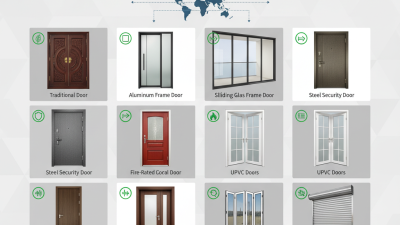
Worldwide door suppliers usually provide more than door leaves and frames. Their catalogs may include solid wood, steel, aluminum, glass, fire-rated, acoustic, and energy-efficient models. Each option serves a different building condition. Exterior doors need weather seals, drainage details, and durable finishes. Interior doors often prioritize privacy, sound control, and smooth operation. Suppliers with technical experience explain these differences before quoting. A low price can hide weak cores, poor hinges, or unsuitable seals. Small details matter.
Reliable suppliers also offer measured drawings, finish samples, hardware schedules, and installation guidance. Some prepare CAD files for architects and provide mock-up doors for project testing. Services may cover site measurement, factory inspection, packaging, shipping coordination, and after-sales support. For large developments, staged delivery can reduce storage damage. Fire and security products should include traceable test documents and clear maintenance instructions. Ask how ratings were tested, not merely whether a product is certified. That question often reveals real expertise.
Custom work helps when openings are irregular or design standards vary by region. Suppliers may adjust dimensions, glazing, thresholds, locks, closers, and access-control preparation. Yet customization can create delays and replacement problems. Written tolerances prevent many disputes. The process is rarely perfect. Even strong teams may miss a hinge side occasionally. Review shop drawings carefully, confirm door swings, and request installation photos from comparable projects. A dependable supplier communicates limits honestly and corrects mistakes through documented procedures.
Building Door Suppliers: Common Fire-Door Ratings
Key products and services include fire-rated doors, frames and hardware, custom fabrication, installation, and maintenance.
The chart shows examples of commonly specified fire-protection ratings in minutes, not a ranking or supplier market data. Available ratings and requirements depend on local codes and the tested door assembly.
Criteria for Evaluating Building With Doors Suppliers Worldwide
Evaluating building-with-doors suppliers worldwide requires more than comparing catalog prices. The International Energy Agency’s 2023 Global Status Report for Buildings and Construction estimates that buildings account for 34% of global energy demand and 37% of energy- and process-related carbon dioxide emissions. These figures cover buildings overall, not doors alone, but they underline why thermal performance matters. Ask suppliers for tested U-values, air-leakage results, and evidence that the stated ratings apply to the exact door configuration. Small details count: glazing, seals, frame material, and installation tolerances can change real-world performance. A polished datasheet is not field evidence.
Check that test methods and certifications are recognized in the destination market, and request reports from accredited laboratories. For fire-rated doors, verify the complete assembly, including frame, hardware, and installation instructions; a rating for one component proves little by itself. Acoustic ratings and durability testing also deserve scrutiny, especially for schools, hospitals, and busy façades. Standards and code requirements differ. Confirm locally.
Supplier reliability is practical, not just promotional. Compare lead times, spare-part availability, packaging protection, warranty terms, and documented quality-control procedures. Ask how the supplier handles damaged deliveries and replacement components across borders. If possible, inspect a sample and review references for projects in a similar climate. I would not treat one successful installation as proof of consistent quality; that is an easy mistake. A clear paper trail, repeatable test data, and realistic service commitments offer stronger grounds for selection.
10 Notable Building With Doors Suppliers Around the World
The global building-door market includes suppliers with different strengths, materials, and project experience. A practical shortlist can include a German steel-door producer, an Italian wood-door workshop, and a Polish fire-rated door manufacturer. A Danish supplier may focus on acoustic entrances. A Turkish company may offer durable metal systems for demanding climates. Each option deserves technical review.
In Asia, a Japanese supplier can provide precise sliding doors for compact commercial spaces. A South Korean manufacturer may specialize in insulated aluminum frames. An Indian producer can support large housing projects with economical steel doors. An Australian supplier may design weather-resistant doors for coastal buildings. A Canadian company can offer insulated entry systems for severe winter conditions. These ten supplier profiles show how regional knowledge affects product performance.
Check more than catalog images. Request test reports, installation manuals, warranty terms, and recent project references. Ask how hinges, seals, locks, and frames perform after repeated use. Site experience matters. A door can look excellent yet fail beside a busy loading area. I have also found that delivery planning is often underestimated. Custom sizes may extend schedules, especially when drawings change late. Supplier communication should be measured, not assumed. Material claims also need verification through recognized testing or certification bodies. The best choice depends on climate, fire requirements, security needs, maintenance access, and budget. There is no universal winner. Even experienced buyers can overlook threshold drainage or replacement-part availability.
How to Select a Supplier for Your Building Project
Selecting a door supplier starts with the building, not the catalogue. Match door type, frame, hardware, fire rating, and finish to the project’s use and exposure. A coastal entrance needs corrosion-resistant components; a busy school corridor needs durable hinges and clear maintenance instructions. Ask for test reports covering the complete door assembly, not just the leaf. Check ratings for thermal performance, air leakage, acoustics, and fire safety where relevant. Details matter.
The stakes are measurable. UNEP and GlobalABC’s 2023 Global Status Report for Buildings and Construction says buildings accounted for 34% of global energy demand and 37% of energy- and process-related carbon emissions in 2022. These figures do not predict one door’s performance, but they underline why envelope specifications deserve scrutiny. Request product data, installation guidance, and evidence that the proposed assembly meets the project specification. Compare lead times, replacement-part availability, warranty exclusions, and technical support in writing. Ask how damaged units are handled. Then check references for projects with similar climate, traffic, and delivery constraints. A supplier may offer excellent paperwork yet struggle with site coordination; I would verify both before award.