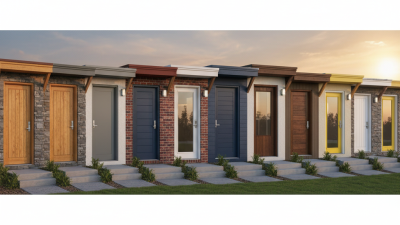
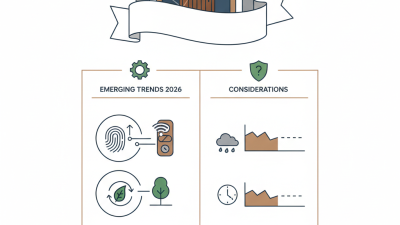
Best Doors for Building Projects What to Consider?
When planning building projects, selecting the right doors for building is critical. Doors serve both functional and aesthetic purposes. According to a 2021 industry report by IBISWorld, the U.S. door manufacturing market reached $15 billion, showcasing the significant demand and variety available. Choosing the right doors impacts security, energy efficiency, and design.
Consider the materials used for doors. Options include wood, fiberglass, and metal. Each material offers unique advantages. For instance, fiberglass doors are popular for their durability and energy efficiency. Moreover, a study by the National Renewable Energy Laboratory indicated that energy-efficient doors can reduce heating and cooling costs by up to 25%.
The aesthetic aspect cannot be overlooked. Doors set the tone for both interior and exterior spaces. Customization options are plentiful, but not all will match intended designs or budgets. The challenge lies in balancing functionality with visual appeal. Ultimately, the selection process should reflect both personal style and practical needs.
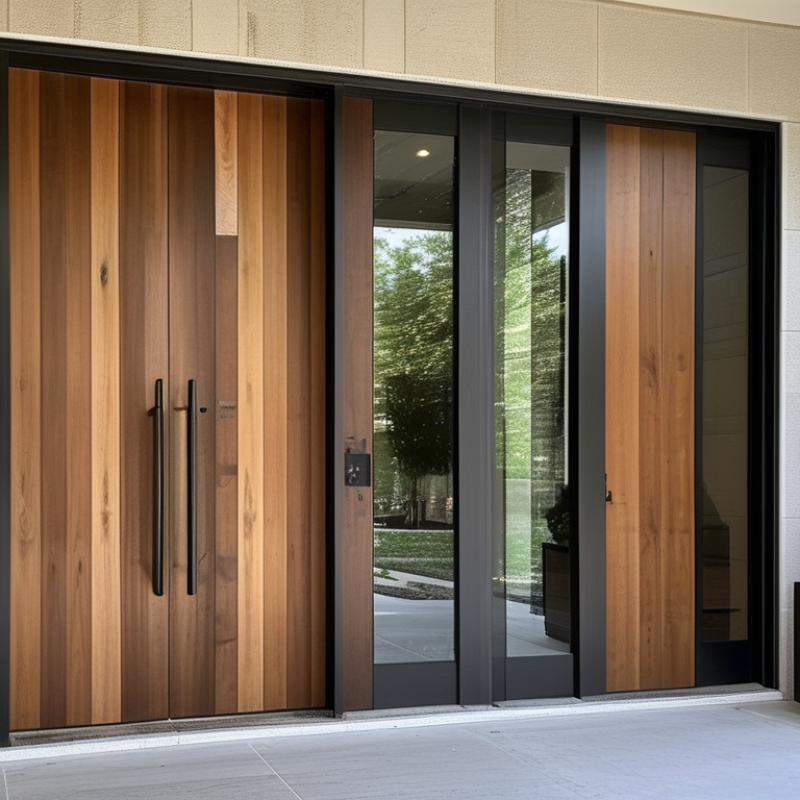
Types of Doors for Various Building Projects
When selecting doors for your building project, consider the specific needs of the space.
Different types of doors serve different functions. For instance, interior doors can significantly influence the flow and insulation of a building.
They come in various styles, including sliding, folding, and traditional hinged doors.
Each type has distinct benefits and drawbacks.
Exterior doors require more attention to security and weather resistance.
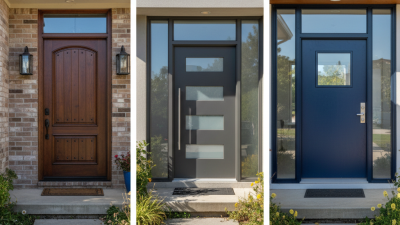
Fiberglass and steel options provide excellent durability. Wooden doors offer aesthetic appeal but may need more maintenance.
Pay attention to energy efficiency ratings, as this can impact long-term costs.
Ensure the door fits the architectural style of your building while also serving practical needs.
In commercial settings, fire-rated doors are crucial for safety.
They help contain fires and protect escape routes. In residential projects, consider soundproof doors for bedrooms or home offices.
It’s important to select materials that fit your budget and the local climate. Remember that installation quality significantly affects the door's longevity.
Balancing style, function, and cost can be challenging, making thorough research essential.
Materials Used in Door Construction
When considering door materials for building projects, numerous options are available.
Wood doors are traditional and offer natural beauty. However, they may require more maintenance.
Issues like warping and splitting can occur in extreme weather. Regular treatment is essential to preserve their appearance.
Metal doors are sturdy and secure. They withstand harsh conditions and provide excellent insulation.
However, they can be heavy and difficult to install. Corrosion can also be a concern if not properly treated.
Choosing a widely coated metal can mitigate these risks.
Fiberglass doors have gained popularity for being low maintenance.
They resist denting and can mimic the look of wood. Still, they may not have the same authentic feel.
The cost can also vary significantly, leading to budget considerations.
Each material has its pros and cons, making it crucial to weigh your options carefully.
Energy Efficiency and Insulation Considerations
When considering doors for building projects, energy efficiency plays a crucial role. Insulation is one of the key factors influencing energy conservation. Well-insulated doors can prevent heat transfer, which helps maintain stable indoor temperatures. Think about materials like fiberglass or composite options. They often provide better insulation compared to traditional wood.
The design of the door also impacts energy efficiency. Look for features like multi-pane glazing and weather stripping. These can significantly reduce air leakage. A well-fitted door minimizes drafts and improves overall comfort. Builders should be mindful of the surrounding frame as well. Gaps can lead to energy loss and increased utility bills.
While aesthetics matter, never overlook function. Sometimes, choosing a visually appealing door sacrifices energy efficiency. Consider testing the doors for R-value, which measures thermal resistance. Don't hesitate to consult experts for guidance. Their insights can lead to more informed decisions that balance beauty and performance. Remember, achieving energy efficiency is often about finding the right balance between form and function.
Aesthetic and Design Factors in Door Selection
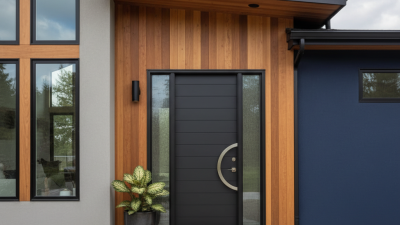
When choosing doors for building projects, aesthetic and design factors play a crucial role. The right door can significantly enhance the overall look of your space. Consider the architectural style of your building. Are you aiming for modern elegance or rustic charm? Your door should complement this vision.
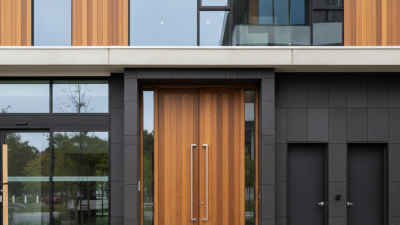
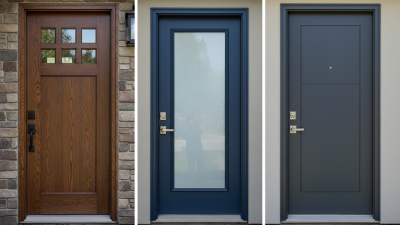
Material choice is essential. Wood offers warmth, while glass can create a sense of openness. Metal doors are durable and add a contemporary touch. Reflect on your design goals; each material conveys a different message. Remember, functionality shouldn’t be overlooked. A beautiful door must also serve its purpose well.
Tips: Match door colors with your interior palette. This creates a cohesive design flow. Pay attention to details like hardware. Unique handles can elevate a door’s appeal. Occasionally, it’s beneficial to step back and reassess your choices. Consider how your initial ideas might not fit perfectly. Embrace the evolution of your design concept; often, this leads to more satisfying results.
Best Doors for Building Projects: Aesthetic and Design Factors in Door Selection
Budgeting and Cost-Effectiveness of Door Options
When it comes to budgeting for door options in building projects, careful consideration is crucial. Doors account for approximately 10% of the total construction cost. Understanding the different types of doors available can help manage expenses effectively. For instance, hollow core doors can cost around $50 each, whereas solid wood doors may exceed $200. Such differences highlight the importance of evaluating materials and their long-term benefits.
Cost-effectiveness also involves assessing energy efficiency. According to the Department of Energy, high-quality insulated doors can save homeowners 10-20% on heating and cooling costs. Investing in energy-efficient doors initially may seem higher, yet the savings over time can be substantial. On the other hand, opting for cheaper doors might lead to inefficiencies, requiring more frequent replacements or repairs.
Quality does vary significantly across the board. Some budget doors may not withstand wear and tear, leading to hidden costs over time. Balancing initial costs with durability and energy savings is essential. In this regard, doing thorough research can lead to more informed decisions, rather than solely choosing the lowest price.