Best Exterior Door Trim Moulding Options for Your Home?
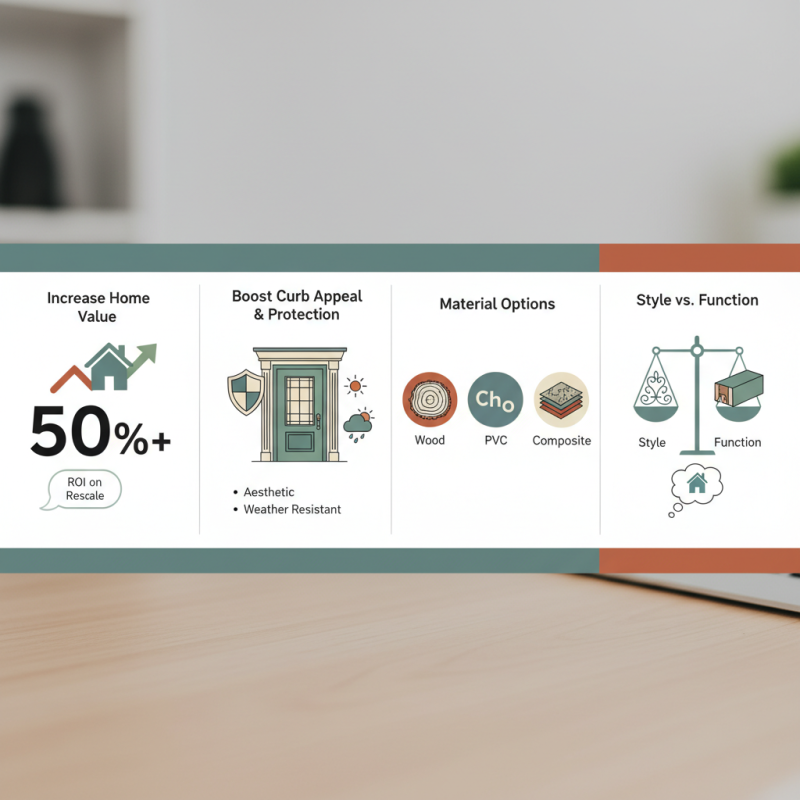
When enhancing the façade of a home, one key aspect often overlooked is the exterior door trim moulding. According to the National Association of Realtors, a well-maintained and aesthetically pleasing exterior can significantly increase a home's value. In fact, homes with detailed trim features can see a return on investment of over 50% in case of resale.
Choosing the right exterior door trim moulding not only boosts curb appeal but also helps protect your doors from weather elements. From traditional styles to modern designs, these mouldings come in various materials, including wood, PVC, and composite. Each material offers distinct advantages and disadvantages, making it essential to weigh your options carefully.
However, finding the perfect match can be challenging. Sometimes, the decision-making process reveals conflicting preferences between style and function. While you might prefer a trendy design, it could lack durability. Reflecting on these choices is crucial; remember that the right exterior door trim moulding should harmonize with your overall home design and withstand the test of time.
Top Materials for Exterior Door Trim Moulding
When choosing exterior door trim moulding, selecting the right material is crucial.
Wood is a classic choice. It provides a natural aesthetic, adding warmth to any home.
According to industry reports, nearly 40% of homeowners prefer wood for its traditional appeal.
Yet, it can be prone to rot and warping due to moisture exposure. Regular maintenance is essential with wood, making it less appealing for some.
Alternatively, synthetic materials like PVC and polyurethane are gaining popularity.
These options resist moisture and insects better than wood. They require less upkeep, which is attractive for busy homeowners.
Research shows that nearly 30% of new builds use these materials.
However, some may find synthetic trims can lack the character of real wood. This is a trade-off that homeowners must consider.
Composite materials are also making their mark. They combine wood fibers with plastic, offering durability and the look of natural wood.
About 20% of homeowners choose composites, as they resist fading and cracking.
Despite these advantages, some composites can be heavier and more challenging to work with. Each material has pros and cons,
prompting homeowners to reflect on their specific needs and preferences.
Understanding Different Styles of Exterior Door Trim
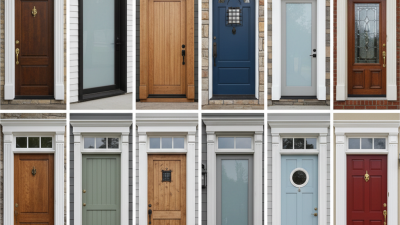
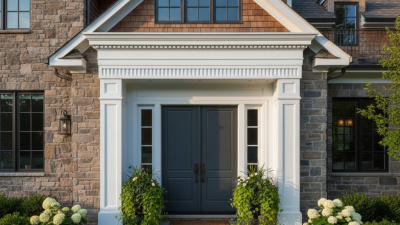
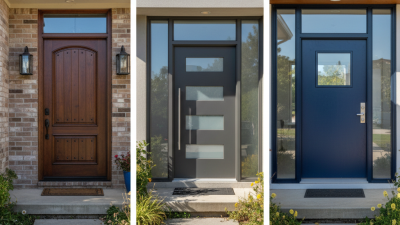
When choosing exterior door trim, style matters deeply. Various designs reflect unique aesthetics. Popular options include modern, traditional, and craftsman styles. Each option has its distinct characteristics. For example, modern trim often features clean lines and minimalistic details. In contrast, traditional styles may include ornate carvings and classical shapes. According to industry reports, homeowners often prefer designs that complement their home's architectural style.
Tips: Consider the color of the trim. Light colors make doors pop, while darker shades add elegance. Always think about material durability. Vinyl and composite trims require less maintenance compared to wood.
Another essential factor is the size of the trim. Proportion ensures balance. Too large or small makes the door appear awkward. Using a trim that frames the door correctly enhances overall curb appeal. Research shows that proper trim can increase home value. A good aesthetic first impression is vital. Make sure to reflect on your choice. Not all styles will suit every home.
Tips: Test color swatches against your door before finalizing. Consult professionals if unsure about measurements or styles. Balancing creativity and practicality yields the best results.
Essential Tools for Installing Door Trim Moulding
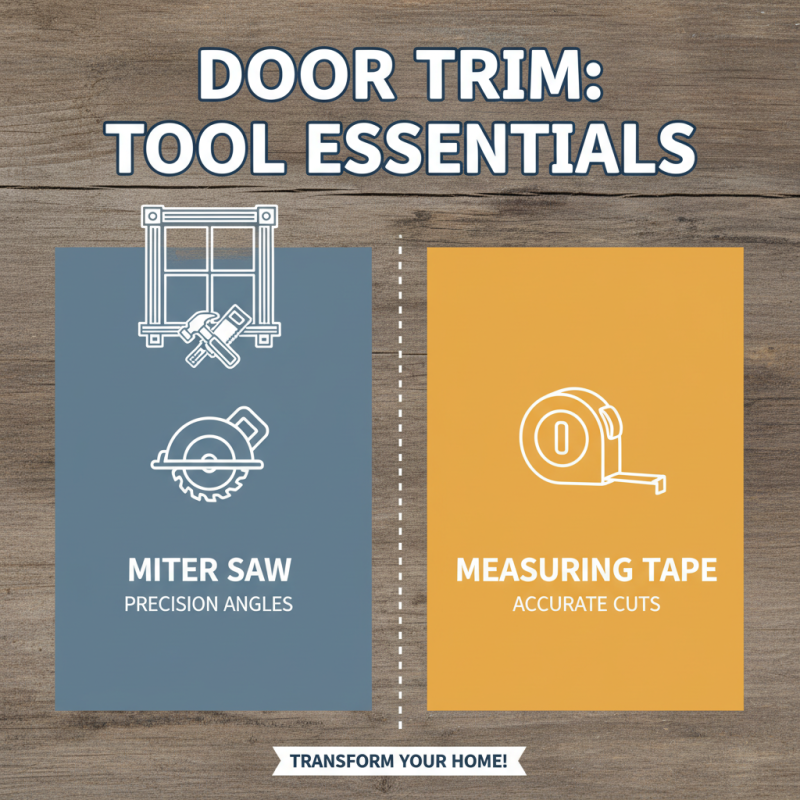
Installing door trim moulding can transform your home’s exterior. However, using the right tools is crucial for a successful project. A basic tool kit should include a miter saw for precise cuts. This is essential for angles and corners. A measuring tape is also necessary to ensure accurate measurements. Keep it handy to avoid any mistakes.
A nail gun can make the installation process quicker. It requires minimal effort and reduces the risk of damaging the trim. Some people still prefer using a hammer and nails. It can be a messy process, but it allows for more control. Also, don't forget to have wood glue on hand. This can help secure the trim in place while nails are added.
Don't overlook safety gear. Protect your eyes with goggles and wear gloves to avoid splinters. Installing door trim can be tricky. Mistakes may happen, especially with cutting. It's important to measure twice and cut once, but even then, errors can occur. Reflecting on these challenges can be valuable for future projects. Take your time and enjoy the process.
Maintenance Tips for Long-lasting Exterior Trim
Maintaining exterior trim is crucial for your home's longevity. Many homeowners overlook this aspect, leading to costly repairs. According to a recent report by the National Association of Home Builders, nearly 60% of homeowners experience issues with their trim within five years. Regular maintenance can prevent this.
One key tip is to inspect the trim annually. Look for signs of rot or peeling paint. These issues can lead to bigger problems if neglected. It's important to clean the trim regularly. Clear away dirt and debris. This simple action can prolong the life of the material. Use a mixture of soap and water for effective cleaning.
Additionally, consider reapplying paint or sealant every few years. This is especially vital in climates with drastic weather changes. Data shows homes in coastal regions need touch-ups more frequently due to moisture. Understanding your local environment can guide maintenance efforts. Trim can fade or crack over time. Ignoring these details can result in deterioration. Take the time to reflect on your home's needs and act accordingly.
Best Exterior Door Trim Moulding Options for Your Home
This chart compares the durability ratings of various exterior door trim moulding options commonly used in homes. A higher rating indicates better durability, which is essential for maintaining the integrity of your home's exterior over time.
Cost Considerations for Choosing Door Trim Moulding
Choosing the right door trim moulding for your home can be a tricky process. Cost is a significant factor to consider. There are various materials available, each with its price range. Wood, for example, provides a classic look but can get expensive quickly. On the other hand, vinyl options are often more affordable, yet they may not offer the same aesthetic charm.
When budgeting, think about installation costs. Will you hire someone, or can you do it yourself? DIY can save money but may require skills you don’t have. Measure your doors accurately to avoid waste. Sometimes, spending a little extra on quality moulding can prevent future replacements. Low-cost materials might warp or chip over time, leading to additional expenses.
Visualizing the final look is essential too. Spend time imagining how different styles will complement your home. Will the trim be intricate or simple? A detailed design may cost more upfront but could elevate your home's appeal. Reflect on your long-term needs. Will you want to change it again soon? Investing wisely now can save money later.
Best Exterior Door Trim Moulding Options for Your Home
| Material Type |
Cost per Linear Foot |
Durability |
Maintenance Level |
Aesthetic Appeal |
| Vinyl |
$2 - $4 |
High |
Low |
Moderate |
| Wood |
$3 - $8 |
Medium |
High |
High |
| Composite |
$4 - $10 |
High |
Medium |
Moderate |
| MDF |
$2 - $5 |
Medium |
High |
Low |
| Aluminum |
$7 - $15 |
Very High |
Low |
Moderate |