How to Choose the Best Building Exterior Door for Your Home
Choosing the right building exterior door is a crucial decision for homeowners, as it not only enhances the aesthetic appeal of your residence but also provides security and energy efficiency. The exterior door serves as the first line of defense against the elements and potential intruders, making it essential to select a door that aligns with both your functional needs and style preferences. With an array of materials, designs, and features available on the market, understanding the key aspects of a building exterior door can help simplify the selection process.
When evaluating your options for a building exterior door, consider factors such as material durability, insulation properties, and design compatibility with your home's architecture. Whether you prefer the classic look of wood, the low maintenance of fiberglass, or the strength of steel, each material offers unique benefits and considerations. Additionally, the right choice should reflect your personal taste while complementing the exterior design of your home, ensuring a harmonious and inviting entrance.
Ultimately, making an informed decision about your building exterior door can significantly enhance your home's appearance, security, and energy efficiency, providing peace of mind and lasting value for years to come.
Understanding the Different Types of Building Exterior Doors
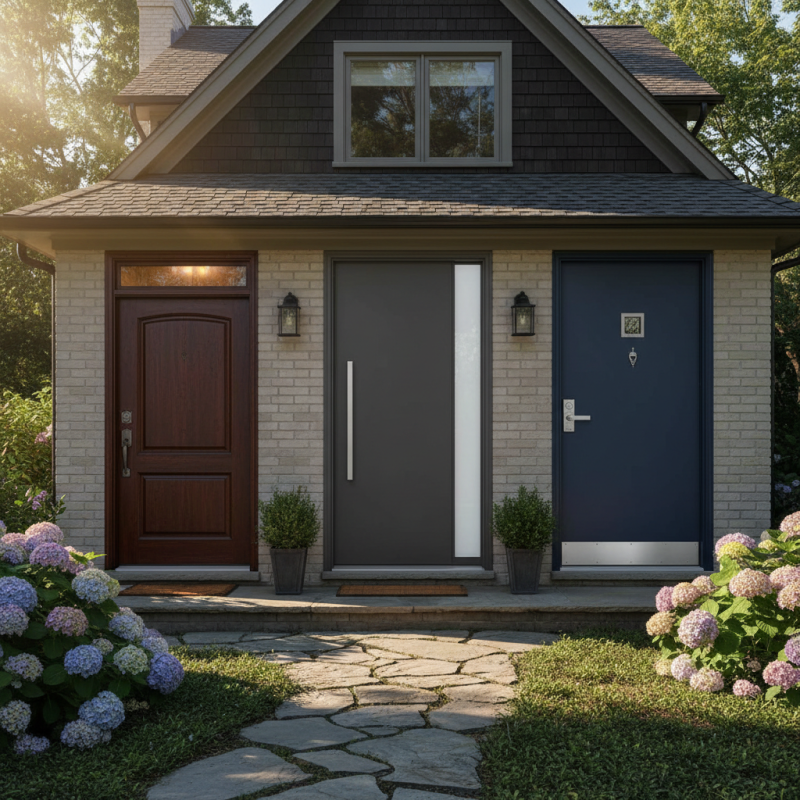
When selecting the best exterior door for your home, it’s essential to understand the different types available to make an informed decision. Exterior doors can be broadly categorized into several types: wood, fiberglass, steel, and aluminum. Each of these materials offers unique advantages and features. For instance, solid wood doors provide an elegant aesthetic and excellent insulation but may require more maintenance. Fiberglass doors, on the other hand, are highly durable and energy-efficient, making them a popular choice for homeowners looking for low maintenance solutions.
Tips: When choosing a door material, consider your local climate. For areas with extreme weather conditions, steel doors may offer the best durability against harsh elements. Conversely, if you live in a more temperate region, a wooden door can enhance your home’s curb appeal while providing sufficient insulation. Additionally, consider the security features of each type, especially if your door leads to a garage or service area.
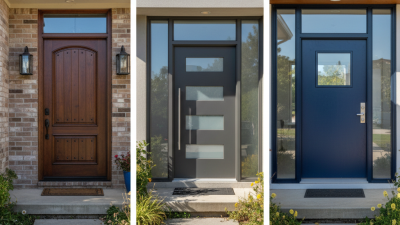
Moreover, it’s important to think about the style and design of the door in relation to your home’s architecture. From classic panel styles to modern full-glass options, ensure that your choice complements the overall look of your property. Customizable options such as colors, finishes, and hardware can further elevate the aesthetic, allowing you to create a standout entryway.
Comparison of Different Types of Building Exterior Doors
Factors to Consider When Choosing an Exterior Door
When selecting the best exterior door for your home, it is essential to consider several key factors that will impact both the functionality and aesthetics of your entryway. First and foremost, the material of the door plays a significant role in its durability and maintenance. Options such as wood, fiberglass, and steel each offer distinct benefits and drawbacks. For instance, wood doors provide a classic look and good insulation but may require more maintenance, while fiberglass doors are more resistant to weather and wear, making them a practical choice for many homeowners.
Another critical factor to keep in mind is energy efficiency. A well-insulated exterior door can help reduce energy costs by maintaining a comfortable indoor temperature. Look for doors with high energy performance ratings and features such as double or triple glazing in windows, which can enhance thermal efficiency. Additionally, security should not be overlooked during your selection process. Choose doors equipped with robust locking mechanisms and solid construction to ensure the safety of your home. By weighing these factors, you can find an exterior door that not only complements your home’s style but also meets your practical needs.
Evaluating Materials for Durability and Style
When choosing the best building exterior door for your home, evaluating the materials is crucial for ensuring both durability and style. A common choice is fiberglass, which is known for its resistance to dents, scratches, and the elements. This material not only mimics the appearance of wood but also doesn't warp or crack over time, making it a practical option for homeowners looking for beauty combined with functionality. Furthermore, fiberglass doors can be energy efficient, helping to reduce energy costs while maintaining a comfortable indoor climate.
Alternatively, steel doors offer a robust solution with excellent security features. They are often coated to prevent rust and corrosion, making them incredibly durable in various weather conditions. Steel doors can also be painted or finished to match your home’s aesthetic, allowing for customization while ensuring that the door lasts for many years. Wood doors, while classic and visually appealing, require more maintenance to prevent damage from moisture and pests. Ultimately, the choice of material will depend on balancing your home’s architectural style, climate conditions, and how much maintenance you’re willing to undertake.
Ensuring Security Features in Your Exterior Door Selection
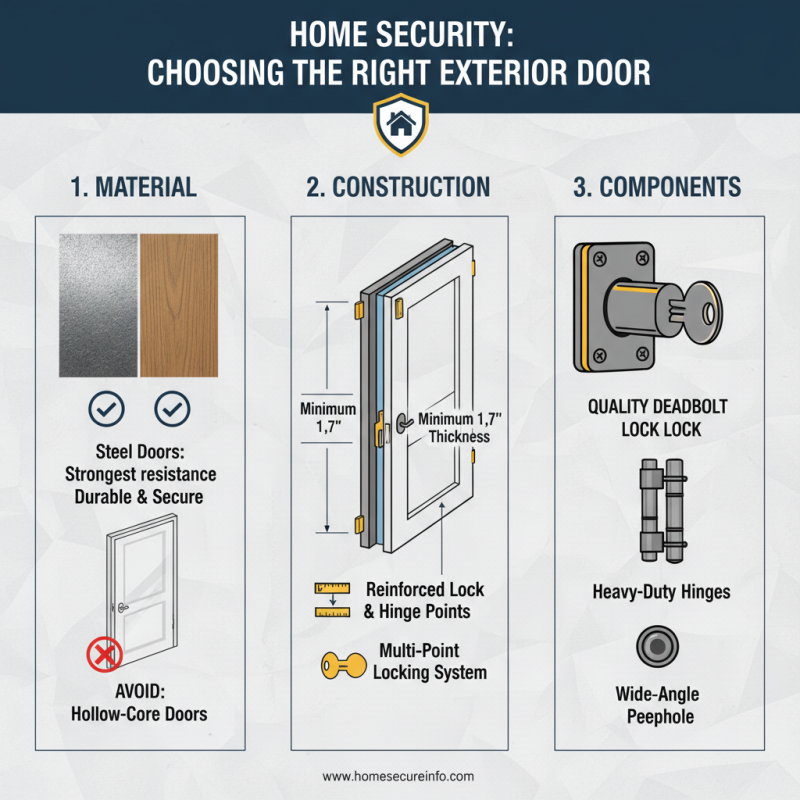
When selecting an exterior door for your home, the security features it offers should be a top priority. A sturdy door acts as the first line of defense against potential intruders. Look for doors made from solid materials such as steel or fiberglass, which provide greater resistance to forced entry compared to hollow-core options. Additionally, consider the door's construction, ensuring it has a minimum thickness and is reinforced at critical points.
Beyond material, the locking mechanisms you choose significantly enhance your home's security. Opt for deadbolt locks that are grade 1 or 2 rated for durability and reliability. Multi-point locking systems can provide extra protection by securing the door at multiple points along the frame. Furthermore, ensure that the door frame and hardware, including hinges, are equally robust, ideally featuring tamper-resistant screws. Investing in a quality exterior door with comprehensive security features will not only safeguard your home but also offer peace of mind for you and your family.
Assessing Energy Efficiency and Insulation Ratings
When selecting the best exterior door for your home, energy efficiency and insulation ratings are paramount considerations. Energy efficient doors can significantly reduce heating and cooling costs, with studies indicating that an efficient exterior door can save homeowners between 10% to 20% on their utility bills. According to the Department of Energy, doors with a National Fenestration Rating Council (NFRC) label provide valuable insights into their performance, including U-values that measure insulation effectiveness. A lower U-value indicates better insulation, which is crucial for maintaining comfortable indoor temperatures year-round.
Moreover, the choice of materials plays a critical role in the door's energy performance. For instance, fiberglass and steel doors typically provide superior insulation compared to wood doors, which can lose efficiency over time due to warping and temperature fluctuations. The American Architecture Foundation reports that well-insulated doors can have R-values ranging from 5 to 7, making them highly effective at minimizing heat transfer. Additionally, features such as weatherstripping and energy-efficient glass can further enhance insulation, helping to create a barrier against the elements. Therefore, when assessing exterior doors, homeowners should prioritize those with strong energy performance ratings to ensure comfort and savings in the long run.
How to Choose the Best Building Exterior Door for Your Home - Assessing Energy Efficiency and Insulation Ratings
| Door Type |
Material |
Energy Efficiency Rating (U-Factor) |
Insulation Rating (R-Value) |
Average Cost ($) |
| Fiberglass |
Fiberglass |
0.15 |
5.0 |
800 |
| Steel |
Steel |
0.20 |
4.0 |
600 |
| Wood |
Wood |
0.25 |
3.5 |
700 |
| Vinyl |
Vinyl |
0.18 |
4.5 |
650 |
| Aluminum |
Aluminum |
0.30 |
3.0 |
550 |