How to Choose the Best Entry Door Materials for Your Home
Choosing the right entry door materials for your home is a crucial decision that can greatly influence both the aesthetic appeal and functionality of your entrance. The front door is not only one of the first impressions visitors get of your home but also serves as a vital barrier against the elements and potential intruders. With a myriad of options available, understanding the characteristics of various entry door materials is essential in making an informed choice that suits your style, climate, and security needs.
When selecting entry door materials, homeowners must consider durability, maintenance, and insulation properties. Each material offers unique benefits, such as the elegance of wood, the strength of steel, or the resilience of fiberglass. Additionally, factors such as energy efficiency and weather resistance are paramount, as they directly impact the comfort and energy bills of your household. In this guide, we will explore the different types of entry door materials, their advantages and disadvantages, and how to select the one that best fits your home’s needs. By understanding these elements, you can enhance the beauty, security, and overall value of your property through a well-chosen entry door.
Understanding the Importance of Entry Door Materials
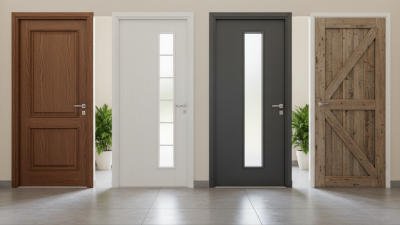
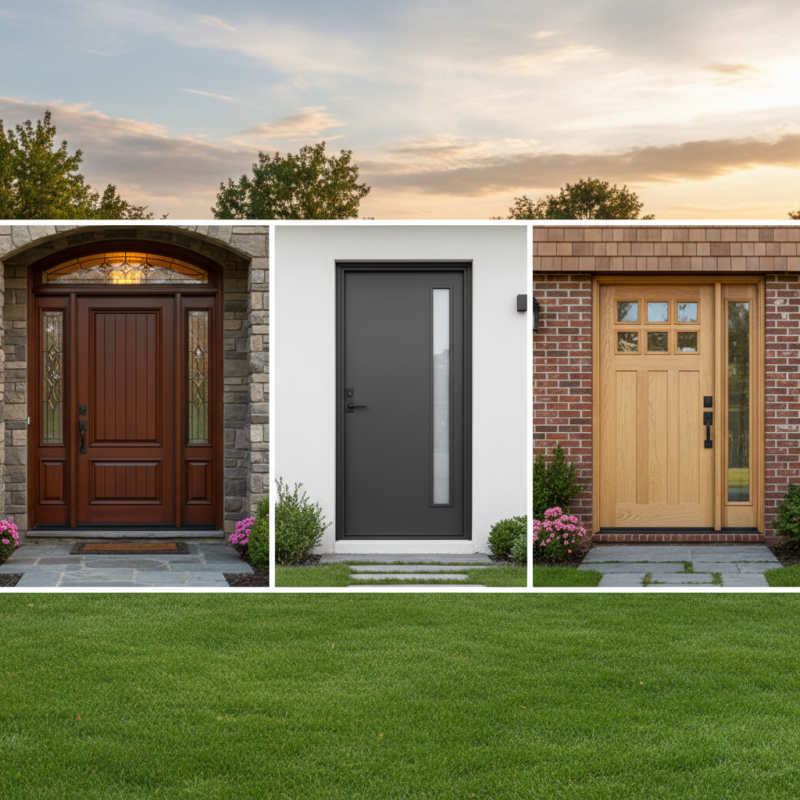
The materials used for entry doors play a crucial role in both functionality and aesthetics, making their selection a significant consideration for homeowners. High-quality materials can enhance security, improve energy efficiency, and contribute to the overall curb appeal of a home. For instance, solid wood doors offer timeless beauty and excellent insulation properties but may require more maintenance. On the other hand, fiberglass doors can provide a similar look with superior durability and lower maintenance needs, making them appealing for many homeowners.
Moreover, the choice of entry door materials also impacts the overall safety of a home. Steel doors, for instance, are renowned for their strength and resistance to forced entry, providing peace of mind to residents. Additionally, the thermal efficiency of the material can significantly affect energy consumption. Insulated doors keep indoor temperatures stable, reducing heating and cooling costs. Understanding these aspects enables homeowners to make informed decisions that align with their priorities, whether it is visual appeal, security, or energy efficiency.
How to Choose the Best Entry Door Materials for Your Home - Understanding the Importance of Entry Door Materials
| Material |
Durability |
Energy Efficiency |
Maintenance |
Cost |
| Wood |
Moderate |
Good |
High |
$$$ |
| Fiberglass |
Very High |
Excellent |
Low |
$$$ |
| Steel |
High |
Good |
Medium |
$$ |
| Aluminum |
High |
Good |
Low |
$$ |
| Vinyl |
Medium |
Good |
Low |
$ |
Popular Materials for Entry Doors: Pros and Cons
When selecting the best entry door materials for your home, it's crucial to weigh the pros and cons of popular options. One common material is wood, renowned for its natural beauty and versatility. Wood doors can be crafted in a variety of styles and finishes, making them an attractive choice for many homeowners. However, they require regular maintenance, including staining or painting, to protect against weather damage, termites, and rot. Additionally, wood can warp over time, which may affect the door's functionality and seal.
Another popular option is steel, which offers durability and security. Steel doors are typically less expensive than wood and provide excellent insulation, helping to keep your home energy efficient. They are resistant to cracking and can withstand harsh weather conditions. On the downside, steel doors can be prone to dents, and if scratched, they may be vulnerable to rust if not adequately treated. Fiberglass is a third option that combines the benefits of wood and steel. It is low-maintenance and resistant to denting and warping, while also capable of mimicking the appearance of wood. However, fiberglass can be more expensive upfront, and its insulation properties vary by manufacturer.
Entry Door Materials Comparison
Factors to Consider When Choosing Door Materials for Your Home
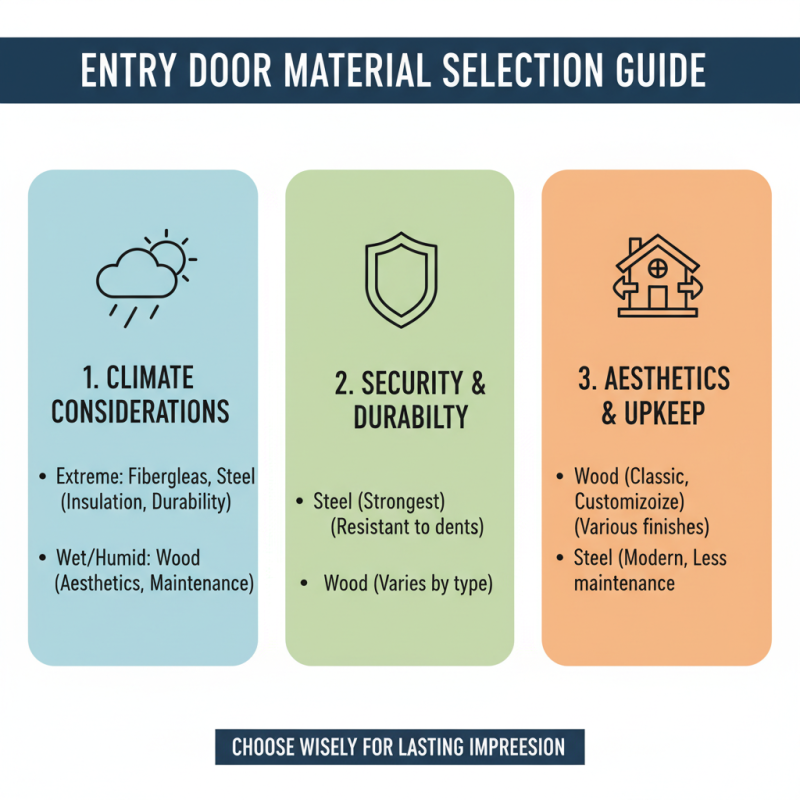
When selecting materials for your home’s entry door, several critical factors should be considered to ensure you make the best choice. First, evaluate the climate in your area. Different materials withstand varying weather conditions; for instance, fiberglass and steel doors offer excellent insulation and durability in extreme climates, while wood doors can provide aesthetic warmth but may require more maintenance in wet or humid conditions.
Another important consideration is the level of security you desire. Some materials, such as solid wood and steel, offer greater resistance to forced entry, making them ideal for homeowners who prioritize safety. Additionally, think about energy efficiency. Entry doors with good insulation properties can help maintain your home's temperature and reduce energy costs. Lastly, consider the overall style and design of your home; the door material should complement its architecture and enhance curb appeal, whether you prefer a modern, sleek look or a traditional, rustic appearance.
Energy Efficiency and Security: Key Considerations
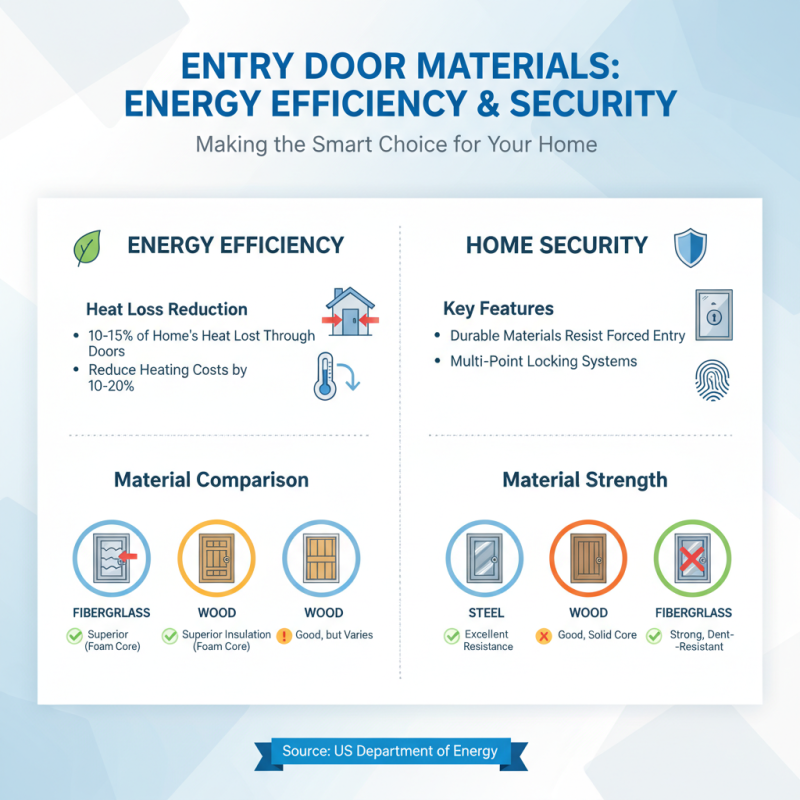
When selecting the best entry door materials for your home, two paramount considerations are energy efficiency and security. According to the U.S. Department of Energy, doors account for 10-15% of a home's heat loss during winter months, making it essential to choose materials that provide superior insulation. Fiberglass doors, for instance, can offer better energy efficiency than traditional wood or steel because they are filled with foam insulation and feature lower thermal conductivity. Furthermore, homes equipped with energy-efficient doors can reduce heating costs by 10-20%, highlighting the financial benefits of making informed decisions.
In addition to energy efficiency, security is another critical factor to consider. A report from the Bureau of Justice Statistics indicates that approximately 1 in 100 homes experiences a burglary each year, with entry points notably being the most common target. Robust materials, such as fiberglass and steel, offer enhanced resistance to forced entry compared to standard wood doors, making them a viable choice for homeowners prioritizing safety. The addition of reinforced frames, multi-point locking systems, and impact-resistant glazing can further enhance security, deterring potential intruders and providing peace of mind. As such, selecting the right entry door material can significantly contribute to both the energy efficiency and security of your home.
Maintenance and Longevity of Different Door Materials
When selecting entry door materials for your home, it’s essential to consider the maintenance needs and longevity of each option.
Wood doors exude classic charm but require regular upkeep to prevent warping and decay. They should be treated with sealants every few years and regularly inspected for signs of wear.
Tips: To enhance the lifespan of your wooden door, ensure that it is installed in a sheltered area, away from direct rain and sun exposure. For fiberglass doors, routine cleaning with soap and water will keep them looking new without the need for intensive care.
Metal doors, typically made of steel or aluminum, offer superior security but can show signs of rust if not properly maintained. Regularly checking for and addressing any scratches or dents is crucial to prevent corrosion. A good paint job will also extend the life of a metal door, protecting it from the elements.
Tips: Use a weather seal around metal doors to reduce moisture infiltration, which helps prevent rust. For all door types, regular inspection and localized maintenance will enhance performance and ensure your entry door stands the test of time.