Why Choose the Best Entry Door Trim for Your Home?
Choosing the best entry door trim for your home is crucial. The right trim can elevate the aesthetics of your entrance. It also enhances curb appeal and can influence first impressions.
Entry door trim comes in various styles and materials. Whether you prefer classic wood or modern PVC, each option offers unique benefits. Well-chosen trim not only beautifies your door but also contributes to energy efficiency. It helps seal gaps, reducing drafts and energy costs.
However, many homeowners overlook the importance of entry door trim. They may choose what is readily available instead of what best suits their home’s style. This oversight can lead to mismatched aesthetics or inefficient energy use. Investing time in selecting the perfect trim can yield significant long-term benefits.
Why Entry Door Trim Matters in Home Aesthetics and Value
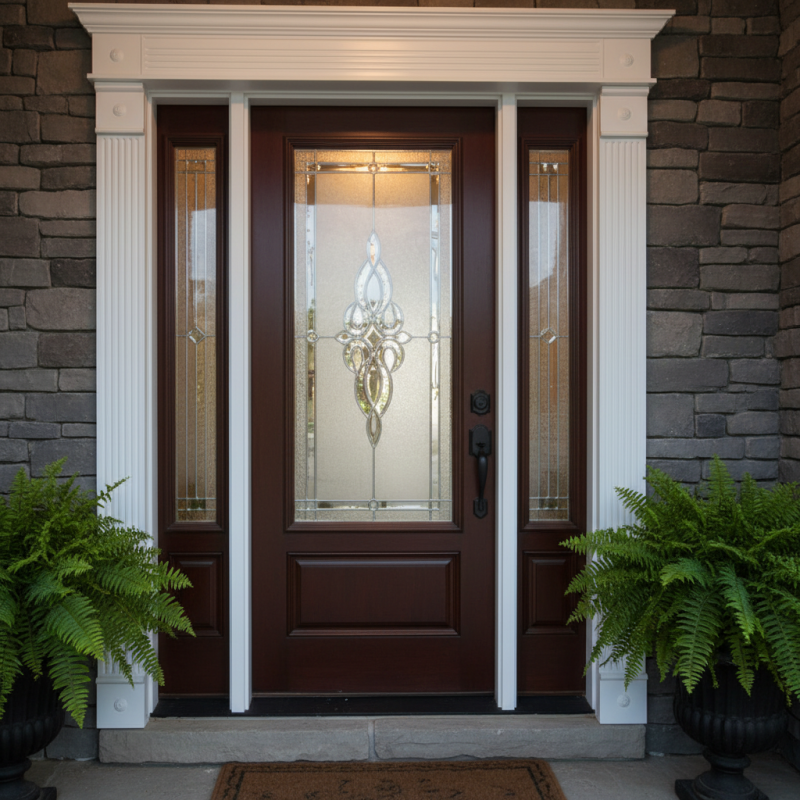
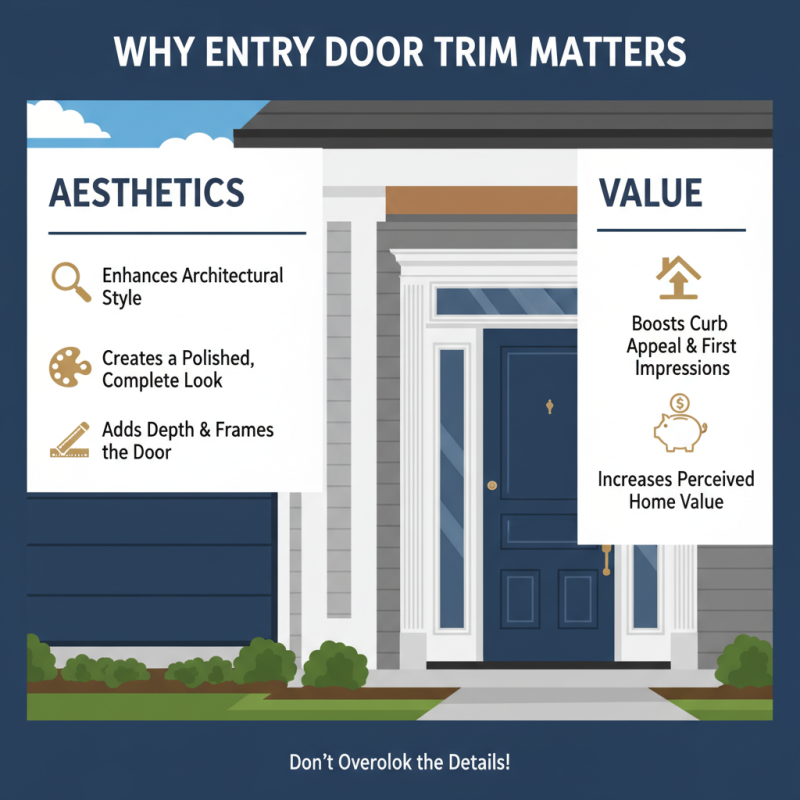
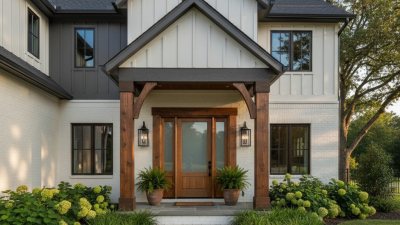
Entry door trim often gets overlooked in home design. Yet, it plays a crucial role in how a home presents itself. A well-chosen trim enhances the architectural style and creates a polished look. It frames the door and adds depth. Without it, even a stylish door can seem incomplete.
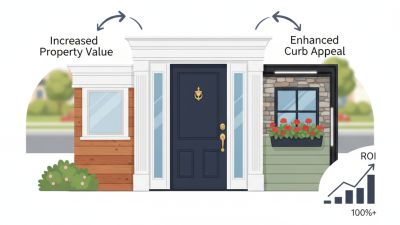
Aesthetics aside, good entry door trim affects home value. Prospective buyers notice these details. A shabby, outdated trim can be a red flag. Updating it may seem minor, but it signals care for the home. Homeowners seeking to increase their property's appeal should consider this upgrade an investment. Choosing styles that complement other elements of the home is essential. The choice represents a blend of personal style and mainstream trends.
It's important to also consider the maintenance factor. Certain materials may require regular upkeep, while others are easier to manage. Reflect on the climate and your willingness to care for it over time. Sometimes, the most attractive trims can lead to more work down the line. Balancing beauty with practicality is key in making the right decision.
Understanding the Different Materials for Entry Door Trim
Choosing the right entry door trim can significantly enhance the curb appeal of your home. When exploring options, it's essential to understand the different materials available.
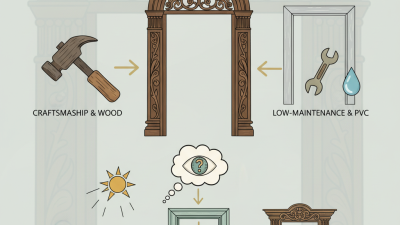
Wood is a classic choice, offering timeless beauty and warmth. It can also be customized with various stains and paints. However, wood is prone to warping and requires regular maintenance.
Vinyl is another popular material for entry door trim. It’s durable and resistant to moisture and pests. Additionally, it requires minimal upkeep. However, color options may be limited compared to wood.
Metal trim, often made of aluminum or steel, provides a sleek, modern look. It's strong and secure but can show scratches and dents easily. Each material presents unique advantages and drawbacks that deserve reflection.
Ultimately, homeowners should consider their aesthetic preferences and lifestyle needs. The choice of material affects maintenance requirements and overall appearance. Selecting the best entry door trim isn't just about looks; it should also suit your home’s environment and your personal lifestyle. Balancing beauty and practicality is key.
The Impact of Quality Trim on Home Energy Efficiency
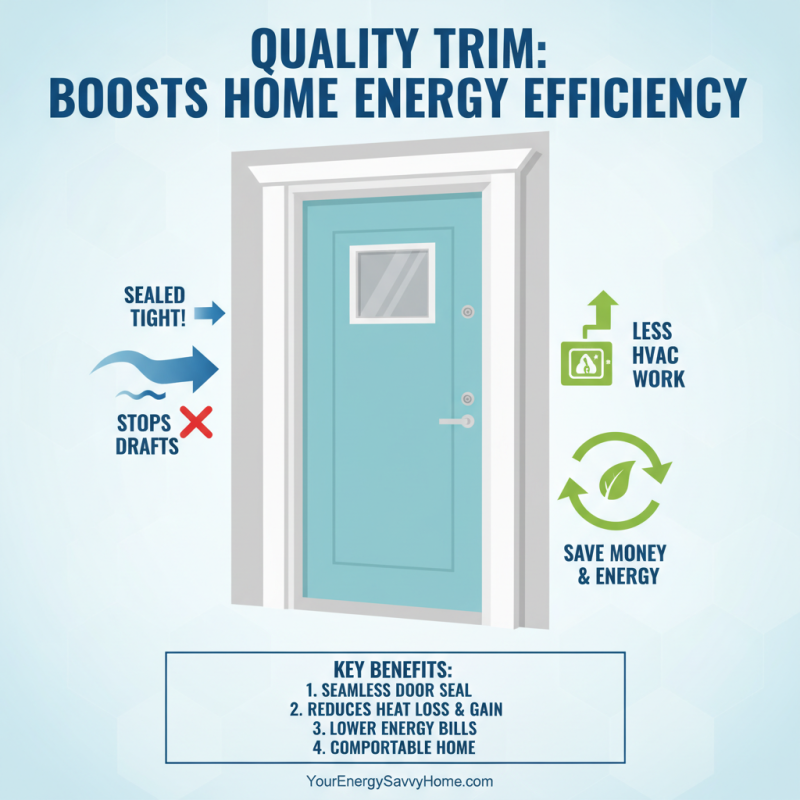
Choosing the right entry door trim can greatly influence your home's energy efficiency. Quality trim helps create a seamless seal around your door. This seal is vital for reducing drafts that lead to lost heat in winter and cool air in summer. When the seal is tight, your HVAC system works less, saving energy.
Tips for selecting efficient trim include opting for materials with good insulation properties. Look for trim that fits snugly to your door. Measure the gaps carefully before installation to ensure a perfect fit. Remember, using caulking or weather stripping can enhance the overall seal.
Additionally, consider the design. A wider trim may provide better insulation. However, it can also overwhelm smaller doors. Weighing the aesthetic against functionality is crucial. Investing time in choosing the right trim can lead to noticeable comfort and lower energy bills. Small details can have a significant impact.
Professional Recommendations: Choosing Styles and Finishes
Choosing the right trim for your entry door is crucial. It enhances curb appeal and adds character to your home. Industry reports suggest that homes with well-chosen trims can see a return on investment of up to 80% when selling. Therefore, understanding styles and finishes is essential.
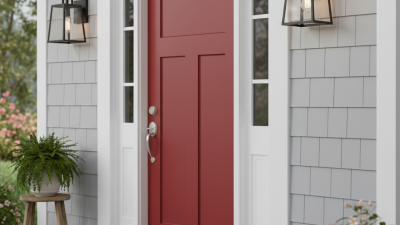
When selecting trim, consider different architectural styles. Traditional homes may benefit from ornate profiles, while modern designs often favor clean lines. A mix of materials, such as wood and metal, can create visual interest. Keep in mind that color plays a significant role. Neutral tones blend well, but a bold accent can make a statement.
Tips: Always think about maintenance when choosing finishes. Some materials require more upkeep than others. Choose durable options that suit your climate. Pay attention to textures, as they can impact the visual weight of the entry. Reflecting on your personal style can also lead to choices that may not be widely accepted.
Invest time in research. The right trim can dramatically change your home’s appearance. It’s okay to find imperfections in your choices. Sometimes, it takes several attempts to get it just right. Explore options and trust your instincts.
Cost-Benefit Analysis: Investing in High-Quality Door Trim
Investing in high-quality door trim can significantly enhance your home’s entryway appeal. According to the 2022 Remodeling Impact Report by the National Association of Realtors, 75% of homeowners reported increased satisfaction with their homes after updating their entry doors and trim. This investment can yield a substantial return. Higher quality materials typically last longer and require less maintenance, which means savings in the long run.
The cost-benefit analysis reveals convincing data. Research shows that homeowners recoup approximately 58% of their investment when upgrading entry doors, especially with aesthetic enhancements like premium trim. The visual appeal and added durability can increase home value. Quality trim also acts as a barrier, improving energy efficiency by preventing drafts. This benefit might reduce energy costs by 10% to 20%, according to the U.S. Department of Energy.
While the initial investment in top-tier trim can be daunting, it’s crucial to weigh the longevity and potential returns. You may encounter imperfections with lower-grade materials, which can chip or warp quickly. Ultimately, making an informed decision can lead to both enhanced aesthetics and increased property value. Reflecting on these factors can guide you to choose wisely for your home.
Cost-Benefit Analysis of Entry Door Trim Options