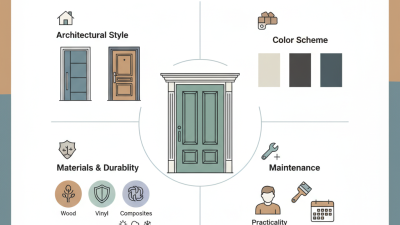
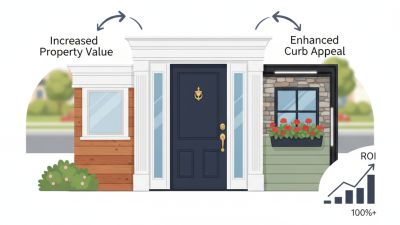
Why Choose Wood Outside Doors for Your Home Security?
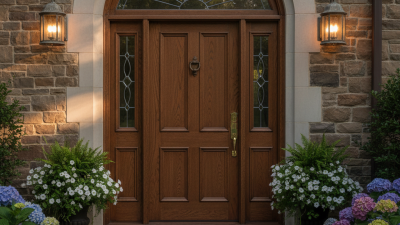
Choosing the right front door for your home is crucial for security. Wood outside doors offer unique advantages in this regard. Expert carpenter Jane Smith emphasizes, "A well-constructed wood outside door can serve as a fortress for your home." This statement highlights the strength and durability of wood doors.
Wood outside doors combine aesthetic appeal and robust security features. The natural density of hardwood makes it difficult for intruders to breach. Plus, they can be customized with additional locks and security systems. However, not all wood doors are created equal. Quality varies, and poorly made doors can compromise safety.
Consider factors like the wood type and finish. A solid oak door provides optimal security, while a thin panel door may not. Think about environmental conditions, too. Exposure to moisture can weaken materials over time. These considerations are vital when selecting a wood outside door for your home's security.
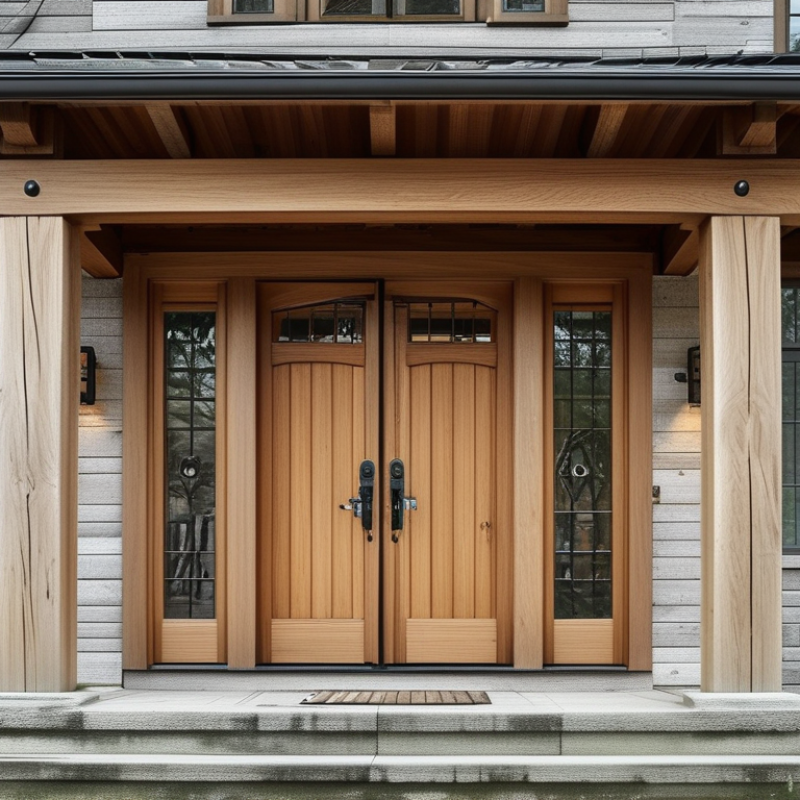
The Strength and Durability of Wood Exterior Doors in Home Security
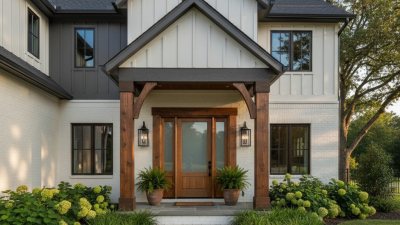
Wood exterior doors offer impressive strength and durability for home security. Unlike metal, wood has a natural resilience, making it harder for intruders to break through. High-quality wood doors can withstand significant force, increasing your home's safety. The thick layers of solid wood provide a barrier that is both aesthetically pleasing and protective.
When choosing wood doors, consider the type of wood. Hardwoods like oak and mahogany are excellent choices. They are naturally dense and resistant to wear. Proper treatment and maintenance enhance their durability even further. Regular checks for weather damage can prevent weaknesses over time.
Tips for maintaining wood doors: Apply weather stripping to seal gaps. This keeps out moisture, preventing warping. Regularly inspect hinges for security. Tight hinges ensure doors close securely. Consider a protective sealant every couple of years. This small step makes a big difference in longevity. Investing in wood exterior doors can bring both beauty and strength to your home.
Why Choose Wood Outside Doors for Your Home Security?
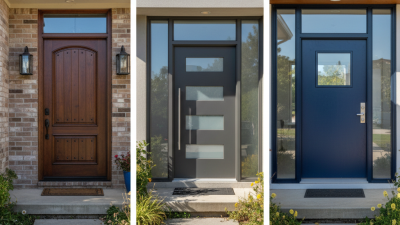
Comparative Analysis: Wood vs. Steel vs. Fiberglass Doors for Safety
Choosing the right door for your home’s security involves understanding the strengths and weaknesses of different materials. Wood, steel, and fiberglass doors each offer unique safety features. According to recent data from the Home Security Association, solid wood doors can resist impact and provide better thermal insulation than fiberglass. This insulation can help reduce heating costs while enhancing overall safety.
On the other hand, steel doors are often seen as the most secure option. They possess a higher resistance to forced entry compared to wood. A study from the National Institute of Standards and Technology indicates that steel doors have a 50% lower breach rate than wooden doors. However, they can be prone to rust and require regular maintenance. Fiberglass doors offer another alternative; they are resistant to warping and have competitive energy efficiency. Yet, they may not be as durable as wood or steel in extreme conditions.
Each door material has its drawbacks. Wooden doors can swell or shrink with humidity changes, affecting their security features. Steel doors may dent and lose aesthetic appeal over time. Fiberglass doors, while attractive, may lack the robust feel of wood. Understanding these nuances can guide homeowners in selecting the best option for their safety needs.
Energy Efficiency Benefits of Wooden Doors in Home Security Systems
When considering home security, wooden doors often emerge as a preferred option. Their structural integrity and durability can contribute significantly to energy efficiency. According to the U.S. Department of Energy, homes equipped with energy-efficient doors can reduce energy costs by up to 30%. Wood provides excellent insulation, which hampers heat transfer and helps maintain a stable indoor climate.
Wooden doors also offer impressive soundproofing, which can be an essential aspect of home security. According to the Acoustical Society of America, solid wood doors can reduce sound transmission by 20-30%. This feature not only enhances comfort but can also deter unwanted intrusions by masking sounds of activity inside the home. Of course, not all wooden doors are created equal. Quality and construction matter greatly. Homeowners should consider investing in well-made, solid wood doors for maximum effectiveness.
While wooden doors possess numerous benefits, they require maintenance. Over time, exposure to the elements can lead to wear and tear. Regular inspections and timely refinishing are necessary to uphold their longevity and performance. This maintenance aspect often gets overlooked, but it’s crucial for optimal energy efficiency and security. Ensuring your wooden doors are in excellent condition reflects a commitment to safeguarding your home.
Wood Door Maintenance: Ensuring Longevity and Security Performance
Wood doors offer aesthetic appeal while providing solid home security. Proper maintenance is crucial for ensuring their longevity and effectiveness. According to the American Wood Council, properly maintained wood doors can last over 30 years. This lifespan can decrease significantly without attention.
Regular inspections are vital. Check for signs of wear, such as cracking or peeling paint. The National Association of Home Builders recommends sealing wood doors every few years to protect against moisture and pests. Use high-quality paint or sealant to enhance durability. Wood has a natural beauty but can warp if exposed to extreme weather.
Tips for maintenance include:
- Clean doors monthly with a mild soap solution.
- Reapply a protective sealant every two to three years.
- Consider using weather stripping to prevent drafts.
Reflections on maintenance reveal that neglecting these tasks can lead to costly repairs. Many homeowners underestimate the importance of regular upkeep. Ignoring small issues can lead to larger security risks. A well-maintained wood door not only protects your home but enhances its appearance and value.
Why Choose Wood Outside Doors for Your Home Security? - Wood Door Maintenance: Ensuring Longevity and Security Performance
| Feature |
Description |
Maintenance Tips |
Security Benefits |
| Aesthetic Appeal |
Wood doors offer a warm, natural look that enhances the curb appeal of your home. |
Regularly paint or stain to protect against moisture and UV damage. |
A visually pleasing door can deter potential intruders. |
| Energy Efficiency |
Wood has natural insulating properties that help maintain indoor temperatures. |
Check seals and weather stripping annually to ensure proper insulation. |
A well-insulated door can reduce energy bills, indirectly supporting home security. |
| Variety of Styles |
Available in numerous designs, sizes, and finishes to fit any home’s design. |
Choose a door style that complements your home and enhances security features. |
Unique designs can make it harder for intruders to predict entry points. |
| Durability |
High-quality wood doors, when cared for, can last many years without significant wear. |
Regularly inspect hinges and locks; replace any damaged parts immediately. |
A durable door is less likely to be forced open and offers better protection. |
| Environmental Impact |
Sustainable wood options are available that reduce impact on forests. |
Choose products certified by environmental standards for responsible sourcing. |
Sustainable doors support eco-friendly home initiatives. |
Industry Statistics: The Impact of Door Quality on Burglary Rates
When discussing home security, door quality plays a critical role. According to the Bureau of Justice Statistics, about 66% of break-ins occur through a door. The type of door can significantly impact vulnerability. A solid wood door, for instance, can deter intruders more effectively than a hollow-core door. In fact, studies indicate that homes with reinforced doors experience a reduction in burglary attempts by nearly 50%.
Research from the Home Security Institute shows a direct correlation between door strength and the likelihood of break-ins. Properties with high-quality entry doors face fewer invasive incidents. Even the smallest details matter; features like quality locks and sturdy frames can enhance security. While wood doors may be seen as traditional, they offer remarkable resilience and defense.
Not all wood doors are created equal, though. The quality of materials and craftsmanship can vary widely, affecting performance over time. Regular maintenance is necessary to preserve their integrity. Without attention, even the best doors can weaken. Homeowners must choose wisely. Investing in a solid wood door is a step towards better security, but ongoing care cannot be overlooked.