How to Choose the Best Exterior Door Materials for Your Home
Choosing the right exterior door materials for your home is crucial. The front door serves as your home’s first impression. It also plays a key role in energy efficiency and security. Homeowners face various options, from wood to fiberglass to steel. Each material has its pros and cons, making choices feel overwhelming.
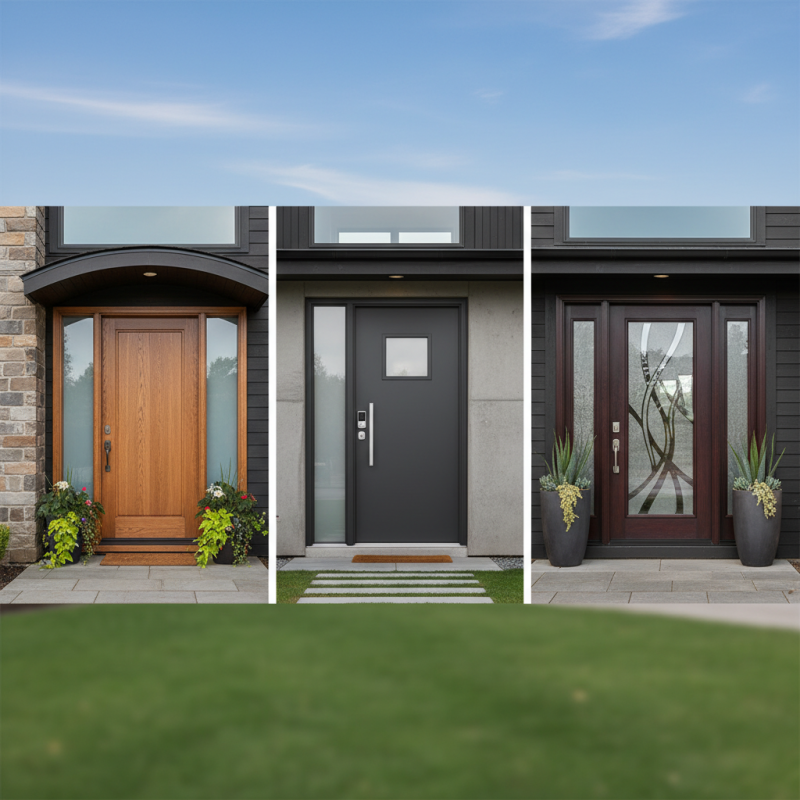
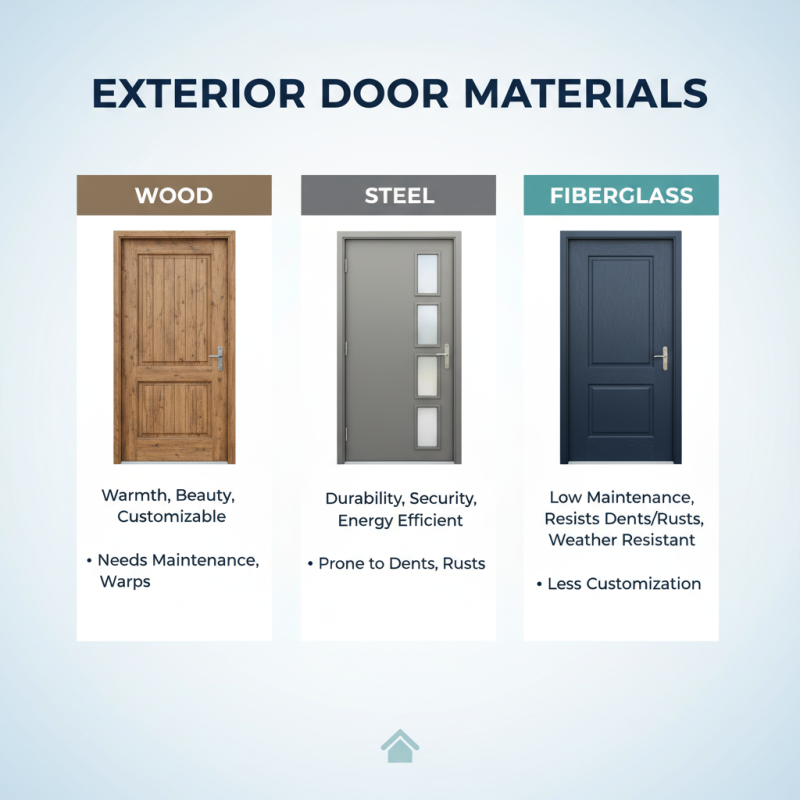
Wood doors exude warmth and charm but require regular maintenance. Steel doors offer durability and security but can be prone to dents. Fiberglass doors combine aesthetics with low upkeep. They are resistant to warping and can mimic wood’s look. However, this might lead to an identity crisis in your home’s design.
Remember that your choice of exterior door materials impacts more than just style. Consider local climate, weather conditions, and personal taste. Reflect on how often you are willing to maintain your door. A balanced decision is necessary for harmony with your home’s overall design.
Understanding Different Exterior Door Materials: An Overview
When choosing exterior door materials, it's essential to understand the options available.
Wood, fiberglass, and steel are the primary choices, each with unique characteristics.
According to a report from the NLBMDA, steel doors provide the best durability, while wood offers impressive aesthetics.
However, wooden doors require regular maintenance to prevent rot and warping.
Fiberglass doors are growing in popularity due to their resistance to dents and fading.
Tips: Consider your climate. In humid areas, fiberglass might perform better than wood.
In regions with heavy winds, strong steel doors can enhance security.
Beyond aesthetics and durability, energy efficiency plays a crucial role.
The U.S. Department of Energy highlights that an insulated door can reduce energy costs by up to 20%.
Yet, many homeowners overlook this aspect. Investing in an energy-efficient door can offer long-term savings.
Ultimately, each material has strengths and weaknesses. Assess your priorities.
Do you value aesthetics over security, or is energy efficiency your main concern?
Making the right choice involves balancing these factors carefully.
Comparative Analysis of Wood, Steel, and Fiberglass Doors
When selecting an exterior door, three popular materials stand out: wood, steel, and fiberglass. Each has unique characteristics that cater to different needs. Wood doors offer warmth and beauty. They can be customized easily, but they require regular maintenance. Exposure to moisture can cause warping.
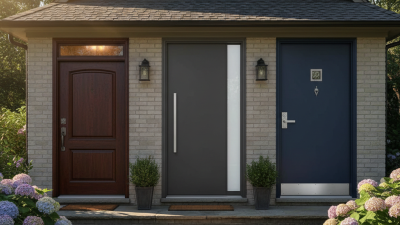
Steel doors are known for their durability and security. They resist impact and can withstand harsh weather. However, they may dent easily, and their aesthetic appeal may not match that of wood. For those looking for an attractive alternative, fiberglass doors can mimic wood's appearance. They are energy-efficient and require minimal upkeep. But they can be more expensive upfront.
**Tips:** Consider the climate in your area. This might influence your material choice. If you live in a humid area, wood may not be the best option. Also, think about how much time you can commit to maintenance. Regular care is crucial for wood. Without it, the door could lose its charm and functionality. Take your time to weigh the pros and cons. Small details matter when choosing the best door for your home.
Factors to Consider: Durability, Insulation, and Maintenance Needs
When selecting exterior door materials, three key factors stand out: durability, insulation, and maintenance.
Durability ensures that your door withstands the elements.
Wooden doors can bring warmth, but they may warp over time.
Metal doors resist dents but can rust. Consider your local weather patterns when choosing.
Insulation is critical for energy efficiency.
Composite doors offer great thermal performance, while glass versions allow more natural light.
However, they may require extra treatments to enhance insulation. It's important to strike a balance between aesthetics and functionality.
A beautiful door may look appealing but could lead to higher energy bills if it lacks proper insulation.
Maintenance needs also vary widely among materials.
Wooden doors need regular sealing and staining. Metal doors might only need occasional touch-ups.
Composite materials often have lower maintenance requirements. Yet, every option has its drawbacks.
Balancing visual appeal with practical maintenance can be challenging but necessary.
Consider all aspects carefully before making your final choice.
Cost Implications: Budgeting for Various Door Materials
When choosing exterior door materials, cost matters. Different materials come with various price tags. Solid wood doors can be stunning but are often expensive. Homeowners should consider their budget carefully. A less costly option might be fiberglass. It offers good durability and can mimic wood. This choice balances aesthetics and affordability.
Another key factor is maintenance. Some materials save money on upkeep. Steel doors, for instance, require minimal care. They resist dents and don’t warp. However, they may lack the charm of natural wood. Think about long-term costs, not just the initial price. Vinyl is another good option that’s easy on the wallet. It can handle various weather conditions.
Finally, consider energy efficiency. A well-insulated door will save on heating and cooling costs. Investing in energy-efficient materials might cost more upfront. But over time, they can pay off significantly. Reflect on your needs and lifestyle to make the best choice. Embrace the creative possibilities each material brings to your home’s exterior.
Cost Implications of Different Exterior Door Materials
Enhancing Curb Appeal: Aesthetic Choices and Design Options
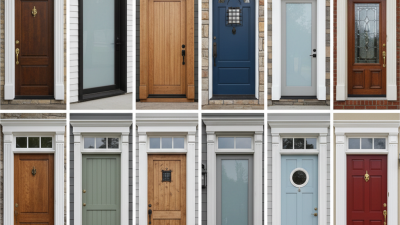
Choosing the right exterior door can significantly enhance your home's curb appeal. When considering aesthetics, think about colors that complement your home’s exterior. A bold door color can create a stunning contrast. Soft hues can be inviting and subtle.
Material also plays a role in design. Glass doors offer a modern touch, while wooden doors provide a timeless elegance. However, glass may lack privacy. Wooden doors need regular maintenance, which can be a hassle.
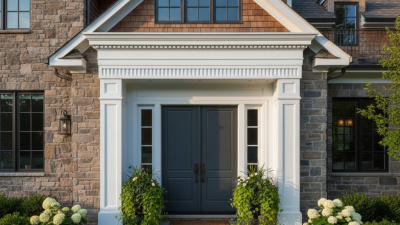
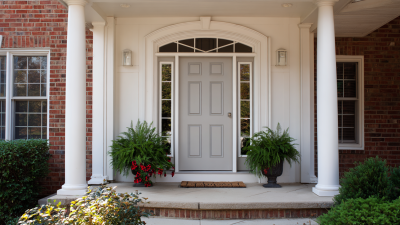
Don’t ignore architectural style. A Victorian home may call for ornate details. A minimalist design might benefit from streamlined doors. Aim for harmony, but don’t be afraid to experiment. Imperfections can make a statement. The goal is to express your personality through your door choice.