How to Choose the Best Exterior Door Trim for Your Home?
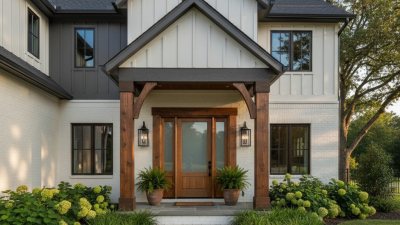
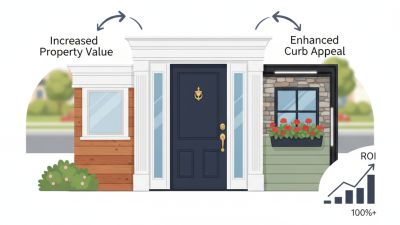
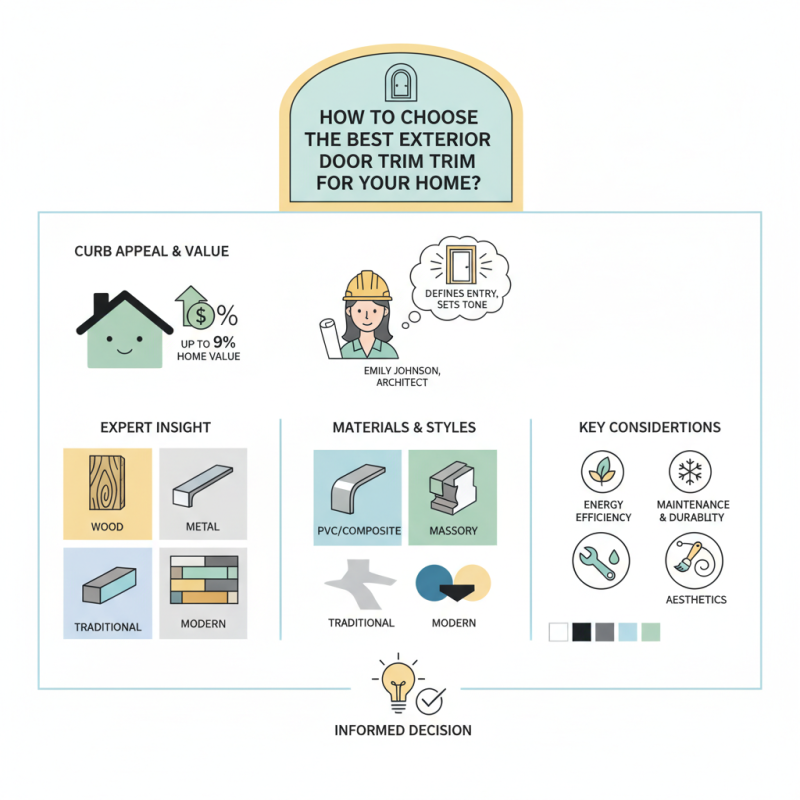
Choosing the right exterior door trim is crucial for enhancing a home’s curb appeal. According to a report by the National Association of Home Builders, high-quality exterior trim can increase a home's value by up to 9%. In this competitive market, homeowners must make informed decisions.
Expert architect Emily Johnson emphasizes, "The right exterior door trim not only defines the entryway but also sets the tone for the entire home." This underscores the importance of making thoughtful choices. Exterior door trim is available in various materials, styles, and colors, which can significantly impact the aesthetic and functional aspects of your home.
Homeowners may feel overwhelmed by the options available. It’s easy to overlook the details when selecting exterior door trim, but these choices matter. Properly chosen trim can offer both aesthetic pleasure and functional durability. Yet, many people underestimate its impact on energy efficiency and maintenance. In the end, understanding these elements can lead to a more satisfying selection process.
Understanding Different Types of Exterior Door Trim Materials
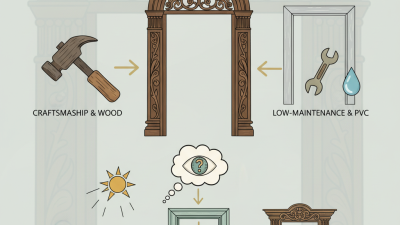
When choosing exterior door trim, it's essential to understand the material options available. Wood, vinyl, and composite are popular choices. Each material offers unique benefits and challenges. Wood provides classic beauty and warmth. It can be painted or stained to match your home. However, wood requires regular maintenance to prevent decay. In humid climates, it may warp or split over time.
Vinyl trim is a low-maintenance option. It resists moisture and insects, making it durable. However, vinyl may not have the same aesthetic appeal as wood. The color selection is often limited, which can affect your home's overall look. Composite materials blend wood and plastic, offering resistance to moisture while retaining a wood-like appearance. Yet, it might not have the same structural integrity as solid wood.
Thinking about the climate in your area is vital. Some materials perform poorly in extreme weather. For instance, vinyl can become brittle in cold temperatures. Meanwhile, wood may absorb moisture in humid conditions. Evaluating these factors is crucial for a lasting choice. Test samples wherever possible to see how materials hold up under actual conditions. Making informed decisions can save time and money in the long run.
Evaluating Aesthetic Styles of Door Trim to Match Your Home's Architecture
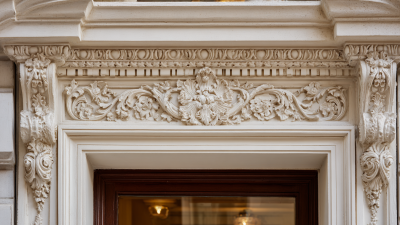
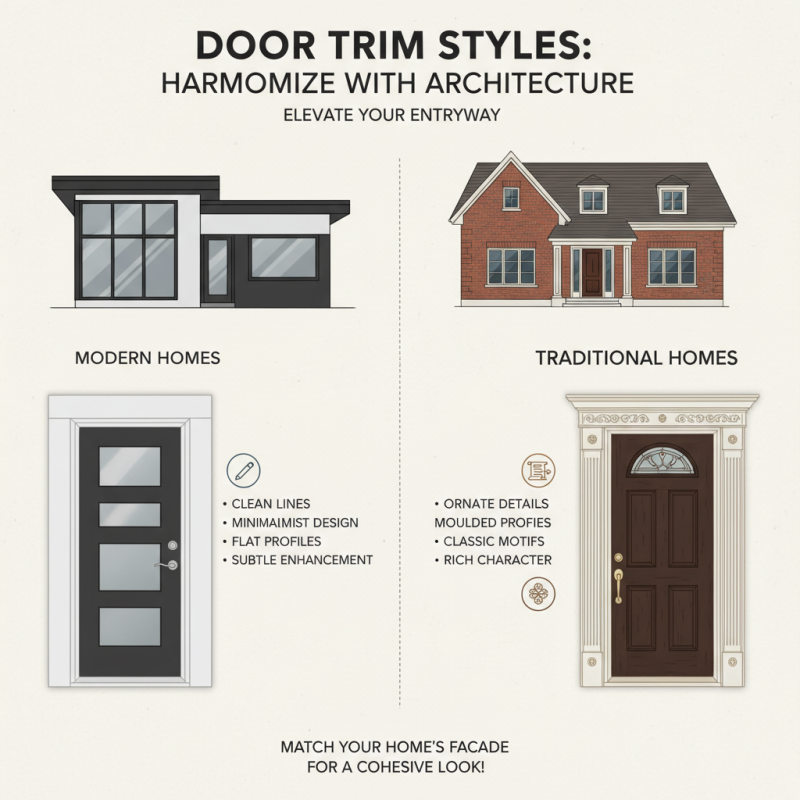
When selecting exterior door trim, consider the architecture of your home. Different styles convey distinct messages. For a modern home, clean lines and minimalistic designs work best. Traditional homes, however, benefit from ornately detailed trim. Look at your facade for harmony. The right trim can enhance your entryway significantly.
Materials matter too. Wood offers warmth and character, while vinyl provides durability with low maintenance. Think about your climate. Wood may warp in humid areas, whereas vinyl could fade in intense sun. Reflect on the longevity of your choice. Occasionally, choosing aesthetics over practicality can lead to regret.
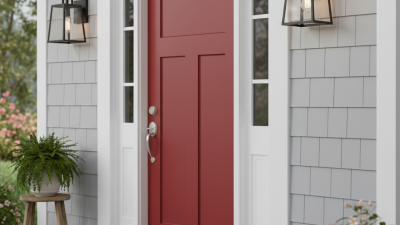
Test samples before committing. Visualize how the trim interacts with your door and surroundings. This will help you avoid mismatches. Each detail counts, even minor ones can make a big impact. Sometimes, the simplest details can elevate your home’s curb appeal. Don’t rush the decision; it's worth thoughtful consideration.
Assessing Durability and Weather Resistance of Door Trim Options
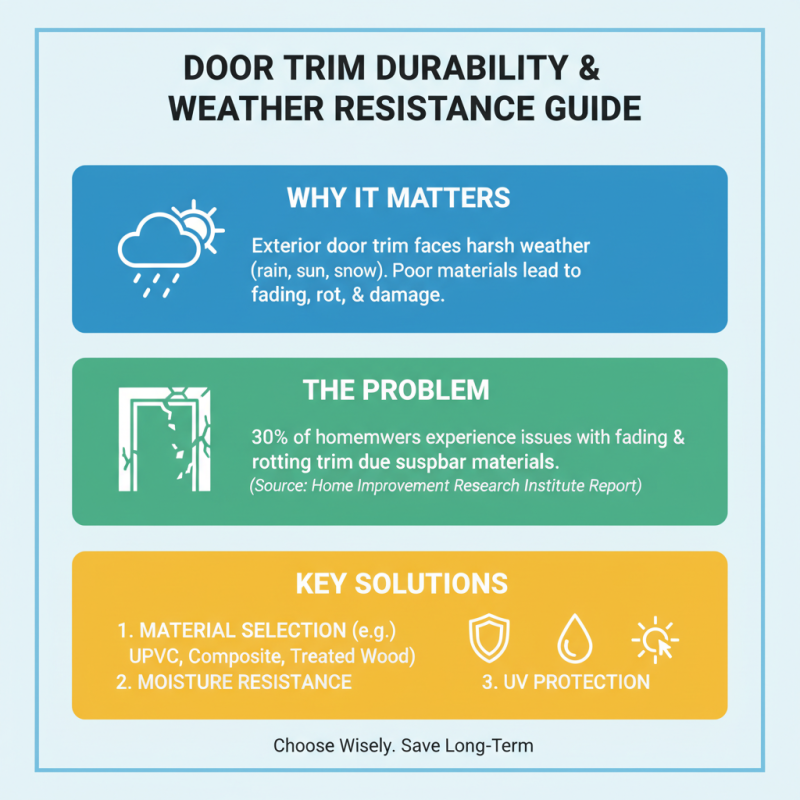
When choosing exterior door trim, evaluating durability and weather resistance is crucial. Door trims endure exposure to harsh weather, so selecting the right material can make all the difference. According to a report by the Home Improvement Research Institute, nearly 30% of homeowners face issues with fading and rotting due to subpar materials.
Wood, while aesthetically pleasing, may require regular maintenance to prevent water damage. Alternatives like fiberglass and composite materials offer superior resistance against moisture and rot. A study by the National Association of Home Builders reveals that higher durability options can last up to 50% longer than traditional wooden trims.
**Tips:** Consider the climate in your area. Hot, humid regions benefit from synthetic materials. Look for trim with a warranty, which can reflect its quality and expected lifespan. Ensure proper installation to enhance weather resistance, as poor installation can lead to significant wear over time. Even the best materials can fail if not correctly applied.
Considering Maintenance and Installation Factors for Exterior Door Trim
When selecting exterior door trim, maintenance is a crucial factor. Different materials require various levels of upkeep. Wood trim, while attractive, demands regular painting or staining. It can warp or swell when exposed to moisture. Composite options offer some advantages, but they may fade over time.
Installation is equally important. The complexity of the trim can affect the overall project. Simpler designs may be easier for DIY enthusiasts. Intricate styles can require professional help. Mistakes during installation can lead to costly repairs. Consider your skill level and available time before committing.
Additionally, take the local climate into account. In humid areas, rot-resistant materials are a must. In places with extreme temperatures, expandability and contraction should be considered. Small details can lead to big issues later. Reflect on your choice; functionality should always pair with aesthetic appeal.
Budgeting for Exterior Door Trim: Costs and Value Analysis
When budgeting for exterior door trim, homeowners should consider both costs and value. Recent industry reports indicate that high-quality trim installation can range from $300 to $1,200. This figure can significantly vary based on materials, labor, and regional pricing. Investing in durable materials like PVC or composite can provide long-term savings. These materials often require less maintenance than traditional wood trim.
Tips for budgeting: Start by measuring your door frames accurately. Understand that every bit of detail adds to project costs. Simple designs can reduce expenses, but they shouldn't sacrifice aesthetics. Consider working with a local contractor to gather estimates, ensuring that you get a clear picture of what you may spend.
In conclusion, analyze the value of your choices. Some homeowners opt for low-cost materials only to replace them after a few years. This can lead to higher costs in the long run. It's crucial to weigh short-term savings against potential future expenses. Take the time to research and invest wisely in exterior door trim that balances cost with the durability and visual appeal of your home.
Budgeting for Exterior Door Trim: Costs and Value Analysis