How to Choose the Best Outside Building Doors for Your Needs?
Choosing the right outside building doors is essential for any property owner. These doors not only provide security but also impact the overall aesthetic of a building. Weather resistance, style, and material are key factors to consider when making your choice. Various materials, such as fiberglass, steel, and wood, offer different benefits and drawbacks.
The ideal outside building doors should balance functionality and appearance. They must withstand harsh elements while fitting seamlessly into your design. Take time to understand the specifics of each option and how they align with your needs. Consult with professionals if necessary, as their insights can help steer your decision-making process.
Sometimes, it’s easy to overlook small details that can enhance your door choice. A door's energy efficiency, for example, impacts long-term costs. Reflect on your lifestyle and how your door choice can adapt to changing needs over time. With careful consideration, you will find the perfect outside building doors that meet your requirements.
Understanding Different Types of Outside Building Doors
When selecting outside building doors, understanding the variety of types available is crucial. For instance, fiberglass doors are gaining popularity due to their durability and resistance to fading and cracking. A report from the Door and Access Systems Manufacturers Association indicates that fiberglass doors can last up to 30 years with minimal maintenance. This longevity makes them a cost-effective choice for many homeowners.
Steel doors are another option, known for their strength and security features. According to industry statistics, over 60% of commercial buildings utilize steel doors to enhance safety. However, they can be prone to rust if not properly treated. This potential drawback requires careful consideration, especially in areas with high humidity.
Wood doors, while aesthetically pleasing, demand regular upkeep to maintain their appearance. They can warp or rot if exposed to moisture. A survey showed that 40% of homeowners experience issues with wood doors after a few years, emphasizing the need for regular maintenance. Making an informed decision requires weighing these factors against your specific needs and environment.
Assessing Your Needs: Functionality and Aesthetics
When selecting outside building doors, functionality and aesthetics play crucial roles. Start by assessing what your doors need to achieve. Is security a priority? Will you need to control temperature and noise? Your choice should align with these functional needs. For instance, a well-insulated door can help maintain a comfortable indoor climate. A solid door might deter intruders effectively.
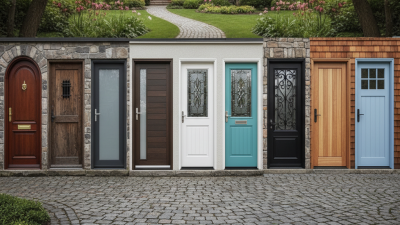
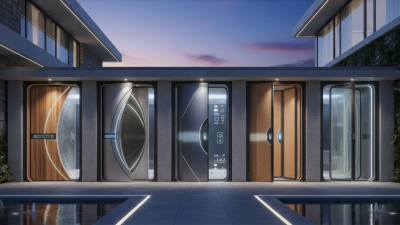
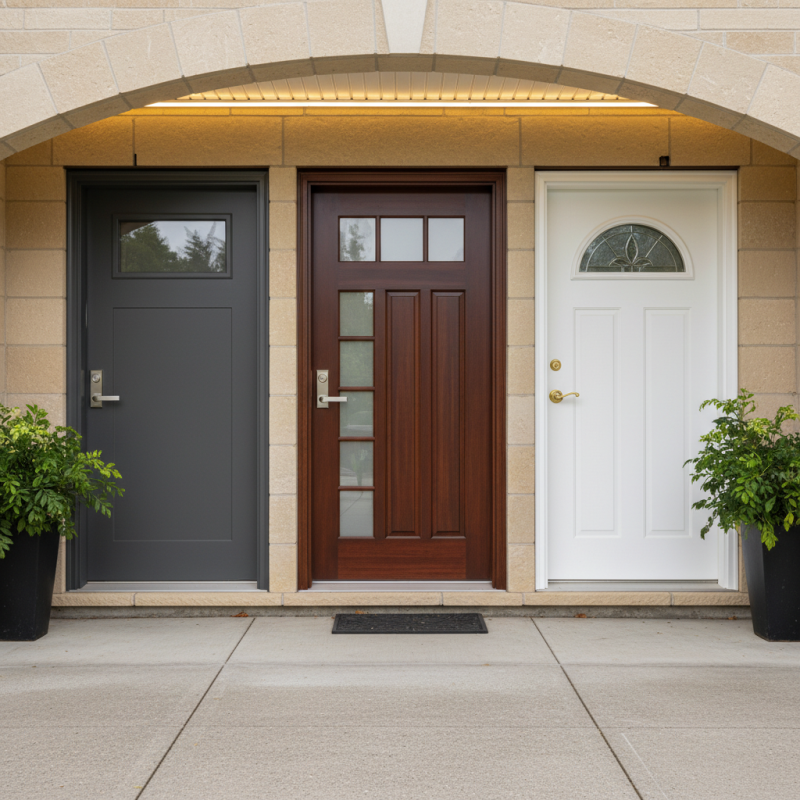
Equally important is the aesthetic factor. How do the doors complement your building’s style? Consider colors, materials, and designs that enhance curb appeal. Wooden doors can offer a rustic charm, while metal options may provide a modern touch. Balance functionality with the visual impact. Reflect on where the door sits within the overall architecture. A mismatch can detract from the elegance.
Take the time to explore various options. Visit showrooms and discuss with experts. There’s no one-size-fits-all answer. Listen to advice but weigh it against your vision and needs. Eye-catching designs might flex your creative muscles, but if they hinder practical use, they may be counterproductive.
Material Choices for Durability and Security
When selecting outside building doors, material choices are crucial for durability and security. Common options include wood, steel, fiberglass, and aluminum. Each material offers unique benefits and challenges. Wood doors provide a classic appeal but may require regular maintenance. Steel doors offer unmatched security but can rust if not properly coated.
Fiberglass doors stand out for their resistance to weather and dents. They do not warp like wood and require minimal upkeep. Aluminum is lightweight and can be designed for energy efficiency. However, it may not offer the same level of security as steel.
Consider your local climate and property needs when deciding. A door that withstands heavy rainfall may differ from one suited for dry environments. In urban areas, security is a top priority. For rural homes, aesthetics might play a larger role. Always weigh the longevity of materials against your initial budget.
How to Choose the Best Outside Building Doors for Your Needs? - Material Choices for Durability and Security
| Material |
Durability Rating |
Security Features |
Weather Resistance |
Cost Range |
| Steel |
High |
Reinforced lock systems, impact resistance |
Excellent |
$300 - $800 |
| Fiberglass |
High |
Multi-point locking system |
Excellent |
$400 - $900 |
| Wood |
Moderate |
Standard deadbolt, customizable |
Good (with treatment) |
$200 - $1000 |
| Aluminum |
Moderate |
Heavy-duty locks and frames |
Good |
$250 - $600 |
| Composite |
High |
Integrated security systems |
Excellent |
$300 - $700 |
Evaluating Energy Efficiency and Insulation Ratings
When selecting outside building doors, energy efficiency and insulation ratings are crucial. A door's insulation ability significantly impacts home energy consumption. According to the U.S. Department of Energy, up to 30% of a home’s heating and cooling energy loss is due to poor door insulation. Selecting doors with high insulation ratings can reduce energy expenses, aiding in both environmental conservation and cost savings.
Tip: Always check the Energy Star label on doors. This indicates they meet strict energy efficiency guidelines. Look for doors with a U-factor of 0.30 or lower for optimal insulation. These doors help maintain consistent indoor temperatures, enhancing comfort.
Insulation materials are equally important. Fiberglass, for example, offers better insulation than steel or wood options. A recent study showed that fiberglass doors reduce energy loss by up to 15%. While they may have a higher upfront cost, the long-term savings on energy bills are worth considering. It’s essential to balance initial expenses with potential savings.
Tip: Compare door materials and their R-value, which measures insulation effectiveness. Higher R-values mean better insulation. Don’t just focus on aesthetics; evaluate performance to ensure you make a wise investment for your needs.
Choosing the Right Size and Fit for Your Space
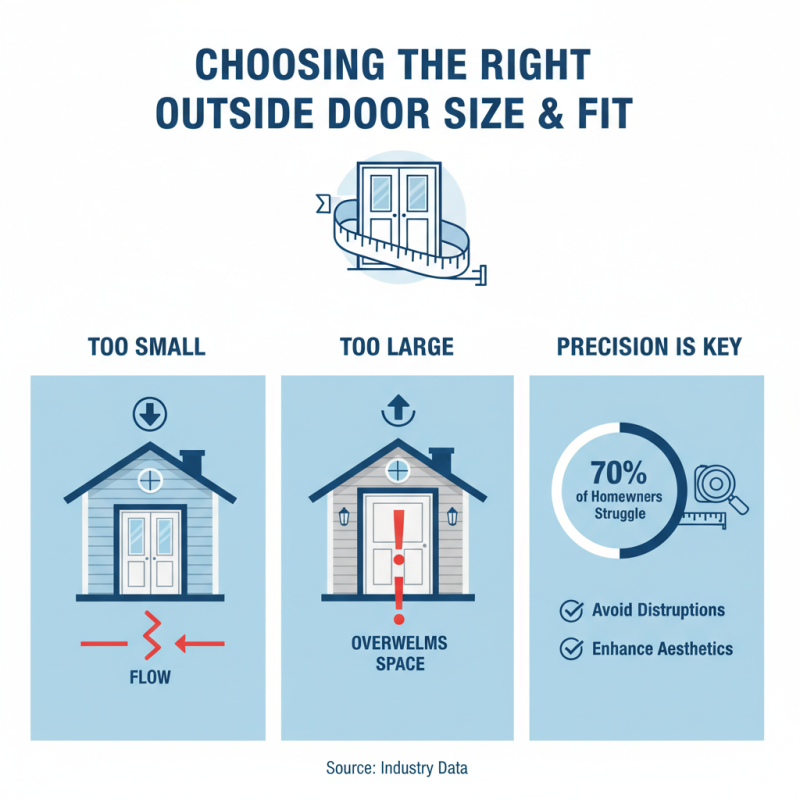
When choosing outside building doors, the size and fit are crucial. A door that’s too small can disrupt the flow of your space. Conversely, an oversized door might overwhelm a modest entryway. Industry data indicates that 70% of homeowners struggle with door sizing, emphasizing the need for precision.
Measuring is essential. The standard door height is 80 inches, but it varies for some designs. Width can range from 30 to 36 inches, affecting accessibility. If you have tight spaces, opt for narrower doors. An improperly fitted door can lead to higher energy costs due to drafts. Research shows that 25% of energy loss in homes comes from poorly sealed doors.
Consider your home's overall style too. The door should complement the architecture. Visualize how different sizes impact the aesthetics. A tall, narrow door creates elegance, while a wide door offers a bold entrance. However, striking a balance can be challenging. Many experience regret when the door’s visual balance doesn’t align with initial expectations. Keep in mind that aesthetics should not compromise functionality.