How to Choose Door Siding Trim for Your Home Renovation?
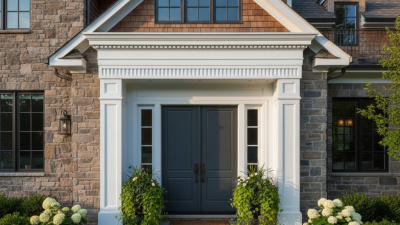
Choosing the right door siding trim is crucial for any home renovation. It goes beyond aesthetics; it's about durability and functionality. Industry reports show that 70% of homeowners consider trim materials during renovations. The right choice enhances curb appeal and increases property value. Experts agree on the importance of the proper fit.
Mark Donovan, a noted home improvement expert, emphasizes, "The door siding trim is more than just decoration; it protects your home." His insights reflect a growing trend among homeowners focusing on quality over cost. Many underestimate how trim affects energy efficiency. Poorly selected materials can lead to moisture issues and higher utility bills.
Choosing door siding trim requires thoughtful consideration. Homeowners should match materials with their home's style and climate. Not all trims are created equal. This reality often sparks regrets later. Research and expert advice can prevent costly mistakes. Take your time in selecting the best door siding trim for lasting benefits.
Understanding Different Types of Door Siding Trim Materials Available Today
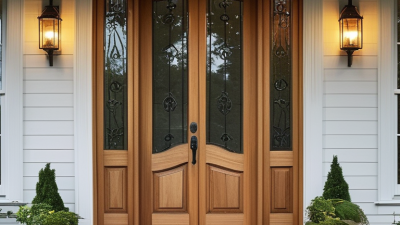
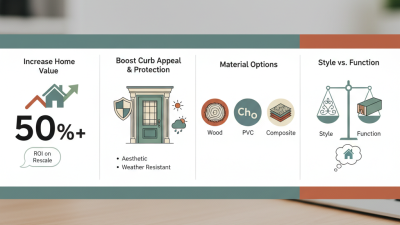
When choosing door siding trim, understanding different materials is essential. Common options include wood, vinyl, and composite. Wood offers a classic look but requires maintenance to prevent rot. Vinyl is low-maintenance and resistant to weather damage, but can fade over time. Composite combines the best of both worlds, providing durability with a wood-like appearance.
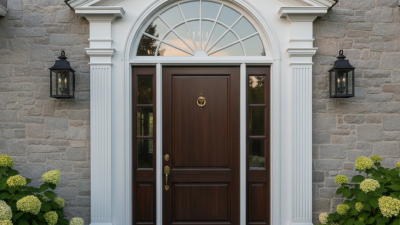
Consider the style of your home when selecting trim. For traditional homes, intricate wood details enhance curb appeal. Modern homes often favor sleek lines with vinyl or composite materials. Always account for your climate. Areas with heavy rain may benefit from waterproof options, like composite trim, to reduce future repairs.
When selecting materials, think about longevity and upkeep. Some materials may need frequent painting or sealing. Weigh the time and cost of maintenance against the initial investment. Remember, your choice reflects your home's character. Sometimes, less popular options can add unique charm. Always do thorough research on materials before making a decision.
Evaluating Aesthetic and Functional Benefits of Door Trim Options
Choosing the right door trim can transform the look of your home. Door trim not only frames your entryways but also adds personality. When evaluating your options, consider both their aesthetic appeal and functional benefits. Some trims are functional, covering gaps or providing insulation. Others enhance beauty, complementing your décor.
Different materials serve various purposes. Wood trim exudes warmth and can be painted or stained. Vinyl offers durability and low maintenance, ideal for busy households. Each material has its pros and cons. Wood can warp, while vinyl may lack character. Think about what suits your lifestyle.
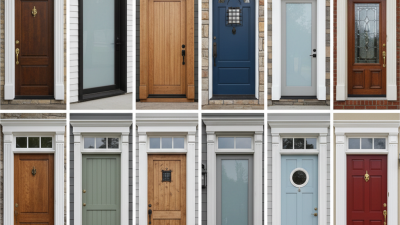
Color and style are also crucial. Light colors create an inviting feel, while darker hues lend sophistication. Consider whether the trim matches your overall aesthetic. Mixing styles might feel trendy but could lead to visual chaos. A unified look often enhances appeal. Finding the balance between beauty and function is key to making a smart choice for your home.
Assessing Durability and Maintenance Needs of Various Trim Materials
When selecting door siding trim, durability and maintenance should be top considerations. Wood trim offers a classic look but requires regular upkeep. It can rot, warp, or be attacked by pests. Regular painting or staining is essential to prolong its life. If you're opting for wood, choose species known for their durability. Cedar, for example, is a popular choice due to its natural resistance to decay.
Vinyl trim is a practical alternative. It's lightweight and resistant to moisture and insects. This material requires minimal maintenance, which makes it appealing for busy homeowners. However, its color may fade over time. Regular cleaning can help maintain its appearance. Consider checking for cracks, which might develop in extreme temperatures.
Fiberglass and composite materials are increasingly popular due to their durability. They won’t warp or rot, and require less maintenance than traditional wood. However, these options can be more expensive. It’s crucial to weigh upfront costs against long-term benefits. Each material has its own set of pros and cons, making a thoughtful choice essential for the longevity and aesthetic of your home.
How to Choose Door Siding Trim for Your Home Renovation? - Assessing Durability and Maintenance Needs of Various Trim Materials
| Trim Material |
Durability |
Maintenance Needs |
Cost Estimate (per linear foot) |
| Vinyl |
High |
Low |
$2 - $5 |
| Wood |
Medium |
High |
$3 - $10 |
| Composite |
High |
Medium |
$4 - $8 |
| Fiberglass |
Very High |
Low |
$6 - $12 |
| Metal |
High |
Medium |
$5 - $15 |
Analyzing Cost Factors for Door Siding Trim Installation and Purchase
When renovating your home, choosing door siding trim requires careful consideration of cost factors. The average cost for door trim installation varies based on materials. According to industry reports, wood trim can range from $2 to $10 per linear foot, while vinyl options typically cost between $1 to $5. These price differences can impact your budget significantly.
Labor costs also play a crucial role. Installation might add an additional $50 to $100 per hour, depending on your location and contractor expertise. Professionals suggest that homeowners expect to spend a total of 15% to 25% of their door budget on trim. However, many overlook the importance of selecting durable materials that can withstand wear.
It's worth considering the long-term implications of your choices. Inexpensive options might save money upfront but could require frequent repairs. An investment in quality trim can pay off. Research indicates that high-quality materials can reduce maintenance costs by 30% over time. Weighing these considerations carefully can help you avoid common pitfalls in the renovation process.
Incorporating Design Trends into Your Door Trim Selection Process
When selecting door trim, design trends can greatly influence your choices. Modern aesthetics often embrace minimalism, focusing on clean lines and understated elegance. This trend invites you to explore simple designs that offer sophistication without overwhelming your space. For instance, a flat-panel door trim can evoke a contemporary feel while remaining stylish.
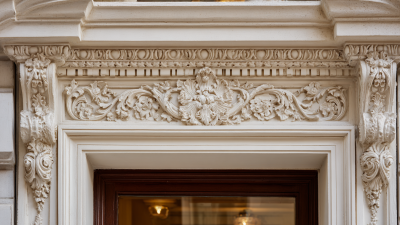
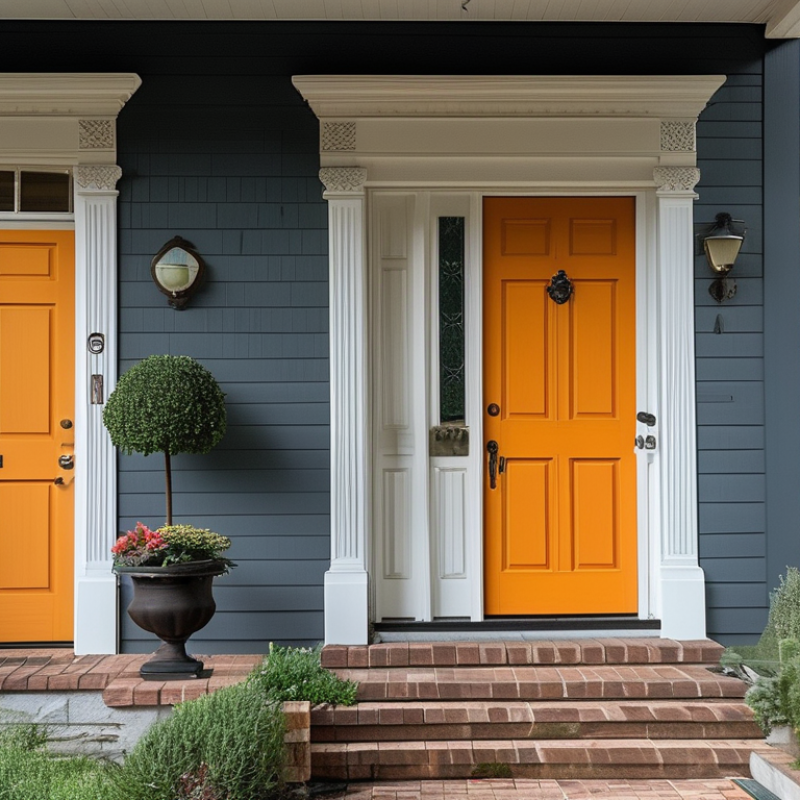
Conversely, traditional styles have made a comeback, appealing to those who appreciate timeless architecture. Crown moldings and intricate details can add character and warmth to your home. While these choices are appealing, they may also require additional maintenance, leading to potential future concerns regarding upkeep.
Sustainability is another trend worth considering. Eco-friendly materials are increasingly popular, reflecting a growing awareness of environmental impact. However, balancing design and sustainability can be challenging. You might find that a commitment to sustainable options limits your aesthetic choices. Opting for reclaimed wood or recycled materials can present unique challenges but ultimately contributes to a more responsible renovation. Embracing these design trends offers a pathway to a beautiful and functional home, yet it demands thoughtful consideration of your long-term preferences.