Blog

How to Choose the Best Outside Door for Your Home

Choosing an outside door is not just a style decision. It affects comfort, security, weather protection, and the first impression your home makes. Building-science expert Joseph Lstiburek has written about managing air and water around building openings. A practical paraphrase of that guidance—not a verbatim quotation—is: “A door must protect the opening from weather, not merely look welcoming.” That distinction matters on a rainy evening, when water gathers at the threshold or a draft slips past the frame.

Start with your climate, entry location, and daily needs. Fiberglass can resist moisture and needs relatively little upkeep. Steel often offers strength, though its finish may need attention if scratched. Wood brings warmth and character, but it needs regular care. Look closely at the sill, weatherstripping, frame, and glass—not only the door panel. Ask how the complete unit performs and how it will be installed. A well-made door can still disappoint if the frame is out of square. Small gaps matter.

The best choice balances appearance, durability, budget, and maintenance. No material wins in every home. Consider whether you need natural light, wider access, or a particular swing direction. Then compare product details and installation plans, rather than relying on a showroom display alone. I would not pretend there is one perfect answer; even a carefully chosen door may need adjustment after installation. The sections ahead explain what to assess before you buy.
How to Choose the Best Outside Door for Your Home

Identify the Door’s Purpose, Location, and Exposure

Decide what the door must do before comparing finishes. A busy front entry needs durable hardware, a secure latch, and a clear approach for parcels or muddy shoes. A rarely used side entrance may need less glass and stronger weather sealing. For a back door, check how afternoon sun, sprinklers, and damp garden paths affect the slab and sill. Small details matter. Measure the opening and note which way the door swings.

EIA’s 2020 Residential Energy Consumption Survey found space heating used about 42% of U.S. household site energy. That figure does not mean a new door will cut heating use by a set amount. It does make drafts, poor seals, and a cold threshold worth checking. NOAA’s National Centers for Environmental Information recorded 28 U.S. weather and climate disasters causing at least $1 billion each in 2023. That national total is not a forecast for your home, but it is a reminder to consider local wind, rain, and flood exposure.

Exposure changes the specification. In a windy, rain-facing spot, ask about tested water resistance, secure fastening, and compatible flashing. For strong sun, compare finishes and materials for heat and fading. A glazed panel can brighten a dark hall, though it may reduce privacy. It is tempting to choose by appearance first; I would check the sill and weatherstripping before settling on a style. Verify product ratings against your site conditions, not just the broad climate of your region.
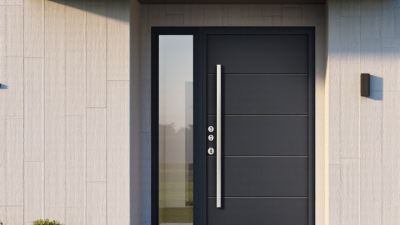
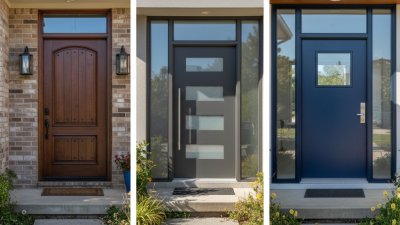
Compare Exterior Door Materials and Construction

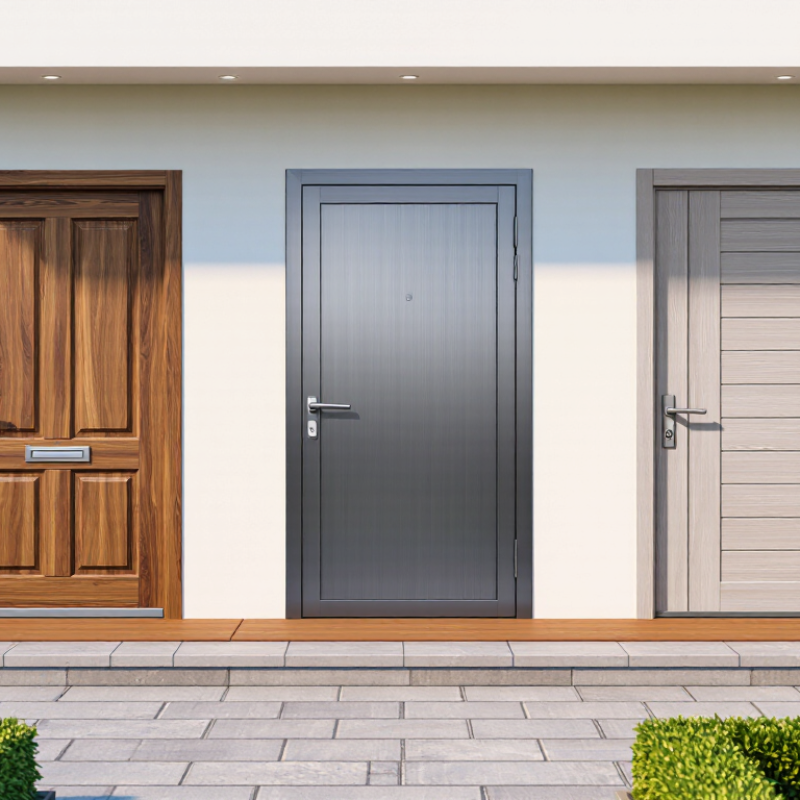
Choosing an exterior door starts with its material, but construction matters just as much. Fiberglass resists moisture and usually needs little upkeep. Textured surfaces can resemble painted or stained wood. Steel often offers strong security and an insulated core, though a deep dent or chipped finish may need prompt attention. Wood has natural warmth and can be repaired, but changing humidity can cause swelling or sticking. It asks more of you.

Look beyond the outer skin. A well-built door may have a foam-filled core, reinforced lock area, and sturdy edge construction. These details affect comfort and durability. Ask what the core contains and how the finish handles your local weather. “Solid” does not always mean solid wood. That distinction matters.

The frame and installation complete the system. Check for continuous weatherstripping, a tight threshold, and an even gap around the closed door. On a windy day, a small draft near the latch can reveal a poor seal. A premium slab can still perform badly in a twisted frame. I’d compare maintenance needs honestly, too; the lowest-upkeep option may not be the one you enjoy looking at every day. Some trade-offs remain.

Select the Door’s Size, Style, and Opening Type

Measure the existing opening before choosing a door. Record width at the top, middle, and bottom, plus height on both sides. Check the jamb depth, threshold condition, and space for trim. A few millimeters can affect fit. Also note which way the door should swing; furniture, steps, and a nearby wall can make an inward or outward opening more practical.

Choose a style that suits the home, but weigh privacy, daylight, and upkeep too. A glazed panel can brighten a dim entry, while a solid door may feel more private. Select the opening type—single, double, or sliding—based on available clearance and daily use. In the United States, the 2024 Zonda/Remodeling Cost vs. Value report estimated a 188.1% cost recoup for steel entry-door replacement, using national averages. That figure is not a promise; local prices and resale results vary.

Tips: Before ordering, compare your measurements with the manufacturer’s sizing instructions and verify the swing on site. A common planning mistake is choosing the finish first. Recheck the opening instead.

Assess Energy Efficiency, Security, and Weather Resistance

An outside door has to do more than look welcoming. It should slow heat loss, resist forced entry, and handle the weather it actually faces. Start with your climate and doorway exposure: a door under a deep porch has different demands from one hit by wind-driven rain. Compare the door’s insulation rating and ask whether it suits your local conditions. A well-insulated slab can still perform poorly if the frame leaks air. Check the weatherstripping, threshold, and fit along all four edges. Small gaps matter.

Security depends on the whole assembly, not just the door material. Look for a sturdy frame, a reinforced strike area, and a deadbolt that extends fully into the frame. A solid-core or metal door may offer more resistance than a lightweight hollow one, but installation quality matters too. For glass panels, consider their placement and how easily someone could reach the lock. Don’t judge by appearance alone. Weather resistance deserves equal attention: inspect seals, finishes, and the manufacturer’s care guidance, especially for doors exposed to strong sun or frequent rain. It is easy to focus on dramatic features and overlook a poorly fitted sill. After installation, check for drafts on a windy day; a thin ribbon near the edges can reveal movement.

How to Choose the Best Outside Door for Your Home — Assess Energy Efficiency, Security, and Weather Resistance

Door Type Energy Efficiency Security Considerations Weather Resistance Maintenance and Best Fit
Insulated fiberglass Foam-filled models can provide strong insulation. Glazing, frame construction, and weather seals affect the performance of the complete door. The door slab can be sturdy, but the lock, reinforced strike area, hinges, frame, and installation are also important. Generally resists moisture and corrosion well; quality finishes help limit fading and surface damage. Usually low maintenance. A versatile option for exposed entries and homes seeking a balance of insulation and durability.
Insulated steel A foam-insulated core can reduce heat transfer. Look for a complete-door U-factor on an NFRC label; a lower U-factor means less heat transfer. A robust slab can resist forced entry, but security still depends on the frame, deadbolt, strike plate, hinges, and correct installation. Factory finishes protect the surface, but scratches or damaged coatings may expose steel to rust, especially in damp or coastal conditions. Typically needs little upkeep beyond checking seals and repairing finish damage. A practical choice for many sheltered or moderately exposed entrances.
Solid wood Insulation varies with wood species, thickness, construction, and glazing. It may need more attention to air sealing than an insulated-core door. Solid construction can be substantial, but wood alone does not guarantee greater security; hardware and the frame remain critical. Can swell, shrink, or warp with moisture and temperature changes if not properly finished and maintained. Often requires periodic painting or staining. Suits homeowners who value natural appearance and are prepared for ongoing care.
Door with decorative glass Performance depends on the glazing type, glass area, frame, and seals. Double glazing and low-emissivity coatings can improve performance compared with basic single glazing. Glass can be a vulnerable area. Consider appropriately rated safety glazing and a design that does not make the lock easy to reach from outside. Weather performance depends on the glass unit, glazing seals, frame, and threshold; inspect seals periodically for gaps or deterioration. Offers natural light and curb appeal. Choose glazing suited to the exposure and balance daylight with privacy and heat loss.
Thermally broken aluminum A thermal break separates interior and exterior metal parts, reducing heat transfer compared with non-thermally-broken aluminum. Check the rated whole-door performance. Strength varies by design and construction. Confirm that the frame and locking hardware are suitable for a primary exterior entrance. Aluminum resists rust, though finishes and hardware can still be affected by harsh environments; installation and perimeter seals matter. Generally low maintenance. Can suit modern designs, but specify a thermally broken model where energy performance is a priority.

Selection tip: Compare the rated performance of the complete door assembly, not just the slab. Check the NFRC label where available, confirm that the unit is suitable for your climate and exposure, and have the frame, threshold, weatherstripping, and lock installed correctly. Security and weather resistance depend on the entire entry system.

Plan the Budget, Installation, and Ongoing Maintenance

A door’s price is only part of the budget. Include the frame, threshold, lockset, delivery, removal, and labor. If the opening has water damage or a soft sill, repairs can add cost. Set aside a contingency rather than spending the full budget on the door itself. A modest-looking door may still need careful fitting.

Before ordering, measure the opening and ask whether the existing frame can stay. Installation quotes should specify disposal, trim work, weather sealing, and any repairs. A well-fitted door should sit square, latch without force, and leave even gaps around its edges. Ask how the installer will handle flashing and the threshold; these details help keep wind and rain out. Compare written estimates, not just the headline price. I would not assume the lowest quote covers everything.

Plan for upkeep, too. Check the weatherstripping each season, especially near the bottom corners where drafts often show up. Clean dirt from the threshold and tighten loose hinges before the door begins to sag. For a painted or stained finish, follow the product guidance and watch for peeling or exposed wood. Small gaps matter. They can let in drafts and moisture, and repairs become harder if ignored.

Top