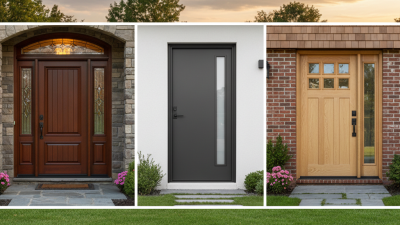
Choosing the right exterior moulding for your home is crucial. It enhances visual appeal and provides protection. A recent report from the National Association of Home Builders shows that 70% of homeowners prioritize curb appeal. This underscores the significant impact of exterior design choices.
Exterior moulding comes in various materials, styles, and sizes. Understanding these options can be overwhelming. A study by Remodeling Magazine indicated that renovating exterior features yields an average return on investment of 80%. Homeowners should weigh aesthetics against performance and maintenance needs.
Ignoring the practical aspects can lead to costly mistakes. For instance, wood moulding requires regular upkeep, while vinyl options offer low maintenance. Your choice should consider both immediate impact and long-term implications on your home’s value. Exploring these factors thoroughly will aid in selecting the best exterior moulding for your specific needs.
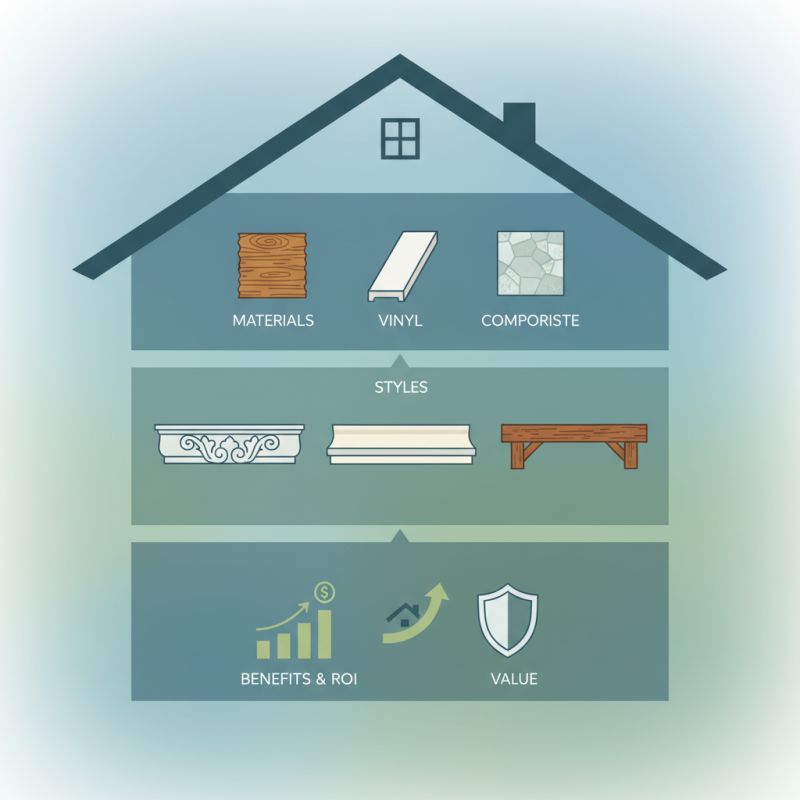
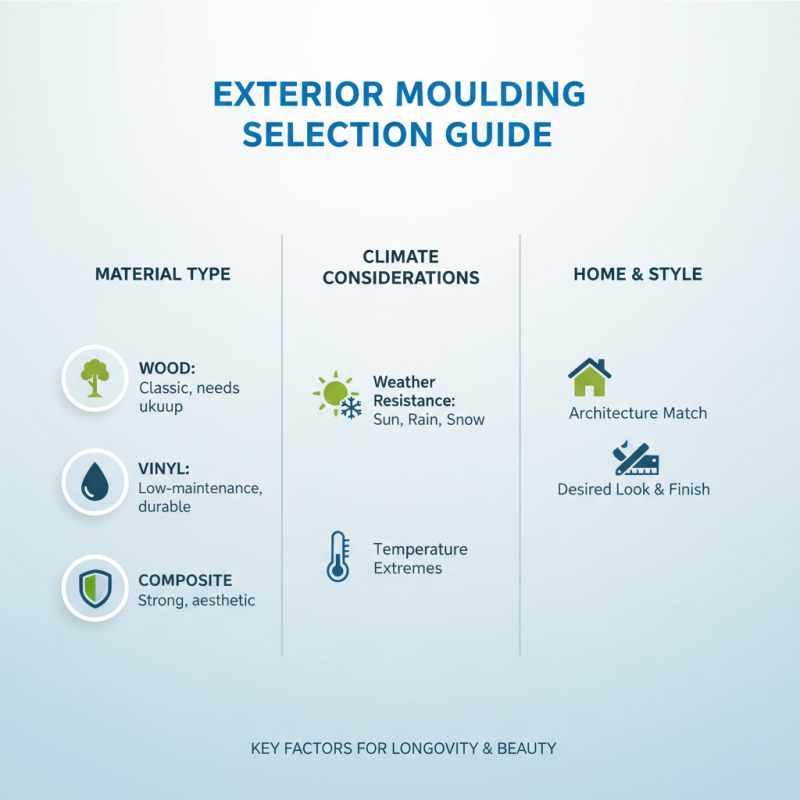
Choosing the right exterior moulding for your home involves careful consideration of several factors. The material you select is crucial. Wood offers classic beauty but requires maintenance. Vinyl is low-maintenance and durable. Composite materials combine strength and aesthetics. Think about your local climate, which can affect the lifespan of your moulding.
Tips: Consider how much time you can dedicate to upkeep. If you prefer a hands-off approach, choose materials that are easier to care for.
Next, examine the design and style of your home. Traditional homes often benefit from ornate moulding. Contemporary homes might look best with sleek, simple lines. The colour also matters. Light colours can enhance natural light, while dark tones add drama.
Tips: Look at your neighbours’ homes for inspiration, but ensure your choice feels unique to you. Balance aesthetics with functionality.
Finally, budget is a significant factor. Some materials may have a higher upfront cost but save money over time. Don’t forget to factor in installation costs, as intricate designs may require more skilled labour.
Tips: It’s wise to get multiple quotes. This can help ensure you get the best value for your investment.
When selecting exterior moulding, understanding the various types on the market is crucial. Moulding is not just an aesthetic choice; it affects your home's insulation and durability. Common materials include wood, PVC, and fiberglass. Each has distinct characteristics. Wood provides a traditional look but requires regular maintenance. PVC is low-maintenance and resistant to moisture, making it ideal for humid climates.
According to a report by the National Association of Home Builders, about 70% of homeowners prioritize longevity and durability in exterior materials. Fiberglass moulding is gaining popularity due to its resilience and customizable appearance. It's less prone to warping or cracking compared to wood and PVC. Designers often prefer fiberglass for intricate details and elegant finishes.
Choosing the right moulding can be overwhelming. A misstep might lead to unsatisfactory results, like mismatched textures or colors. Keeping up with trends is essential. New advancements in synthetic materials aim to mimic traditional aesthetics while offering superior performance. Research shows that about 40% of homeowners regret not considering energy efficiency when selecting materials. Prioritizing these aspects can enhance both value and comfort in your home.
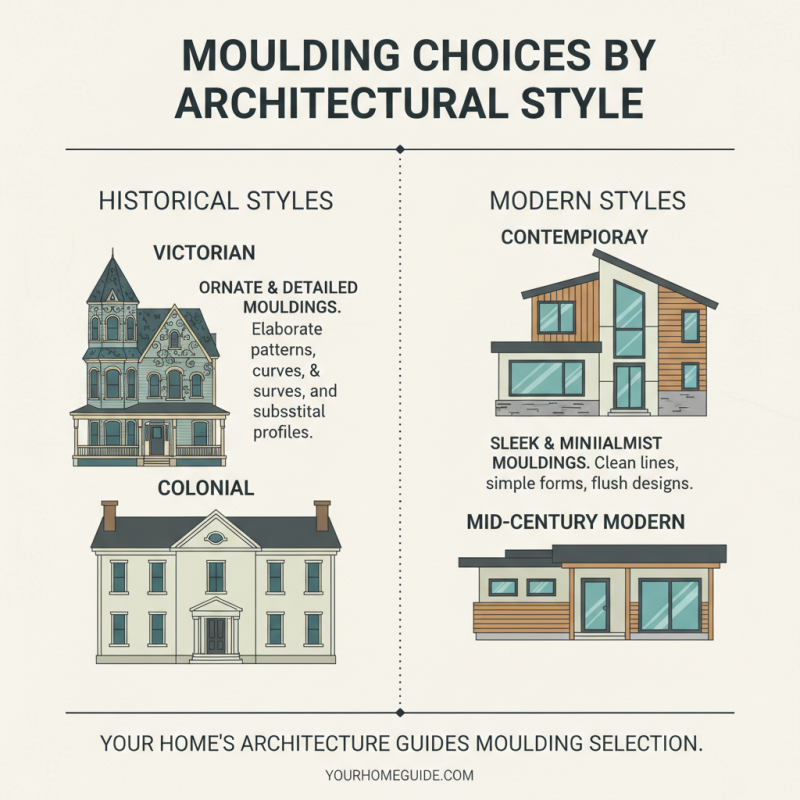
When choosing exterior moulding, it’s essential to consider your home’s architectural style. Historical styles, like Victorian or Colonial, often require detailed and ornate moulding. Conversely, modern homes may call for sleek, minimalist designs. Understanding the unique features of your home's architecture will guide you in selecting the most suitable moulding.
Take a good look at your house. Identify its defining elements—window designs, rooflines, and overall proportions. Classical homes might benefit from crown moulding, while contemporary designs could use flat boards or simple trims. Always remember that balance is critical. Moulding should enhance your home, not overwhelm it.
It’s also wise to reflect on your personal taste. Sometimes, a more playful choice could elevate your home’s character. Yet, consider if it will match the surrounding homes, especially in neighborhoods with strict guidelines. Mixing styles can create a unique look but may also lead to visual confusion. Embrace the challenge of finding the perfect moulding.
Choosing the right exterior moulding involves understanding how climate affects its durability. Different climates pose unique challenges that can diminish the performance of moulding materials over time. For instance, regions prone to heavy rainfall may require materials that resist moisture damage. Wood moulding can warp or rot under such conditions, while vinyl offers better water resistance.
In arid environments, UV exposure can degrade some materials. Certain plastics may crack, while natural woods can fade and lose their appeal. It’s essential to consider these factors when selecting moulding. Aesthetics are important, but durability should be a priority.
Not all moulding types perform well in every climate. Some homeowners might overlook this critical aspect. Regular inspections and maintenance can help recognize early signs of wear. Choosing moulding suited for your local weather conditions is vital. It can save time and money in the long run. Test various materials and seek advice from local experts for the best results.
When considering exterior moulding, cost is a major factor. The price of materials can vary significantly. For instance, wood, vinyl, and composite options each come with different price tags. On average, homeowners can expect to pay between $2 and $10 per linear foot. Installation costs will add another layer to your budget. Hiring a professional can raise the total to $20 per linear foot, depending on the complexity of the design.
Maintenance should also factor into your decision. Some materials require more upkeep than others. For example, wood may need regular painting or sealing to prevent rot. Vinyl generally demands less maintenance, making it more cost-effective in the long run. Homeowners should consider not just the initial costs but also long-term expenses. This analysis helps in making a well-informed decision that aligns with your budget and needs.
It's crucial to consult with professionals who specialize in exterior moulding. Their expertise can guide you toward the best choices for your home. Failing to account for all costs may lead to budget overruns. Investing time in research pays off in the end. Each decision should reflect not just aesthetics but also practicality and sustainability.