Why Choosing the Right Doors Materials Matters for Your Business?
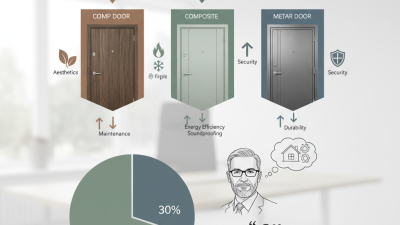
Choosing the right doors materials is critical for businesses aiming for efficiency and safety. According to a report by the Door & Hardware Institute, the right choice can enhance energy efficiency by up to 30%. This makes selecting appropriate materials not just a matter of aesthetics but a significant financial decision.
Various materials offer diverse benefits. Steel doors provide superior security, while wood doors add an element of warmth and elegance. However, using the wrong doors materials can lead to safety risks and higher maintenance costs. A survey found that 25% of businesses faced unexpected expenses due to poor material choices.
Understanding the specific requirements of your business helps in selecting the ideal options. Different environments demand different solutions. Reflecting on past choices and their implications can lead to more mindful decisions in the future. The right materials not only improve functionality but can also enhance the overall image of your brand.

Understanding Different Door Materials and Their Benefits
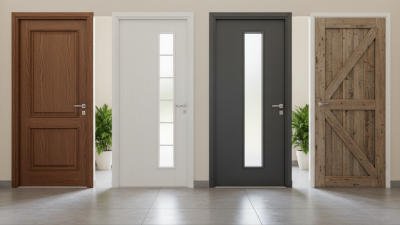
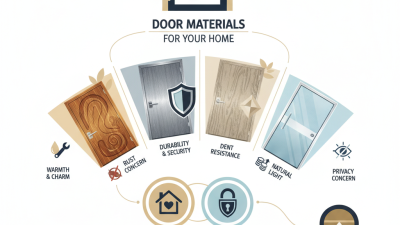
Choosing the right materials for doors can significantly impact your business. Different materials offer unique benefits. Wood doors, for example, provide warmth and aesthetic appeal. They are often chosen for entryways to create a welcoming atmosphere. However, wood can warp in humid conditions. It's essential to consider your location's climate.
Metal doors are known for their durability and security. They withstand harsh weather and resist wear and tear. Many businesses use steel doors for high-traffic areas. Yet, these can be less energy-efficient and may require regular maintenance. It’s important to balance aesthetics and function.
Fiberglass doors combine the best of both worlds. They mimic the look of wood while being resistant to dents and moisture. However, they can be more expensive initially. Evaluating the long-term benefits against the upfront costs is crucial. Each material has its strengths and drawbacks. Prioritizing your needs will lead to the best choice for your business.
Impact of Door Materials on Business Security and Safety
Choosing the right door materials is essential for
business security and safety. Doors serve as the first line of defense against unauthorized access. They play a critical role in protecting your assets, employees, and customers. If you opt for low-quality materials, you may compromise your security. A flimsy door is an open invitation for intruders.
Different materials offer various levels of security. Steel doors, for example, provide superior strength. They are resistant to impact and can deter break-ins. Wood doors, while attractive, may not offer the same resilient protection. Consider your surroundings and the type of business you operate. This choice can significantly influence your overall security posture.
Tips: Install deadbolts in addition to standard locks for added protection. Regularly inspect your doors for signs of wear and tear. Upgrading your door materials can save you from costly repairs later. It’s worth investing time to reflect on what your business truly needs for safety.
Cost Considerations in Selecting Door Materials for Businesses
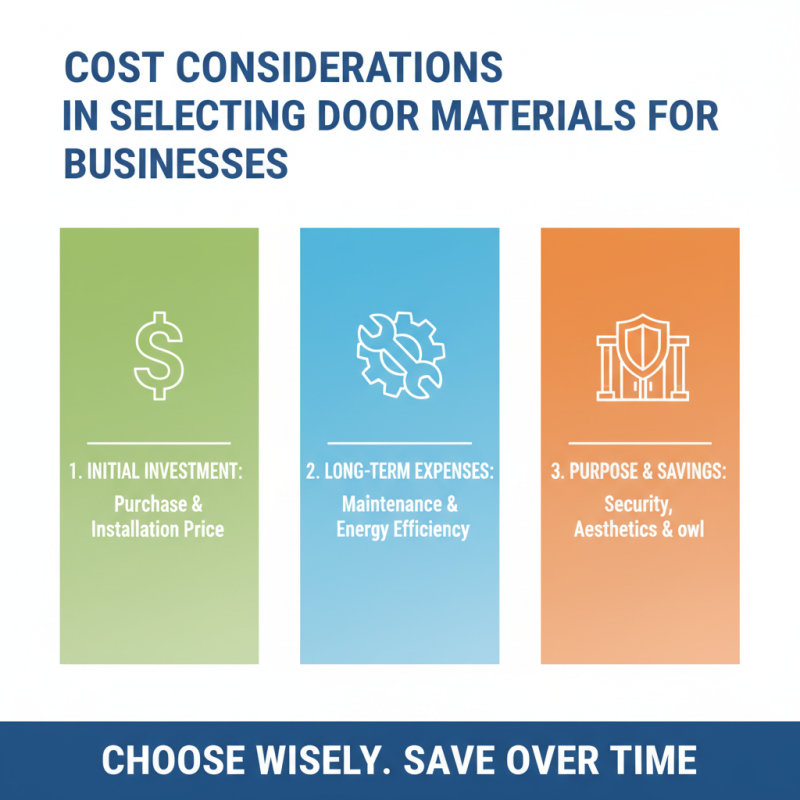
Selecting the right door materials for your business impacts both functionality and costs. The initial investment is just one part of the equation. Long-term expenses, such as maintenance and energy efficiency, should also be considered. Every door serves a unique purpose, from security to aesthetics. Choosing wisely can lead to substantial savings over time.
When considering materials, think about durability. Steel doors often withstand harsh conditions, while wood offers warmth and style. However, wood requires more maintenance, potentially increasing costs. Weighing these factors can guide you to a more cost-effective solution.
Tip: Always request samples. This helps in evaluating the material's real performance and appearance. Matching the door’s style with your brand image can create a cohesive look, attracting more clients.
Balancing cost and quality is challenging. The cheapest option may not always deliver the best value. Investing in high-quality materials can reduce the need for frequent replacements. Think about how much a door will need repairs or how often it will be used.
Aesthetic Appeal: Enhancing Brand Image through Door Choices
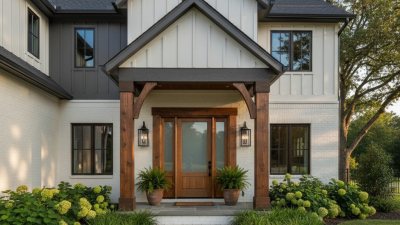
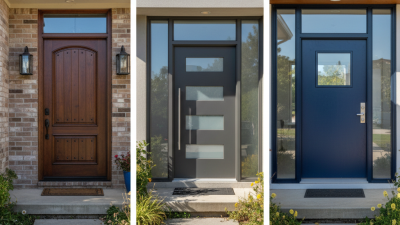
Choosing the right door materials is crucial for your business image. Well-chosen doors can enhance the aesthetic appeal of your establishment. They speak volumes about your brand’s identity. Whether it’s wood, glass, or metal, each material conveys a unique message. For example, wood gives warmth, while glass exudes modernity. Your visitors will notice these details.
Consider how the door fits your brand style. An elegant wooden door might suit a boutique, while a sleek glass door works for tech firms. Make sure the materials align with your overall design. This harmony attracts customers and builds trust. A mismatch can create a confusing impression.
Here are some tips:
- Reflect on your brand’s personality before selecting door materials.
- Test various materials in your space. Visualize how they interact with the overall design.
- Consider maintenance needs. Some materials may require more care than others.
Remember, the right choice can elevate your business's profile. Be mindful of how your door selection influences customer perceptions. This attention to detail can differentiate you in a crowded market.
Why Choosing the Right Doors Materials Matters for Your Business? - Aesthetic Appeal: Enhancing Brand Image through Door Choices
| Material |
Aesthetic Appeal |
Durability |
Cost |
Energy Efficiency |
| Wood |
High-end, natural look |
Moderate |
$$$ |
Good |
| Steel |
Modern and sleek |
High |
$$ |
Low |
| Fiberglass |
Versatile and customizable |
High |
$$ |
Very good |
| PVC |
Affordable with various finishes |
Moderate |
$ |
Moderate |
| Aluminum |
Contemporary and light |
High |
$$ |
Good |
Sustainability and Environmental Impact of Door Materials Choices
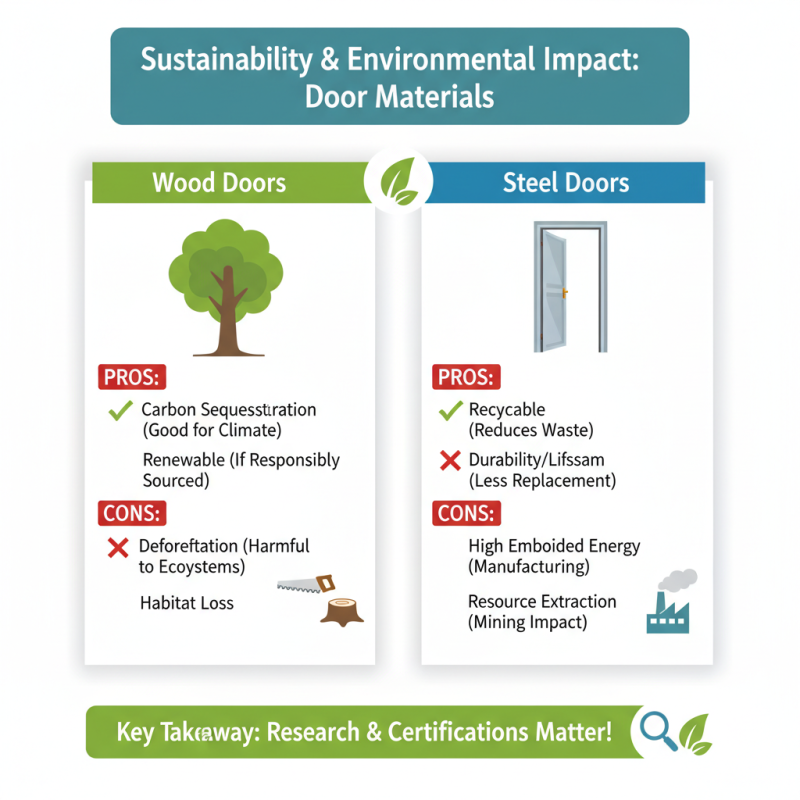
Choosing the right door materials can significantly impact your business’s sustainability efforts. The environmental footprint of door materials often goes unnoticed. For example, wood doors, if sourced responsibly, can be a sustainable option. They sequester carbon, reducing overall greenhouse gas emissions. However, poor sourcing can lead to deforestation, harming ecosystems. This duality makes careful selection crucial.
Metal doors, while durable, often require energy-intensive production. Their recycling potential is high, yet the initial environmental impact can be steep. Business owners should assess the lifecycle of their door materials. Are they choosing options that lower emissions during production? Or are they fueling environmental degradation with cheap, unsustainable choices?
Tips for choosing sustainable door materials include researching certifications for wood sources. Look for options with low-VOC finishes to enhance indoor air quality. Evaluate the energy efficiency of manufacturing processes. Consider the recycling potential of materials at the end of their life. Making informed choices can lead to a healthier planet and a stronger business reputation.