What is an Entry Door? Types, Features, and Benefits Explained
An entry door serves as the primary entrance to a home, setting the tone for both functionality and aesthetic appeal. According to the National Association of Home Builders, approximately 60% of homeowners consider the front door as an essential element of curb appeal, influencing the overall perception of the property. The importance of an entry door extends beyond mere aesthetics; it plays a crucial role in energy efficiency and security. Recent studies by the U.S. Department of Energy indicate that upgrading to an energy-efficient entry door can reduce heating and cooling loss by up to 25%, highlighting its impact on home comfort and utility bills.
The market for entry doors is diverse, with various types and materials available to cater to different needs and preferences. From traditional wood doors to modern fiberglass options, each type offers unique features that enhance security and durability. The 2023 Remodeling Impact Report by the National Association of Realtors shows that entry door replacements consistently rank among the top home improvement projects for return on investment, demonstrating the long-term benefits of choosing the right entry door. This article will delve into the types, features, and benefits of entry doors, providing insights that will help homeowners make informed decisions for their residences.
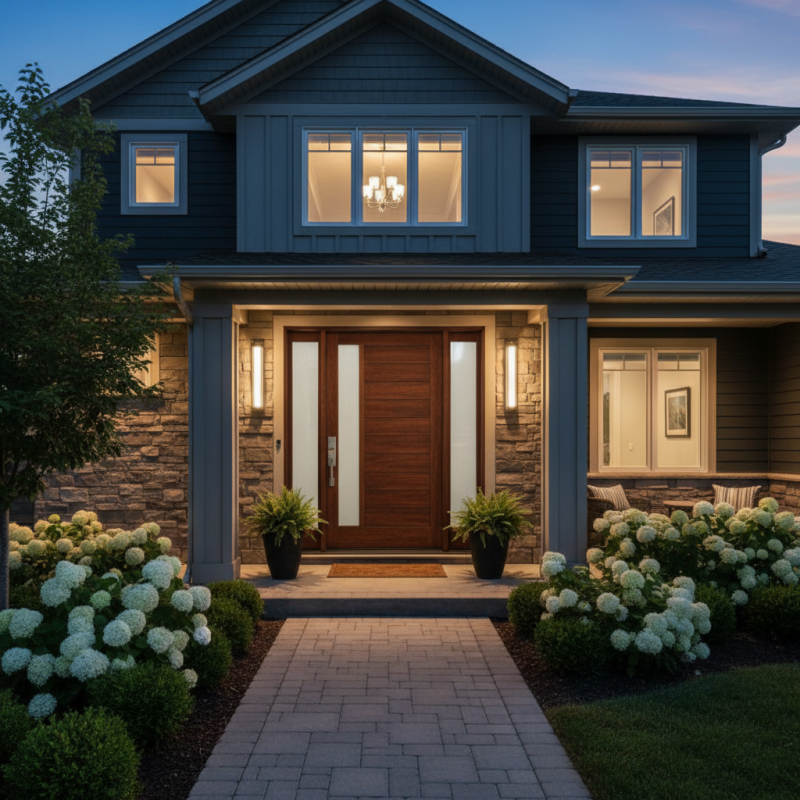
Definition of an Entry Door and Its Importance
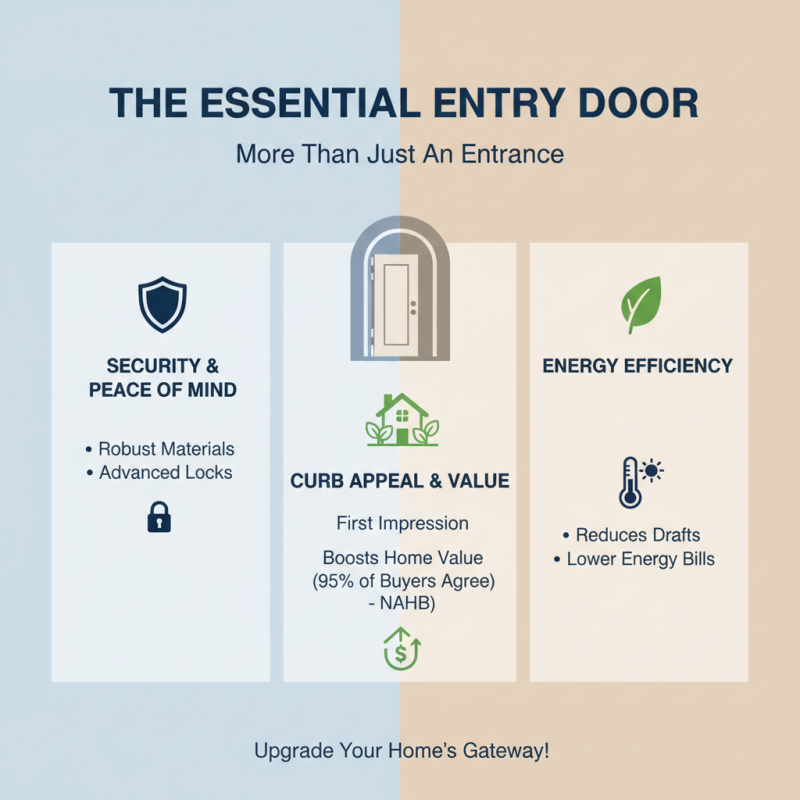
An entry door serves as the primary point of access to a home, playing a crucial role beyond merely providing entry and exit. Its importance is multifaceted; it not only bolsters security but also significantly influences the overall curb appeal and energy efficiency of a residence. According to the National Association of Home Builders (NAHB), about 95% of homebuyers consider door quality as an important factor in their purchasing decisions, highlighting how a well-crafted entry door can enhance the perceived value of a home.
In terms of features, entry doors come in various materials, including wood, fiberglass, and steel, each offering distinct advantages. A report by the U.S. Department of Energy indicates that upgrading to an energy-efficient entry door can reduce energy costs by up to 20%, making it an appealing option for homeowners looking to enhance their property's efficiency. Furthermore, modern entry doors often incorporate advanced locking systems, ensuring enhanced security. With options like sidelights or transom windows, these doors also help maximize natural light, leading to improved indoor ambiance while maintaining privacy. Overall, the choice of an entry door is an essential investment in a home's aesthetics and functionality.
Common Types of Entry Doors: Materials and Designs
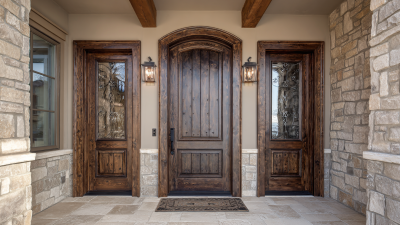
When it comes to entry doors, the choice of materials and designs plays a crucial role in enhancing the aesthetic appeal and security of a property. The most common materials used for entry doors include wood, fiberglass, steel, and aluminum. According to a report by the American Institute of Architects, approximately 30% of homeowners prefer wood doors due to their natural beauty and customization options, despite the higher maintenance they require compared to other materials. Wood doors can vary widely in design, from traditional paneled styles to contemporary, sleek looks.
Fiberglass doors are gaining popularity, especially for their durability and energy efficiency. A study by the National Association of Home Builders indicates that fiberglass doors can provide insulation values twice that of wood, making them a smart choice for regions with extreme weather conditions. On the aesthetic front, fiberglass doors can mimic the appearance of wood while offering superior resistance to dents and scratches. Additionally, steel doors, which make up about 22% of the market, provide excellent security and insulation, making them ideal for those prioritizing safety.
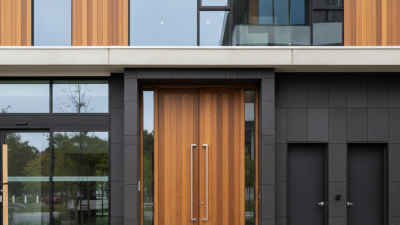
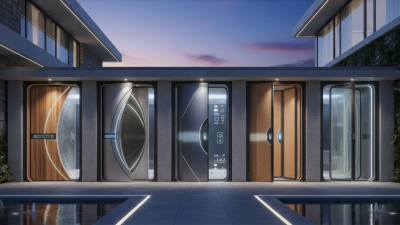
Design-wise, entry doors are available in various styles, including single, double, and French doors. Trends show that contemporary designs with large glass panels are becoming increasingly popular, allowing natural light to flood the entryway while maintaining privacy. According to market research by Statista, the entry door market is projected to grow by 5% annually through 2026, highlighting the importance of selecting the right materials and designs that not only enhance your property’s curb appeal but also meet practical needs.
Types of Entry Doors and Their Popularity
Key Features to Consider When Choosing an Entry Door
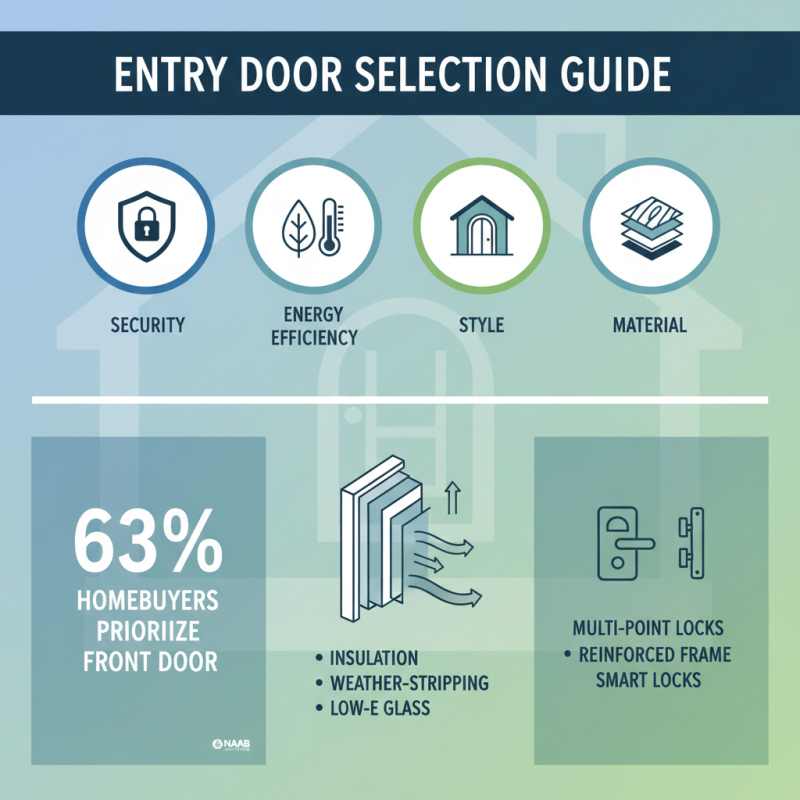
When selecting an entry door, several key features play a crucial role in ensuring security, efficiency, and aesthetic appeal. According to the National Association of Home Builders (NAHB), approximately 63% of homebuyers regard the front door as a key feature impacting their decision-making process. Therefore, aspects such as material, energy efficiency, style, and security measures should be taken into account.
Material choice influences durability and maintenance. Steel doors, for instance, are recognized for their strength and resistance to wear, while fiberglass offers versatility in aesthetic designs combined with energy efficiency. A report from the Door & Access Systems Manufacturers Association states that fiberglass doors can reduce energy costs by up to 15% due to better insulation properties compared to traditional wood doors. Additionally, the door's style should complement the home’s architecture, with options ranging from traditional to contemporary designs available.
Security features are equally important, with a focus on reinforced materials and advanced locking systems. According to the Bureau of Justice Statistics, homes without security features are about three times more likely to be burglarized. Therefore, investing in a door with a robust locking mechanism can enhance safety, providing homeowners with peace of mind. With these essential features in mind, choosing the right entry door can significantly impact both the aesthetics and security of a home.
Benefits of High-Quality Entry Doors for Home Security and Aesthetics
High-quality entry doors serve as the first line of defense against intruders, significantly enhancing the security of your home. They are typically constructed from robust materials such as solid wood, fiberglass, or steel, which are designed to withstand forceful impacts. Advanced locking mechanisms, including deadbolts and smart locks, further bolster the security provided by these doors. When you invest in a durable entry door, you not only protect your home but also have peace of mind knowing that you have taken proactive measures to safeguard your loved ones and valuables.
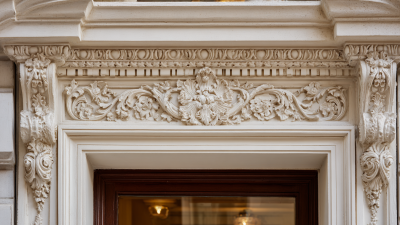
In addition to offering security benefits, high-quality entry doors contribute greatly to the aesthetics of your home. They come in a variety of designs, colors, and finishes, allowing homeowners to choose a style that complements their architectural vision. A well-designed entry door can enhance curb appeal, making a lasting impression on visitors and potential buyers alike. Furthermore, an inviting entryway can increase the overall value of your property, distinguishing it in a competitive real estate market. Ultimately, selecting a high-quality entry door is a strategic decision that marries functionality with beauty, creating a welcoming and secure environment for your home.
Factors Influencing the Cost of Entry Doors and Installation
When considering the cost of entry doors and their installation, several critical factors come into play. According to a recent report from the Home Improvement Research Institute, the price of entry doors can range significantly, typically between $300 to $2,500, depending on materials, design, and additional features. Steel doors tend to be more economical, while fiberglass and wood doors, particularly those with custom designs, can drive up the costs. The choice of materials affects not only the door's price but also its durability, insulation properties, and maintenance requirements.
Installation costs are influenced by the complexity of the project, including door size, location, and any necessary structural adjustments. The National Association of Home Builders indicates that professional installation can add anywhere from $150 to $1,000 to the overall cost, based on labor rates and regional market trends. Additional elements such as hardware, weather stripping, and security features might further increase expenses. Homeowners should also account for potential permits and inspections that may be required, depending on local building codes, which can add unexpected costs to the overall budget.
What is an Entry Door? Types, Features, and Benefits Explained - Factors Influencing the Cost of Entry Doors and Installation
| Type of Entry Door |
Materials |
Features |
Benefits |
Average Cost ($) |
| Fiberglass Entry Door |
Fiberglass with Steel Frame |
Energy Efficient, Low Maintenance |
Durable, Excellent Insulation |
1,500 - 3,000 |
| Steel Entry Door |
Steel with Insulation |
High Security, Resistant to Impact |
Affordable, Low Maintenance |
800 - 2,500 |
| Wood Entry Door |
Solid Wood or Engineered Wood |
Classic Design, Customizable |
Elegance, Natural Insulation |
1,000 - 5,000 |
| Glass Entry Door |
Framed Glass |
Modern Aesthetics, Brightens Space |
Enhanced Natural Light, Stylish |
1,500 - 4,000 |
| Composite Entry Door |
Composite Materials |
Durable, Weather Resistant |
Low Maintenance, Energy Efficient |
1,200 - 3,500 |