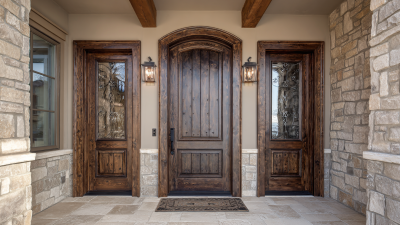
How to Securely Choose and Install Outside Building Doors in 2025
When considering the safety and security of commercial properties, the importance of choosing the right outside building doors cannot be overstated. As technology advances and design trends evolve, so do the methods of securing these critical entry points. In 2025, industry expert Dr. Emily Carter, a renowned security consultant, emphasized, "The integrity of outside building doors is paramount; they are not just entrances but the first line of defense against unauthorized access." Her insights highlight the need for careful selection in both material and locking mechanisms.
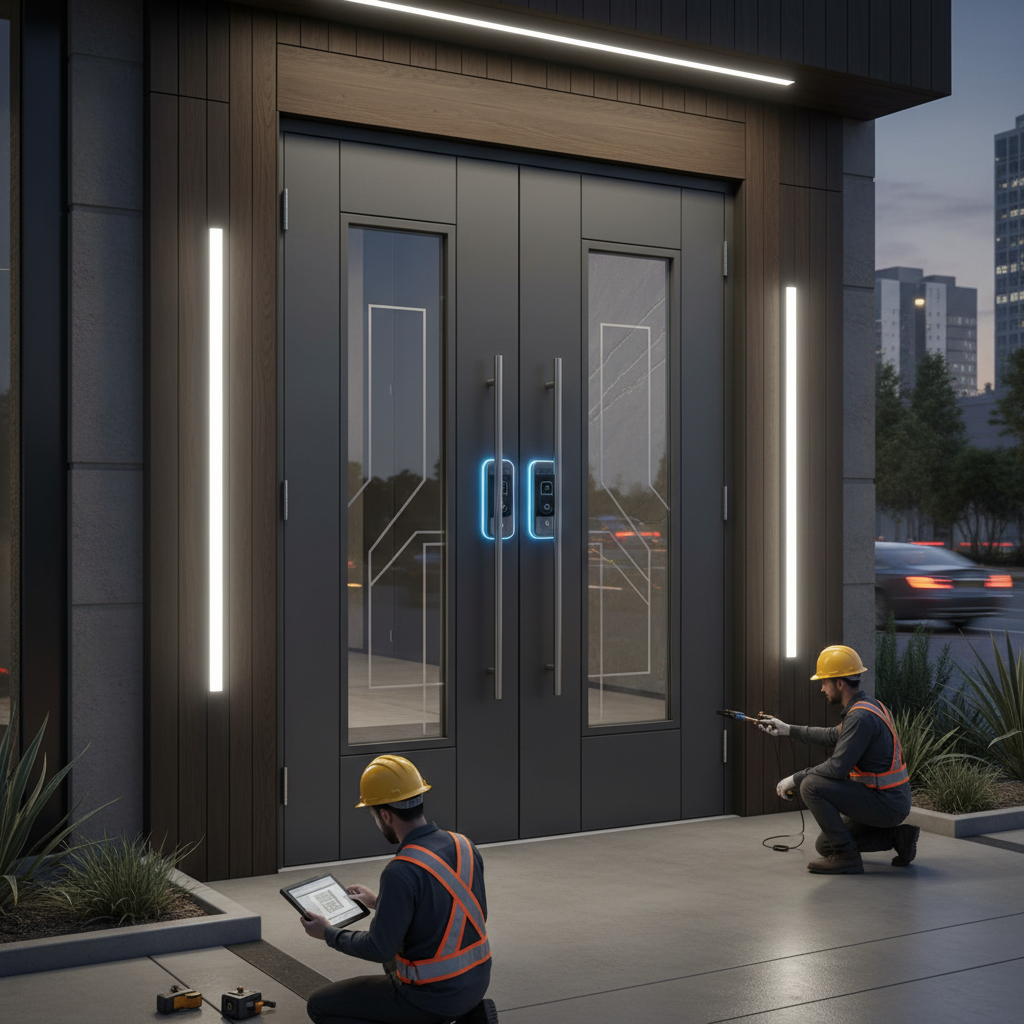
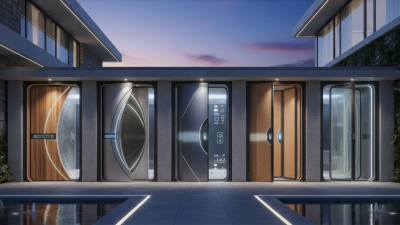
As we approach the future, property owners must navigate a variety of options that blend aesthetics with robust security features. Selecting outside building doors involves understanding the latest innovations in materials, such as reinforced steel or composite structures that offer enhanced protection. Additionally, integrating smart technology, like biometric scanners and remote locking systems, becomes essential in creating a comprehensive security strategy.
The installation process is equally vital, as even the strongest doors can be compromised if not properly fitted. Engaging professional installers who specialize in outside building doors ensures that every aspect of the door’s operation meets the highest security standards. With these considerations in mind, this guide will explore key strategies to securely choose and install outside building doors, ensuring that buildings are not only beautiful but also fortified against potential threats.
Selecting the Right Materials for Outside Building Doors in 2025
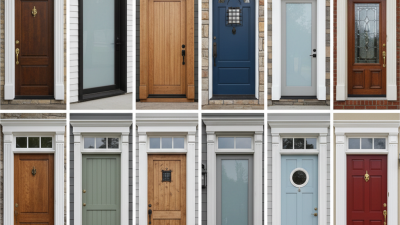
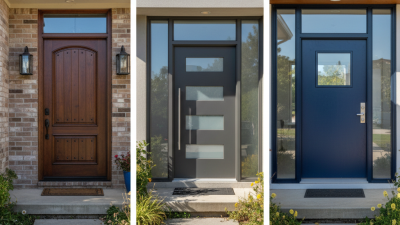
When selecting the right materials for outside building doors in 2025, durability and security must be paramount. Modern materials such as fiberglass, aluminum, and steel have gained popularity due to their resilience against harsh weather conditions and potential break-in attempts.
Fiberglass, for instance, offers the aesthetic appeal of wood while being resistant to warping and rust. Aluminum frames are lightweight and highly resistant to corrosion, making them suitable for coastal areas, while steel doors provide exceptional strength and security, ideal for commercial buildings.
In addition to strength, consider energy efficiency when choosing door materials. Insulated doors can greatly enhance a building's energy performance by reducing heat loss in colder months and keeping interiors cool during warmer seasons. Moreover, the trend towards sustainable building practices has led to the use of recycled materials in door manufacturing. By opting for eco-friendly materials, not only are you investing in the longevity of your doors, but also contributing to environmental conservation. Properly assessing these factors will ensure that your choice of materials contributes both to the security and sustainability of your building in 2025.
Assessing Security Features for Outdoor Door Installations
When selecting and installing outside building doors in 2025, assessing security features is crucial for ensuring safety, especially in smaller blocks. It is essential to look for doors that are made from durable materials resistant to forced entry. Reinforced frames, multi-point locking systems, and impact-resistant glass are all features that enhance security. Additionally, consider doors with smart technology integration that can be monitored remotely or alert homeowners of suspicious activity.
**Tips:** Always check for certifications indicating that the door meets recognized security standards. Ensure proper installation by hiring a professional, as even the best door systems can be compromised by inadequate fitting. It's also advisable to pair your outdoor door with a reliable home security system, including cameras and alarms, to create a comprehensive security strategy that protects your property effectively.
Step-by-Step Guide to Measuring for New Building Doors
When it comes to installing new outside building doors, accurate measurements are crucial to ensure a secure fit and optimal performance. Begin by measuring the width and height of the existing door frame. Use a tape measure to record the dimensions at multiple points—especially at the top, middle, and bottom of the frame—since door frames can often be uneven. This will help you determine the best size for your new door, taking into account any discrepancies.
Next, measure the depth of the door frame to ensure that the new door will fit properly without any interference from the surrounding structure. Additionally, consider the threshold height and any potential obstructions that might affect the door's operation. Don’t forget to assess the hardware needs, including hinges and locks, which can vary based on the type of door you choose. By conducting these careful measurements, you lay the groundwork for a successful installation that enhances both security and aesthetics for your building in 2025.
Best Practices for Installing Outside Doors Securely
When choosing and installing outside building doors in 2025, it is crucial to prioritize security as well as energy efficiency. One effective solution is to consider storm doors, which not only protect your main door from the elements but also enhance ventilation and insulation. These doors serve as an additional barrier against break-ins and can significantly contribute to the overall security of your home. Opting for energy-efficient models can also help reduce utility costs while maintaining safety.
In addition to selecting the right doors, upgrading to a smart locking system is essential for modern security. The best smart locks are user-friendly and provide keyless entry, eliminating the need for traditional keys. Look for options that offer features like multiple access settings and automatic locking capabilities. For comprehensive security, a multi-lock system combined with a robust deadbolt can provide an extra layer of protection for your entrance. By following these best practices, homeowners can ensure their outside doors are not just stylish but also secure against potential threats.
Maintaining and Upgrading Security for Exterior Doors Post-Installation
When it comes to maintaining and upgrading security for exterior doors after installation, the focus should be on both
proactive measures and regular assessments.
One effective strategy is to regularly inspect door frames and locks for any signs of wear or damage. Weather conditions can lead to
warping or deterioration, which might compromise the integrity of the door.
It’s essential to invest in high-quality, weather-resistant materials for door frames and to replace any locks that show signs of
rust or malfunction. Additionally, consider upgrading to
smart locks or electronic access systems, which provide enhanced security features, such as
remote monitoring and alerts for unauthorized access.
Another crucial aspect of post-installation security is the implementation of
supplementary protection measures.
Reinforcing the door with deadbolts and security bars can provide an extra layer of defense against potential break-ins.
Installing a security camera near the entrance serves as both a deterrent for intruders and a tool for monitoring activity.
Regularly updating security protocols, such as changing access codes or passwords for digital locks, will further enhance security.
By prioritizing ongoing maintenance and adopting advanced technologies, homeowners can significantly bolster the security of their
exterior doors, ensuring they remain robust against potential threats.