Choosing an exterior door with trim is a crucial decision for homeowners. The right door enhances curb appeal and improves energy efficiency. According to the 2022 Remodeling Impact Report, replacing an exterior door can yield a return on investment of up to 75%. This figure alone highlights the importance of making the right choice.
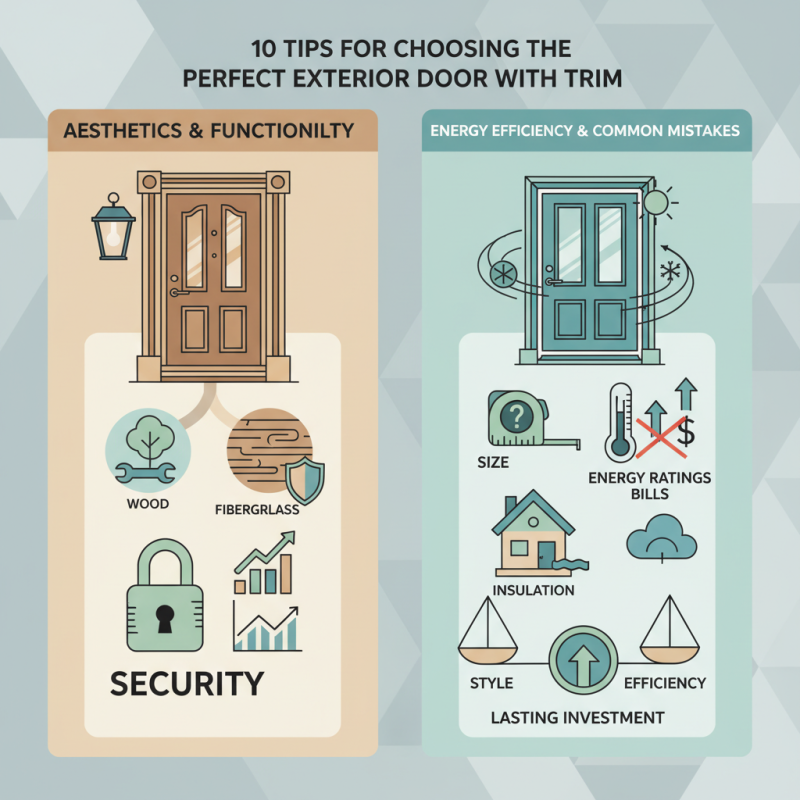
When selecting an exterior door with trim, it’s essential to consider aesthetics and functionality. Materials vary widely; wooden doors offer charm but require maintenance. Fiberglass options can mimic wood while providing durability. Statistics show that nearly 50% of homeowners believe security features are critical when choosing a new door. Prioritizing this aspect reflects a growing awareness of home safety.
Mistakes are common in this process. Skipping the measurement phase can lead to size issues. Additionally, overlooking energy ratings may result in higher utility bills. Many homeowners underestimate the impact of poor insulation. The right choice should balance style and efficiency, ensuring a lasting investment.
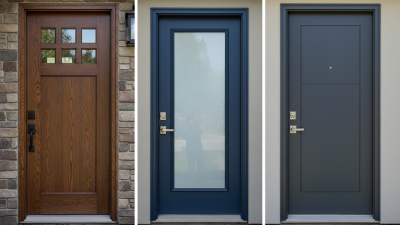
When choosing the perfect exterior door, it's essential to understand the various types available. There are several styles, including traditional wood, modern fiberglass, and durable steel doors. Each type has unique characteristics, offering different levels of security and insulation. Wood doors add warmth and charm, but they require maintenance. Fiberglass doors are low-maintenance and energy-efficient. Steel doors provide security but may lack aesthetic appeal.
Consider these tips when selecting your door. First, think about your home's architecture. A rustic cabin may benefit from a wooden door, while a sleek modern home could use fiberglass. Second, pay attention to the color and finish. Lighter colors can brighten up a space, while darker tones can add elegance. Lastly, think about the trim. The right trim enhances the door's visual appeal and complements your home’s style.
It’s also important to reflect on your lifestyle needs. If you have kids or pets, a door that’s highly durable is crucial. Safety features may take precedence if you live in a high-crime area. Be mindful of how the door functions with various weather conditions. Drafts or leaks can undermine even the best-designed door. An informed choice will ensure your exterior door suits both function and aesthetics.
When considering the choice of exterior door materials, several key factors come into play. Durability is paramount. Doors made of fiberglass and steel are known for their strength. According to industry reports, fiberglass doors can resist dents better than wood. They are also less likely to warp over time. This durability can lead to long-term savings on repairs.
Energy efficiency is another significant factor. Insulated doors can drastically reduce energy costs. Research indicates that homes with proper door insulation can save up to 15% on energy bills. A well-insulated door keeps warmth in during winter and cool air in summer. However, not all materials provide equal insulation. Some wooden doors may lack the energy efficiency required in modern homes, leading to regret after installation.
Aesthetic appeal must also be factored in. The right door can enhance curb appeal. However, choosing solely based on looks can be misleading. A beautiful door may not stand the test of time or weather. It's essential to balance aesthetics with functionality. Many homeowners overlook this balance, only to face costly replacements or repairs later.
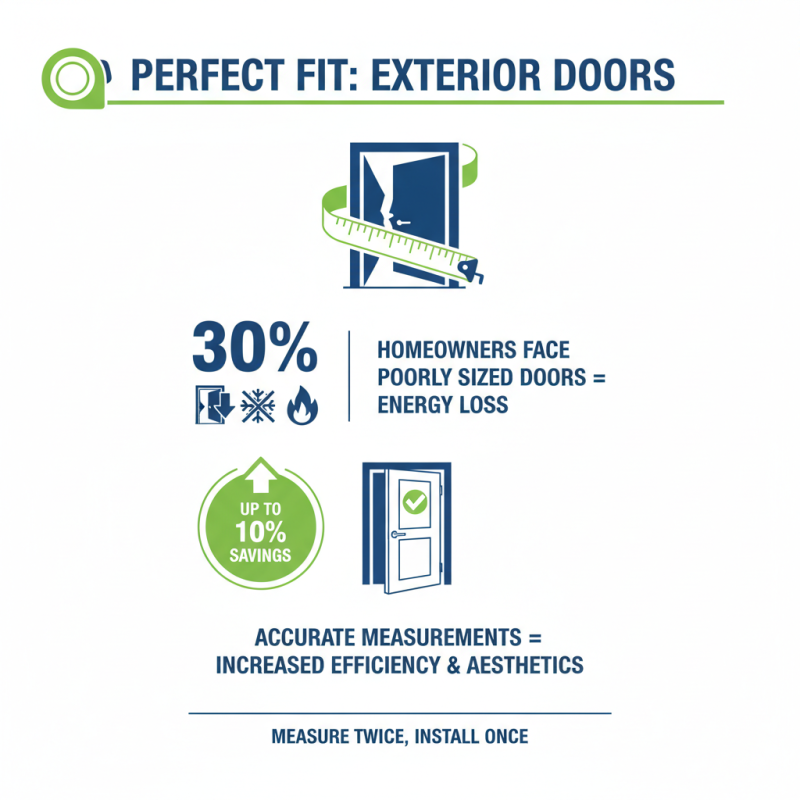
Choosing the right exterior door begins with proper measurements. Accurate measurements are crucial for a seamless fit, enhancing both aesthetics and functionality. According to a recent industry report, over 30% of homeowners face issues with poorly sized doors. This can lead to gaps that decrease energy efficiency. A well-fitted door can significantly reduce heating and cooling costs by up to 10%, making measurements essential.
To measure correctly, start by checking the door frame. Measure the height, width, and thickness accurately. Many people forget to account for the trim, which can cause installation headaches later. Industry statistics indicate that around 20% of installation delays stem from measurement errors. A miscalculation can result in extra costs and wasted materials. It's better to double-check than to rush the process. Unexpected issues can arise if the door doesn't align with the existing frame. Taking the time to measure properly can prevent these mistakes.
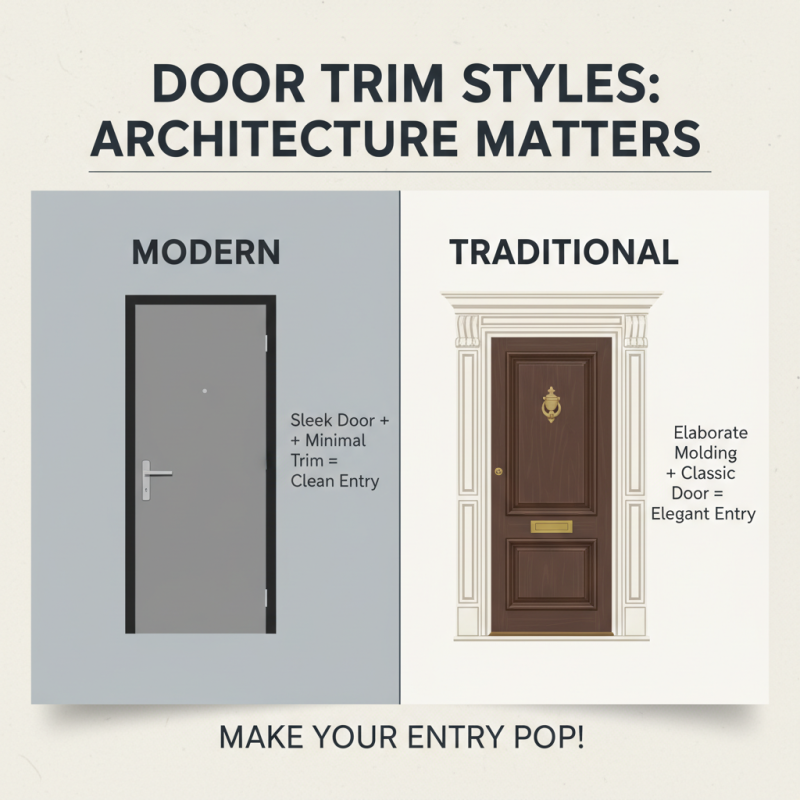
When selecting trim styles for your exterior door, consider the overall architecture of your home. A sleek, modern door pairs well with a minimalist trim. On the other hand, a traditional style benefits from elaborate molding. This contrast can make your entryway pop.
Tip: Choose a trim color that complements your door. If your door is bold, opt for a neutral trim. This approach balances the visual impact. For subtle doors, bright trims add fun details. But don’t overdo it. Too much contrast can look chaotic.
Another essential aspect is the door’s finish. A high-gloss finish reflects light beautifully. However, matte finishes offer a softer touch. Reflect on your home’s environment. If your door faces harsh weather, durable materials are vital. Poor choices can lead to wear and tear.
Tip: Measure carefully before purchasing. Trims should not be too small or too large. Size discrepancies can be eye-catching in the wrong way. A well-fitted trim improves the door’s overall look. Consider these points as you plan for your perfect exterior door and trim combination.
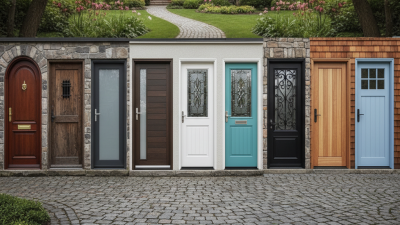
Choosing the right color for your exterior door can transform your home. A vibrant hue can attract attention, while muted tones blend with nature. Think about the overall look you want. Maybe a bold red or a soft blue? Each color sends a different message.
Finishes are equally important. A glossy finish can make colors pop, but they show dirt easily. Matte finishes hide imperfections but may lack visual interest. Consider the environment too. Sunny areas can fade colors quicker, while shaded spots keep finishes looking fresh longer.
Don't rush this decision. It’s an opportunity to express your style. Take your time in choosing the right color and finish. Sometimes, the perfect choice isn't obvious at first. Try samples on your door before committing. Reflect on how each option feels. Your exterior door says a lot about you. Make it count.
| Tip | Description | Color Options | Finish Types |
|---|---|---|---|
| 1. Assess Your Style | Consider your home’s architectural style to choose a compatible door. | White, Black, Natural Wood | Matte, Glossy, Satin |
| 2. Choose the Right Material | Select a durable material that fits your climate. | Fiberglass, Steel, Wood | Painted, Stained, Varnished |
| 3. Consider Energy Efficiency | Look for energy-efficient options to reduce utility costs. | White, Earth Tones, Bold Colors | Weather Resistant Coating |
| 4. Go for Visibility | Consider doors with glass panels for natural light. | Clear, Frosted, Tinted | Reflective, Textured |
| 5. Match Trim and Door | Ensure the trim complements both the door and home exterior. | Contrasting Colors | Freshly Painted, Distressed |
| 6. Security Features | Look for doors with added security features like multi-point locks. | Any Color | Durable Finishes |
| 7. Test Durability | Consider doors that resist dents, scratches, and weather. | Neutral Colors | Protective Coating |
| 8. Customization Options | Check if the door can be customized in size and design. | Varies by Manufacturer | Varies by Manufacturer |
| 9. Maintenance Requirements | Understand how often the door will need maintenance. | All Colors | Low-maintenance Finishes |
| 10. Budget Considerations | Set a budget that includes installation and materials. | All Colors | All Types |