Essential Tips for Choosing the Right Outside Door Trim?
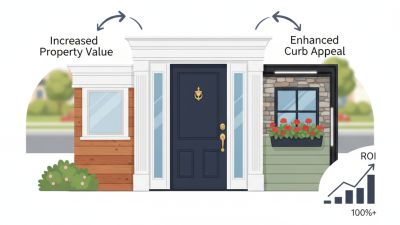
Choosing the right outside door trim is crucial for enhancing your home's curb appeal. It can significantly influence the overall aesthetic and value of your property. Many homeowners overlook this detail, which can lead to unfortunate mismatches with existing architecture.
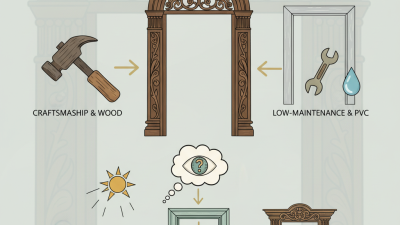
When selecting outside door trim, consider the material. Common choices include wood, vinyl, and composite. Each has its own advantages and drawbacks. For instance, wood offers natural beauty but requires maintenance. Vinyl is low-maintenance but may lack charm.
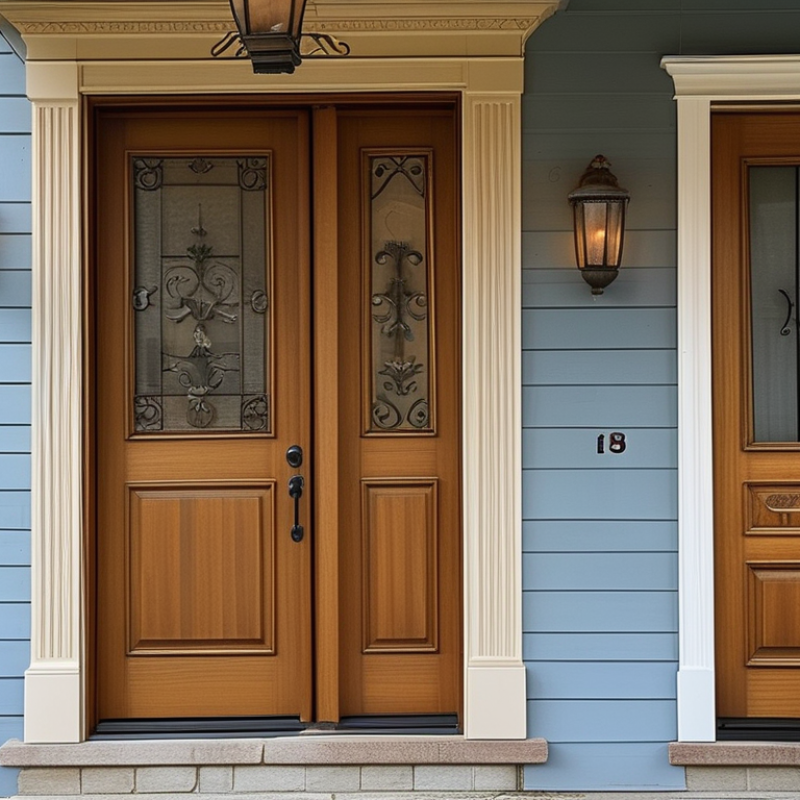
Moreover, think about the design and style of the trim. A simple, clean design may suit modern homes. In contrast, ornate trim can complement traditional styles. Your choice reflects your taste and should harmonize with the front door. Taking these factors into account will help you make an informed decision. Be open to reassessing your options and seek expert advice when needed.
Understanding the Function of Outside Door Trim in Home Design
When choosing outside door trim, understanding its function in home design is essential. The trim is not just decorative; it serves to frame doors and enhance the home’s exterior. It can dramatically influence curb appeal while providing protection against weather elements. A well-designed trim complements the architectural style of your property, creating a harmonious look.
Consider the material of the trim. Wood offers warmth and elegance, while vinyl is low maintenance and durable. Each choice has pros and cons. That’s where personal preference comes into play. Pay attention to the color and finish. A contrasting trim can make a bold statement, whereas a monochromatic look creates a seamless appearance.
When selecting trim, think about the details. Simple profiles can modernize a look, while intricate designs may invoke a classic feel. Visualize how the trim will interact with other design elements, such as siding and roofing. This step is crucial. Ensure practicality doesn’t take a back seat to aesthetics. Overall, aligning your trim choice with the overall design vision is key for a successful exterior.
Factors to Consider When Selecting Material for Door Trim
When choosing door trim material, durability is key. Look for options that can withstand diverse weather conditions.
Wood may offer warmth, but it often requires regular maintenance. Consider synthetic materials as well. They resist fading and don’t warp, making them low-maintenance choices for busy households.
Another significant aspect is appearance. The trim should complement the style of your home. Decide between a modern or traditional look.
Think about the color and finish that will enhance your door. Some materials come pre-finished, which can save time and effort in the long run.
Budget also plays a crucial role. High-quality materials may cost more upfront but can provide savings later. Cheaper options may wear out faster and require replacements.
Reflect on long-term value versus initial cost to make the best decision.
Aesthetic Solutions: Matching Door Trim with Your Home's Style
Choosing the right door trim can significantly enhance your home's curb appeal. When matching door trim with your home's style, consider the architectural elements. A modern home may benefit from sleek, minimalistic trim, while a rustic house often looks best with ornate, crafted designs.
Tips: Focus on colors that complement your exterior. Neutral tones work great for classic homes, while bold shades can express personality. The material matters too. Wood adds warmth, while composite options offer durability. Don’t forget about the scale; oversized trim can overwhelm a small entry.
Reflect on how the trim aligns with your personal taste. Sometimes, choosing a style that feels too trendy can lead to future regrets. Remember to balance self-expression and timelessness. A unique trim can be eye-catching, but it should still fit within the overall aesthetic of your neighborhood. Think carefully about these choices.
Practical Tips for Measuring Door Trim Accurately
Measuring door trim accurately can make a significant difference in your home’s aesthetics. According to a report by the National Association of Home Builders, a poorly measured trim can lead to wasted materials and increased costs, sometimes reaching up to 20% more than budgeted. Start with a reliable tape measure. Always check for straightness and accuracy.
Consider measuring from the floor to the top of the door frame. This height requires careful attention to detail. Uneven flooring can lead to inconsistency. Use a level to ensure you have the correct vertical measurements. For width, measure from edge to edge. Sometimes, people overlook small gaps. A gap as small as 1/8 inch can be noticeable when installed.
When measuring corners, use a protractor to ensure angles are precise. Misjudged angles might make your trim pieces fit poorly. It’s essential to account for any embellishments or profiles on the trim itself. This can impact how the trim aligns and finishes against the wall. Itemizing your measurements on paper can help prevent errors and miscalculations, which often occur during the installation process. Even experienced DIYers can sometimes miss details, so take your time.
Essential Tips for Choosing the Right Outside Door Trim
This bar chart illustrates the importance of various factors when choosing the right outside door trim. Each factor is rated on a scale from 1 to 10, indicating its significance in the decision-making process.
Maintenance and Durability: Choosing Long-lasting Door Trim Options
When selecting outside door trim, durability should be a top priority. Choosing materials that withstand various weather conditions is essential. For instance, wood trim may look beautiful, but it often requires regular maintenance. It can warp or rot if not treated properly. Conversely, composite materials offer a good balance of durability and aesthetics. They resist moisture and pests, making them a practical choice.
Consider the climate in your area. In humid regions, look for trim that can handle moisture without deteriorating. On the other hand, areas with extreme heat may require materials that minimize fading. Vinyl trims are another option. They are low-maintenance and available in various styles. However, they can feel less authentic compared to wood.
While aesthetics are vital, longevity should guide your decision. Researching the lifespan of different materials can help. You might realize that an initial higher investment in durable trim saves money in the long run. Always weigh the cost against potential long-term maintenance issues. A well-informed choice today leads to fewer regrets later.
Essential Tips for Choosing the Right Outside Door Trim
| Trim Material |
Durability Rating |
Maintenance Level |
Weather Resistance |
Estimated Cost ($) |
| Vinyl |
High |
Low |
Excellent |
50 - 100 |
| Wood |
Medium |
Medium |
Good |
100 - 300 |
| Fiberglass |
Very High |
Low |
Excellent |
150 - 400 |
| Aluminum |
High |
Low |
Very Good |
75 - 200 |
| Composite |
High |
Medium |
Excellent |
100 - 250 |