Top Building Materials for Doors in 2025 You Need to Know About
As we move towards 2025, the landscape of building materials used for doors is evolving rapidly. The demand for innovative and sustainable options has grown, prompting manufacturers and designers to explore new materials that enhance functionality while prioritizing environmental impact. In this dynamic environment, understanding the latest materials available for doors is crucial for homeowners, builders, and architects alike.
The right building materials for doors not only contribute to aesthetic appeal but also play a vital role in energy efficiency, safety, and durability. In addition to traditional choices like wood and metal, emerging alternatives such as fiberglass and recycled composites are gaining traction. These materials offer unique benefits, including lower maintenance requirements and enhanced insulation properties. As we explore the top building materials for doors in 2025, it is essential to consider how these innovations can transform spaces, promote sustainability, and meet the diverse needs of modern construction.
Key Considerations for Selecting Door Materials in 2025
When selecting door materials in 2025, several key considerations will shape your choices. First and foremost, durability remains a crucial factor. According to an industry report by Grand View Research, the global market for door materials is projected to reach USD 115 billion by 2027, driven by an increasing demand for high-performance materials. This indicates a strong shift toward options that not only withstand environmental challenges but also provide extended lifespans.
In addition to durability, energy efficiency is becoming increasingly significant. The U.S. Department of Energy reports that doors contribute to approximately 10% of residential energy loss. Thus, selecting door materials with better insulation properties can significantly lower energy bills and enhance comfort.
Materials such as insulated fiberglass and advanced composites are gaining traction across the industry, offering superior thermal resistance while also meeting aesthetic demands. As sustainability continues to influence consumer behavior, opting for eco-friendly materials that minimize carbon footprints will be a priority for homeowners and builders alike.
Overview of Popular Building Materials for Doors
In 2025, the building materials used for doors are evolving to meet advancements in technology and sustainability. Among the most popular materials are
solid wood,
fiberglass, and
steel, each offering distinct advantages for residential and commercial applications. According to a recent industry report by the
Global Building Materials Association, over
30% of new doors installed in buildings are now composed of fiberglass due to its durability and energy efficiency. This material is particularly favored for its resistance to warping and its low maintenance requirements, making it an ideal choice for various climates.
Steel doors have also seen a resurgence, accounting for nearly
25% of the market share due to their strength and security features. The latest findings indicate that modern steel doors are not only aesthetic but also energy-efficient, meeting the stringent energy codes that are becoming increasingly prevalent. In contrast, solid wood doors, which represent about
15% of installations, are still appreciated for their natural beauty and customizability, catering to a niche market seeking traditional appeal with modern performance.
Tips: When choosing a door material, consider the climate of your region. Opting for fiberglass doors can be beneficial in areas with high humidity, while steel doors may offer the best security in urban environments. Additionally, always ensure that the material you select complies with the latest energy efficiency standards to optimize your building’s performance and reduce long-term costs.
Sustainability Trends Impacting Door Material Choices
As we look toward 2025, the focus on sustainable building materials is reshaping the choices available for door construction. The increasing awareness of environmental issues is leading architects and builders to prioritize materials that have a lower ecological footprint.
Recycled materials, such as reclaimed wood and metal, are gaining popularity due to their ability to reduce waste and lower the demand for new resources. These materials not only offer unique aesthetics but also contribute to a more sustainable building lifecycle.
Furthermore, innovations in bio-based materials are gaining traction. These materials, derived from renewable resources like bamboo and agricultural by-products, provide durable options that are kinder to the environment than traditional materials. The trend towards using less harmful adhesives and finishes also aligns with sustainability goals, ensuring that indoor air quality is maintained while reducing the overall environmental impact of door production.
This shift in material selection not only fulfills aesthetic and functional demands but also aligns with a growing societal commitment to sustainability and responsible building practices.
Innovative Technologies in Door Manufacturing Materials
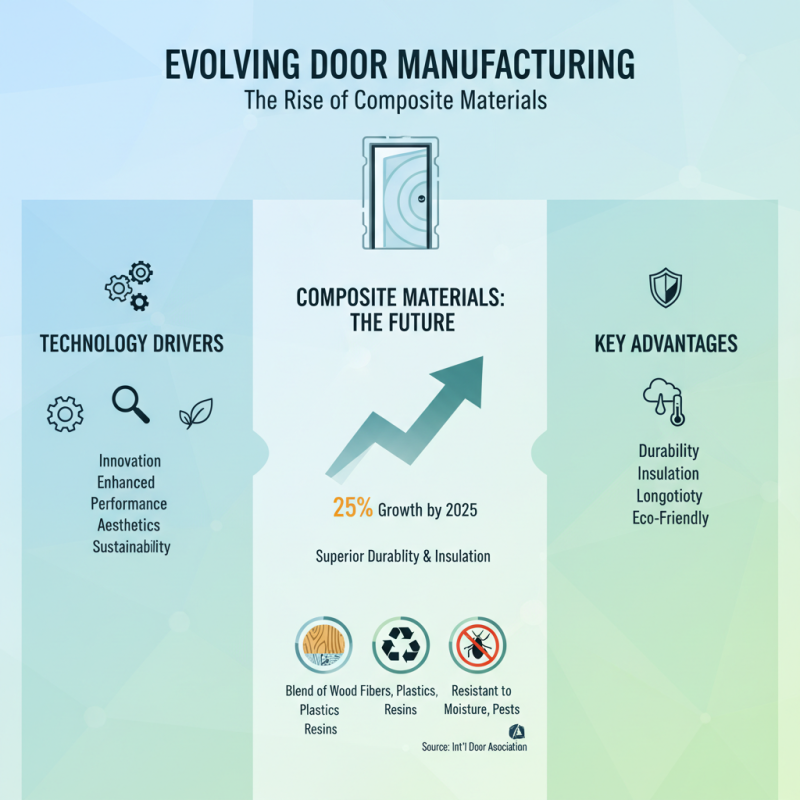
The landscape of door manufacturing is rapidly evolving, driven by innovative technologies that enhance the performance, aesthetics, and sustainability of materials used. According to a recent market analysis by the International Door Association, the use of composite materials is projected to grow by 25% by 2025 due to their superior durability and insulation properties. These materials, often made from a blend of wood fibers, plastics, and resins, offer significant advantages over traditional wood and metals, including resistance to warping, moisture, and pests.
Another notable advancement in door manufacturing is the integration of smart technologies. Reports anticipate that by 2025, nearly 40% of all doors produced will incorporate smart technology features, such as built-in sensors and automated locking systems. This shift not only enhances security but also supports energy efficiency by integrating with home automation systems to optimize heating and cooling. The combination of advanced materials and smart functionalities signifies a transformative period for the construction industry, aligning with contemporary demands for safety and environmental sustainability.
As sustainability continues to be a central concern, many manufacturers are exploring biodegradable and recycled materials. A study published by the Green Building Council indicates that eco-friendly materials could make up to 30% of the door market by 2025, reflecting a growing commitment to reducing the carbon footprint of building products. Innovations in material sourcing and manufacturing processes are driving this trend, enabling the development of doors that are not only functional but also environmentally responsible.
Comparative Analysis of Traditional vs. Modern Door Materials
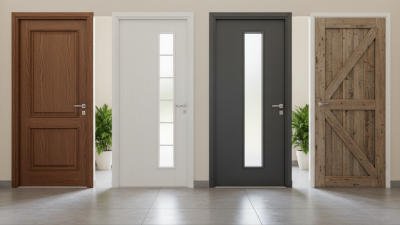
When considering the best building materials for doors in 2025, a comparative analysis between traditional and modern options reveals significant differences in performance, aesthetics, and environmental impact. Traditional materials such as solid wood and metal have long been favored for their durability and classic appeal. Wood offers a warm, inviting look and excellent insulation properties, but it can be susceptible to warping and requires regular maintenance. Meanwhile, metal doors, typically made of steel or aluminum, provide robust security and longevity, though they may lack the stylistic versatility found in wood.
On the other hand, modern materials are gaining traction due to advancements in technology and design. Composite materials and engineered wood products combine the best characteristics of durability and aesthetics. These materials often mimic the appearance of traditional wood while offering greater resistance to moisture and temperature fluctuations. Additionally, innovative designs like fiberglass doors provide superior insulation and can be customized to emulate the look of various traditional finishes, thus appealing to a broader range of homeowners. Furthermore, the growing emphasis on sustainability is driving the popularity of eco-friendly materials, ensuring that modern doors can be both functional and environmentally responsible.
Top Building Materials for Doors in 2025 You Need to Know About - Comparative Analysis of Traditional vs. Modern Door Materials
| Material Type |
Durability |
Cost (per sq ft) |
Maintenance Level |
Eco-Friendliness |
Design Versatility |
| Solid Wood |
High |
$10 - $20 |
Medium |
Moderate |
High |
| Steel |
Very High |
$15 - $25 |
Low |
Low |
Medium |
| Fiberglass |
High |
$20 - $30 |
Low |
High |
High |
| Aluminum |
High |
$12 - $18 |
Low |
Medium |
Medium |
| Composite |
Moderate |
$14 - $22 |
Medium |
High |
High |