Top Door Siding Trim Options: Enhance Your Home's Curb Appeal
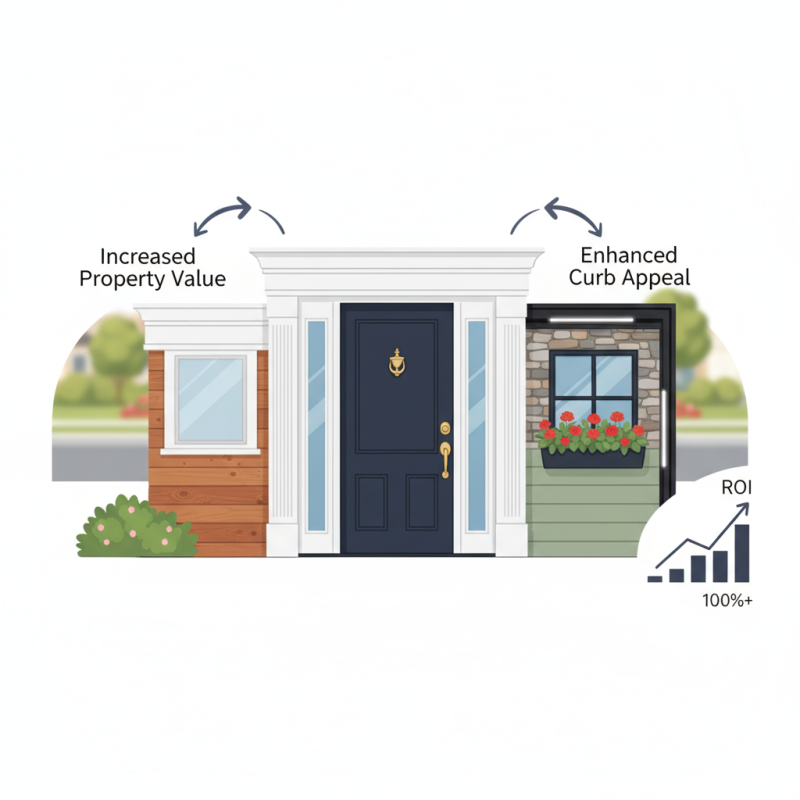
The exterior of your home is the first impression visitors and potential buyers will have, making curb appeal a critical aspect of property value. According to a report by the National Association of Realtors, enhancing a home’s exterior through features such as door siding trim can significantly increase its appeal and resale value. It is estimated that landscaping and exterior improvements can yield a return on investment as high as 100% or more, underscoring the importance of thoughtful design choices.
Door siding trim serves not just an aesthetic purpose but also adds functionality by protecting entryways from water damage and enhancing insulation. A study from the Remodeling Magazine indicates that homeowners investing in well-designed trim can expect an increased interest in their property during selling seasons. With an array of materials and styles available, the right door siding trim can transform a plain entrance into a welcoming focal point, thereby heightening the overall charm of the home. As we explore various options for door siding trim, it becomes evident that a strategic choice can yield remarkable enhancements to both the beauty and value of your residence.
Popular Materials for Door Siding Trim: Pros and Cons
When it comes to enhancing your home's curb appeal, door siding trim plays a crucial role. Among the most popular materials for door siding trim are wood, vinyl, and composite. Each material has its own set of advantages and disadvantages.
Wood trim, while offering a classic and timeless look, requires regular maintenance to prevent rot and damage from pests. It can be painted or stained to match your home’s exterior, allowing for versatility in design. On the other hand, vinyl trim is a low-maintenance option that is resistant to weather and insects, making it a practical choice for busy homeowners. However, it may lack the aesthetic appeal and warmth that wood provides. Composite materials, which combine the best of both worlds, are durable and often mimic the look of wood without the upkeep.
Tips for choosing the right door siding trim include considering your local climate; if you live in an area with high humidity or extreme temperatures, opt for materials that can withstand such conditions. Additionally, think about the style of your home—traditional homes often benefit from wood trim, while modern designs may work better with sleek vinyl or composite options. Lastly, your budget should dictate your choice; while wood might be more appealing initially, the long-term cost of maintenance could outweigh the initial investment.
Different Styles of Door Siding Trim to Match Your Home Aesthetic
When it comes to enhancing your home's exterior, the selection of door siding trim plays a crucial role in defining curb appeal. According to a recent report by the National Association of Realtors, homes with aesthetically pleasing exteriors can see a return on investment of up to 75% for upgrades like new siding and exterior trims. Therefore, opting for the right style of door siding trim can not only elevate your home's appearance but also potentially increase its market value.
There are several styles of door siding trim that can harmonize with various home aesthetics. For traditional homes, classic styles such as colonial or farmhouse trims, characterized by their clean lines and robust profiles, can provide a timeless look. Conversely, modern homes might benefit from sleeker, minimalist trims that emphasize geometric shapes and subtle colors. A study from Remodeling Magazine highlights that homeowners often favor the contemporary aesthetic, with 60% stating that clean and simple designs resonate more with their preferences. Ultimately, whether you lean towards a rustic charm or a modern flair, the right door siding trim can transform your entryway and enhance your property's overall appeal.
Installation Tips for Door Siding Trim: DIY or Hire a Professional?
When considering door siding trim installation, homeowners are faced with a significant decision: should they tackle the project as a DIY endeavor or hire a professional? According to a recent survey by HomeAdvisor, approximately 57% of homeowners opt for professional installation when it comes to exterior improvements due to the complexity and the importance of proper installation in achieving lasting aesthetic and functional benefits. Professional installers often bring expertise that can ensure precision in measurements and cutting, which is critical in achieving a seamless look.
That said, DIY installation can be a cost-effective alternative for those with the right skills and tools. A report by the National Association of Realtors indicates that minor home improvements, such as door trim work, can yield up to a 70% return on investment when selling a home, making it worthwhile for homeowners to consider their capabilities carefully. For those confident in their skills, resources like online video tutorials and home improvement forums can provide invaluable guidance. However, it's crucial to remember that if the project requires complex carpentry or high-end materials, enlisting a professional may save time and avoid costly mistakes.
Maintenance and Care for Your Door Siding Trim to Ensure Longevity
To ensure the longevity of your door siding trim, regular maintenance and care are essential. One of the primary steps is to keep the trim clean from dirt, grime, and any mildew that may accumulate over time. A mixture of mild soap and water can effectively wash away these elements. Using a soft brush or cloth will help prevent scratching the surface, allowing you to maintain its fresh appearance. For tougher stains or signs of mildew, a gentle diluted bleach solution can be applied, followed by thorough rinsing to avoid any discoloration.
Another critical aspect of maintaining your door siding trim is to inspect it regularly for signs of wear and tear. Look for cracks, peeling paint, or any areas that may have been damaged by moisture or pests. Addressing these issues promptly will not only enhance the trim's visual appeal but also prevent further damage. Depending on the material of your trim, repainting or resealing may be necessary to protect it from the elements. This proactive approach, combined with seasonal inspections, will help extend the life of your trim, ensuring it remains a beautiful focal point of your home's exterior.
Top Door Siding Trim Options: Enhance Your Home's Curb Appeal
This chart displays the popularity of different door siding trim materials based on a survey of homeowners. The data represents the percentage of preference for each material, highlighting how homeowners prioritize aesthetics and maintenance.
Cost Considerations: Budgeting for Your Door Siding Trim Project
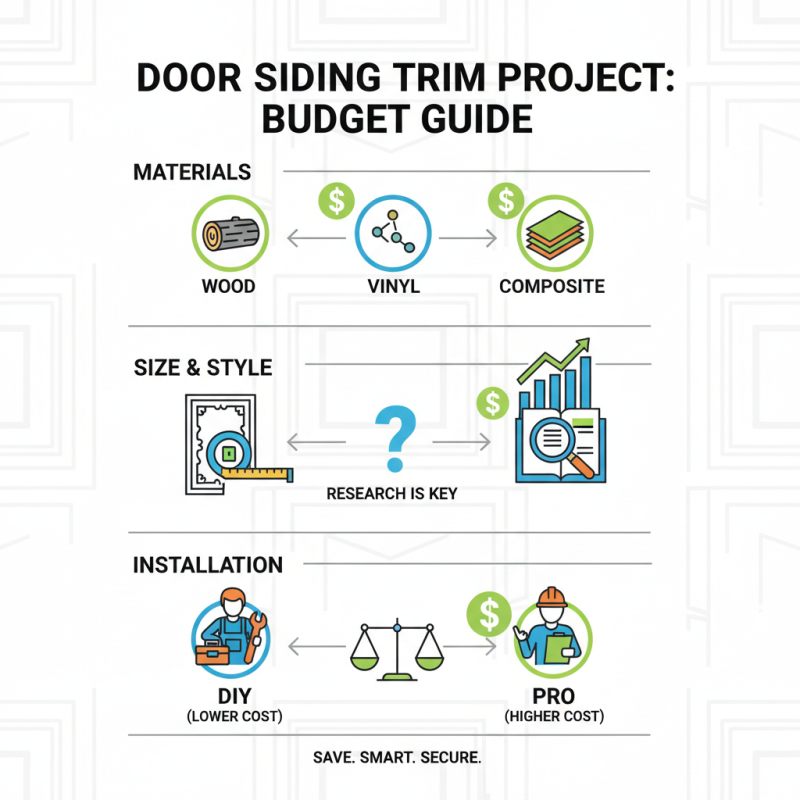
When budgeting for your door siding trim project, it's essential to consider various factors that can affect overall costs. The type of materials you choose, whether wood, vinyl, or composite, will significantly influence your budget. Additionally, the size and style of your door trim can vary in price, so it’s best to do some research beforehand. Hiring a professional installer will also add costs, so weigh the pros and cons of DIY versus professional help based on your skill level and the complexity of the installation.
Tips: To cut costs without sacrificing quality, consider purchasing materials during off-peak seasons or sales. This strategy can lead to significant savings. Additionally, selecting a simpler design can reduce both material and labor costs while still enhancing your home’s curb appeal. Don't forget to account for any finishing touches, like paint or stain, which may also impact your final budget.
Another crucial aspect to consider is maintenance. Some materials require more upkeep than others, affecting long-term costs. While a lower upfront investment may seem appealing, think about the durability and maintenance frequency of your chosen material. Investing in a slightly higher-quality trim could save you money over time by minimizing maintenance and replacement needs.