How to Use Carbon Aerogel Insulation for Maximum Efficiency?
Carbon Aerogel Insulation is gaining attention for its exceptional thermal properties. According to Dr. Emily Carter, a leading expert in insulation materials, "Carbon Aerogel Insulation can reduce energy loss significantly." This powerful statement highlights its potential in achieving maximum efficiency.
Constructed from a network of carbon nanoparticles, Carbon Aerogel Insulation provides unparalleled thermal resistance. It allows for thinner insulation layers without compromising performance. This innovation meets the growing demand for energy-efficient solutions in buildings and industrial applications.
However, the application of Carbon Aerogel Insulation is not without challenges. Proper installation is critical to realizing its full benefits. Users must consider factors like moisture control and compatibility with other materials. Understanding these elements can lead to greater effectiveness. As with any technology, ongoing research and development will refine its usage further.
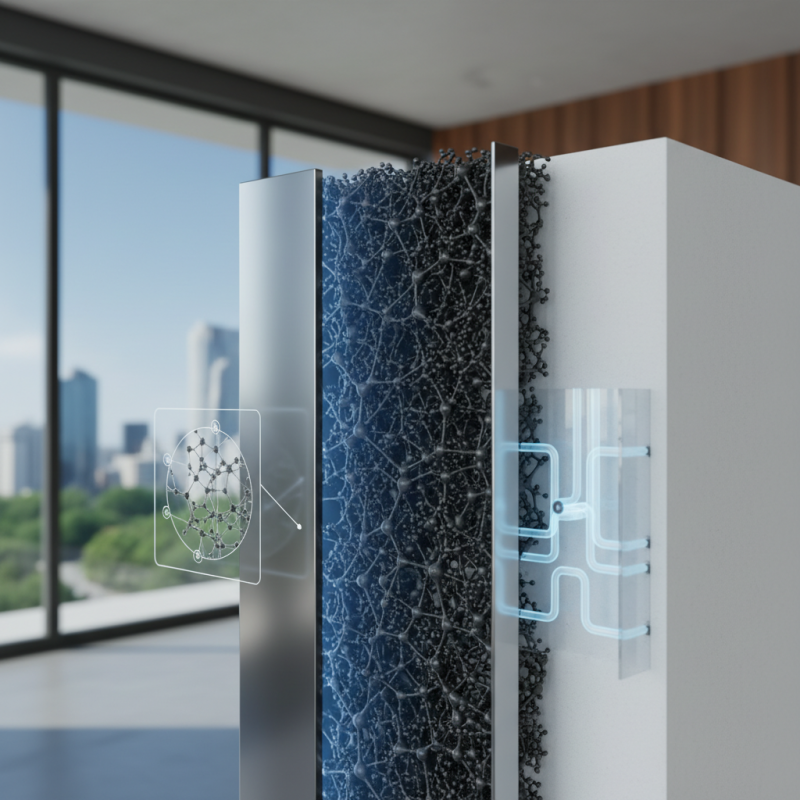
Understanding Carbon Aerogel Insulation and Its Benefits
Carbon aerogel insulation is gaining attention for its impressive thermal properties. This material, often described as one of the lightest solids, boasts an extraordinarily low thermal conductivity of approximately 0.013 W/m·K. This means it can significantly reduce heat loss in buildings, providing energy savings in the long term. A recent report by the Department of Energy states that buildings account for nearly 40% of total energy consumption in the U.S. Efficient insulation is crucial in reducing this figure.
Applying carbon aerogel insulation can enhance comfort and energy efficiency. It is especially valuable in extreme climates. For instance, in colder regions, using this insulation can cut heating costs significantly. The lightweight nature of aerogel also allows for easy application in various structures, reducing labor costs. Yet, it is important to note the higher initial investment compared to traditional materials. This can be a barrier for some. However, the long-term savings often outweigh the upfront costs, making it a smart choice for sustainable building practices.
Understanding how to properly implement this insulation is essential. From assessing the right thickness to ensuring proper installation, small mistakes can lead to reduced effectiveness. Training professionals in best practices is vital. Failure to do so may result in compromised energy efficiency. Carbon aerogel's benefits are clear, but careful consideration and planning are necessary for maximum impact.
Evaluating the Properties of Carbon Aerogel for Thermal Efficiency
Carbon aerogel is a revolutionary material known for its remarkable thermal efficiency. Its unique structure consists of a network of nanoscopic pores, providing incredible insulation properties. This low-density material can drastically reduce heat transfer, making it a preferred choice for energy-efficient applications in various sectors.
When evaluating carbon aerogel, consider its thermal conductivity, which is significantly lower than conventional insulation materials. This means that buildings or devices insulated with carbon aerogel can retain desired temperatures more effectively. However, the production process of carbon aerogels can be complex and costly. Additionally, while its insulating properties are remarkable, it may not be suitable for every environment or application.
Beyond thermal efficiency, carbon aerogel is lightweight and can be adapted into various forms. This versatility enables its use in in tight spaces where conventional insulation would be impractical. Yet, its fragility can be a drawback. Careful handling and proper application are vital to maximize its benefits. Understanding these properties helps in leveraging carbon aerogel insulation effectively.
How to Use Carbon Aerogel Insulation for Maximum Efficiency? - Evaluating the Properties of Carbon Aerogel for Thermal Efficiency
| Property | Value | Importance |
| Thermal Conductivity | 0.013 W/m·K | Low thermal conductivity offers excellent insulating properties. |
| Density | 0.1 - 0.5 g/cm³ | Lightweight, reduces structural load. |
| Fire Resistance | Non-combustible | Enhances safety in insulation applications. |
| Temperature Range | -200°C to 300°C | Suitable for extreme temperature applications. |
| Water Absorption | < 0.1% by weight | Resistant to moisture, prolongs lifespan. |
| Applications | Aerospace, Electronics, Energy | Diverse applications due to exceptional properties. |
Proper Installation Techniques for Carbon Aerogel Insulation
When installing carbon aerogel insulation, proper techniques are vital for achieving maximum energy efficiency. This material offers exceptional thermal resistance properties, making it an ideal choice for energy-efficient buildings. Studies indicate that carbon aerogel has a thermal conductivity as low as 0.014 W/m·K, outperforming many traditional insulators. However, ensuring its effectiveness hinges on careful application during installation.
To begin, it's crucial to prepare the surface correctly. Any unevenness or contamination can alter the insulating properties of carbon aerogel. Experts recommend using a smooth, dry, and clean surface for optimal adhesion. The insulation sheets should fit snugly together, leaving no air gaps. Air leaks can significantly undermine the insulation's performance, leading to energy inefficiencies. Reports suggest that even small gaps can reduce the overall effectiveness by up to 30%.
Moreover, professionals advise against compressing the aerogel material too tightly. While it may seem like a good idea to increase density, this can inhibit its insulation capabilities. A delicate balance must be maintained to ensure that the aerogel can retain its structure and insulating properties. Regular inspection after installation is also necessary to identify any settling or damage over time. Reflecting on these installation practices can lead to enhanced energy savings and extended material lifespan.
Maintaining Carbon Aerogel Insulation for Longevity and Performance
Maintaining carbon aerogel insulation is crucial for its longevity and performance. Regular inspections should be a part of your routine. Look for any signs of wear or damage. Even small cracks can lead to reduced efficiency. Over time, dust and debris may accumulate on the surface. A simple cleaning can help maintain airflow and thermal properties.
Applying a protective coating can enhance durability. This step is often overlooked but can prevent moisture absorption. Moisture can degrade insulation performance significantly. You should ensure the environment around the insulation is controlled. Temperature fluctuations can impact the material's integrity. Regular monitoring of the installation area can help identify potential issues early.
While carbon aerogel offers excellent insulation, it’s essential to treat it properly. Improper handling during installation may lead to damage. Employ trained professionals for installation and maintenance. They understand the unique characteristics of the material. Additionally, consider using guides and best practices provided by experts. Building a reliable maintenance routine will ensure optimal performance over time.
Comparing Carbon Aerogel with Other Insulation Materials for Efficiency
Carbon aerogel insulation stands out when compared to traditional materials like fiberglass and foam. Its thermal conductivity is remarkably low, often around 0.013 W/m·K. This extraordinary value highlights its effectiveness in reducing heat transfer. In contrast, fiberglass insulation ranges from 0.025 to 0.040 W/m·K, making carbon aerogel significantly more effective for thermal resistance.
Moreover, carbon aerogel is lightweight and incredibly compact. It has a density of just 160 kg/m³, which is much lower than conventional insulation materials. This feature not only simplifies installation but also enhances design flexibility. However, cost remains a consideration. Carbon aerogel can be more expensive than traditional options, which is an important factor for budget-conscious projects. Balancing performance and expense is often necessary.
Studies show that buildings insulated with carbon aerogel can achieve energy savings of up to 30%. This efficiency aligns with global sustainability goals. Nevertheless, the industry continues to evolve. Manufacturers are exploring ways to make it more accessible and affordable. Challenges still exist, especially regarding scalability in production. The pursuit of maximum efficiency through advanced materials is ongoing, requiring continuous innovation and testing to find the best solutions.
