China Best Trim Under Exterior Door Suppliers?
Choosing a reliable trim under exterior door supplier in China requires more than comparing online prices. The right partner must understand drainage, thermal movement, sealing, and installation conditions. A small profile can decide whether rainwater stays outside or reaches the sill.
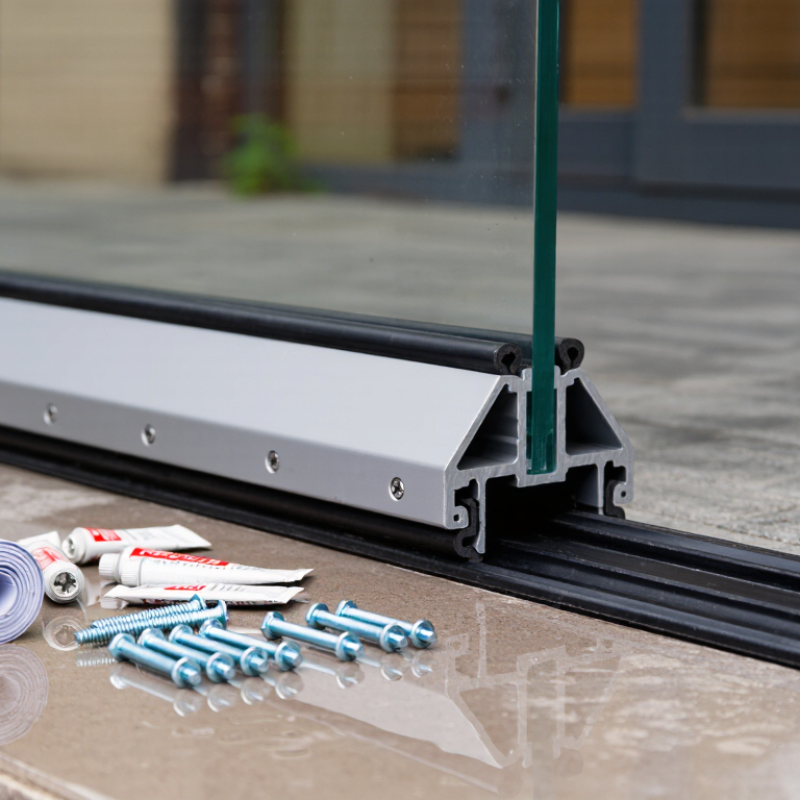
Building scientist Joseph Lstiburek often says, “A door is a hole in the wall.” This simple statement explains the real challenge. Exterior door trim must close that vulnerable opening without blocking drainage or creating a cold bridge. Experienced buyers inspect aluminum thickness, EPDM gasket quality, corner joints, screw channels, and coating consistency. They also request samples before approving large production. A useful sample should include the actual trim, fasteners, sealant contact, and a short installation guide.
This guide examines China’s leading supplier options through practical and technical criteria. It considers factory experience, tooling capability, quality control, export documentation, customization, and after-sales support. Suppliers should explain how their trim under exterior door performs during heavy rain, temperature changes, and repeated door movement. Clear test records matter. So do honest tolerances.
No supplier list is perfect. Product pages can look stronger than factory reality. That is why verification remains essential. Buyers should check production videos, inspect finished samples, and confirm dimensions in writing. A cheaper profile may require more site labor later. That mistake is common. The following overview aims to make comparison more transparent, while recognizing that local climate and installation skill still influence the final result.
What Trim Under an Exterior Door Does and Why It Matters
Trim beneath an exterior door is not decoration. It usually includes the threshold, sweep, and protective sill trim. These parts close the moving gap between the door and floor. They also guide rainwater away from the opening. A poorly fitted sweep can leave a visible line of daylight. Wind then carries dust, insects, and moisture indoors. Small detail. Serious consequences.
The U.S. Department of Energy’s Building America research notes that air leakage can represent 25–40% of heating and cooling energy in typical homes. The 2020 Residential Energy Consumption Survey from the U.S. Energy Information Administration places space heating and air conditioning at roughly half of household energy use. These figures explain why bottom trim deserves technical attention. It affects comfort, condensation risk, and indoor noise. Yet a tight seal is not automatically better. The door must still close without scraping or excessive force.
When comparing suppliers, request compression, water-resistance, UV-aging, and air-infiltration test results. Ask for dimensions, floor-clearance requirements, and installation tolerances. ASTM test methods and NFRC-style thermal documentation make comparisons more reliable. In practice, uneven slabs and settling frames can defeat elegant specifications. I once treated the trim as a cosmetic strip. That assumption was wrong. Installers sometimes replace a seal when the real problem is a twisted threshold. Check the sill slope, fasteners, and drainage path before ordering.
Key Materials and Specifications for Exterior Door Bottom Trim
Choosing the right bottom trim depends on the door’s exposure, movement, and threshold design. Aluminum is lightweight, corrosion-resistant, and suitable for many residential entrances. Stainless steel offers stronger impact resistance, especially in busy buildings. PVC costs less and resists moisture, but it may become brittle in severe cold. EPDM rubber seals can improve contact under the door and reduce drafts.
Measure the door width, clearance, and threshold height before requesting samples from exterior door trim suppliers in China. Common trim widths range from 30 to 100 millimeters, but the correct size must match the door profile. Check wall thickness, screw-hole spacing, drainage paths, and sealing compression.
A powder-coated finish can improve surface protection, although poor preparation may cause early peeling. Ask for material certificates, dimensional tolerances, salt-spray data, and installation drawings. These details reveal more than attractive product photos.
Tips:
Press the seal gently against paper. It should create even resistance without tearing. Request a physical sample before placing a large order. I once focused too much on metal thickness and overlooked the rubber hardness. The trim looked strong, yet the seal compressed unevenly. That mistake showed why material selection and installation fit must be reviewed together. Also inspect cut edges, corner joints, and fastener quality. Small gaps can invite water during wind-driven rain. Check performance after temperature changes, not only during a factory inspection.
How to Evaluate Chinese Exterior Door Trim Suppliers
When evaluating Chinese exterior door trim suppliers, start with evidence, not catalog photos. The World Bank’s 2023 Logistics Performance Index gave China a score of 3.7 out of 5. Delivery systems are capable, but supplier performance still varies. Request three years of production records, factory photographs, and export references for comparable trim profiles.
Material control matters more than polished presentations. Ask for the substrate specification, coating thickness, moisture resistance, and thermal expansion data. For metal trim, review test methods aligned with ASTM or EN requirements. For PVC or composite products, request UV-aging and impact-resistance reports. The ISO Survey 2022 recorded more than 1.2 million ISO 9001 certificates worldwide, so certification alone proves little. Check the certificate scope, issuing body, and production address.
Order samples from two production batches. Measure wall thickness with calipers, inspect corner joints, and expose cut edges to controlled moisture. A reliable supplier should explain tolerances clearly. I would also compare carton strength and labeling before approving mass production. Small packaging failures can damage long trim pieces. That detail is easy to underestimate. Do not rely only on a passed sample; factories can change resin, coating suppliers, or tooling. I would ask for a pre-shipment inspection covering color deviation, length tolerance, surface defects, and quantity. My own evaluation would remain imperfect without tracking defect rates after installation, because laboratory reports cannot fully represent site conditions.
China Best Trim Under Exterior Door Suppliers? How to Evaluate Chinese Exterior Door Trim Suppliers
Use this procurement-weighting model to compare suppliers objectively. The highest priority is given to weather resistance, dimensional accuracy, finish quality, and sealing performance because these factors directly affect exterior door durability and installation results.
The percentages represent a practical evaluation framework for supplier audits, not market-share data or a ranking of individual companies. Buyers should verify each category through samples, inspection records, test reports, and production audits.
Quality Control, Certifications, and Customization Options
China Best Trim Under Exterior Door Suppliers?
When evaluating exterior door trim suppliers in China, quality control should be visible, not merely promised. Experienced manufacturers inspect incoming aluminum, stainless steel, rubber, and adhesive materials before production. They should check profile dimensions with digital calipers and test coating adhesion after curing. Weather-resistance testing can include water spray, temperature cycling, and ultraviolet exposure. Small details matter. Ask for batch records, inspection photos, and a clear defect-handling process.
Certifications support trust, but they do not replace technical evidence. A supplier may provide ISO 9001 documentation, material safety reports, or third-party performance tests. Check the certificate scope, issuing body, and validity date carefully. The report should match the exact material and finish you plan to purchase. Factory traceability is also important. Each carton should connect to a production batch, inspection record, and packing date.
Customization can include trim width, profile shape, drilled holes, surface finish, color, adhesive type, and protective packaging. Request a drawing before tooling begins. Then test a sample on an actual exterior door, including uneven flooring and exposed thresholds. A perfect sample may still fail during installation. I have seen attractive finishes scratch during transport because the film was too thin. That kind of mistake is preventable, but only when packaging and field testing receive the same attention as appearance. Supplier audits should be repeated, since factory conditions and subcontractors can change.
How to Compare Prices, Lead Times, and After-Sales Support
Choosing the best trim under exterior door supplier in China requires more than comparing unit prices. Request quotes for identical materials, dimensions, finishes, packaging, and order quantities. A low price may exclude tooling, samples, export packing, or inspection fees. Ask for a complete cost sheet.
Lead time should be measured from approved drawings, not from the first inquiry. Reliable suppliers provide sample dates, production schedules, and shipping estimates in writing. Confirm their monthly capacity and quality-control process. Photos help, but physical samples reveal edge quality, coating consistency, and fitting accuracy. My own mistake was trusting a promised date without checking raw-material availability. The shipment arrived late.
Tips: Compare at least three suppliers. Ask for a pilot order. Check response speed. Request recent inspection records and clear replacement terms. After-sales support matters when profiles arrive scratched or dimensions vary. Confirm who pays for rework, replacement parts, and freight. Keep every agreement in one document.
A dependable supplier should answer technical questions clearly and admit limitations. Vague replies often create expensive delays later. Test communication before placing a large order. Small details matter.