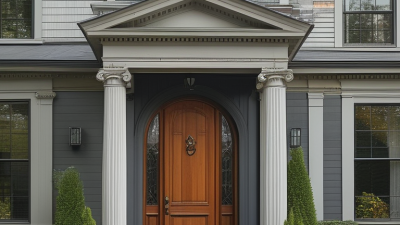
Choosing an exterior door for an international building project involves more than appearance. A building exterior door must respond to climate, traffic, security needs, energy goals, and local construction practices. A coastal hotel may need corrosion-resistant hardware, while a warehouse in a cold region may require stronger insulation and weather seals.
This guide introduces ten widely used building exterior door types for global buyers. It examines steel, aluminum, fiberglass, wood, glass, sliding, revolving, folding, fire-rated, and high-speed options. Each type has practical strengths and limitations. Some perform well in heavy traffic but demand regular maintenance. Others offer warmth and elegance but may react poorly to moisture.
Real projects rarely fit one perfect category. No ranking is perfect. Selection depends on the opening size, wall design, delivery conditions, installation skills, and long-term service access. Buyers should compare tested performance, supplier documentation, warranty terms, replacement parts, and compatibility with applicable local requirements. A low purchase price can become expensive when seals, hinges, or finishes fail early.
The discussion also considers everyday details, such as muddy entrances, strong sunlight, trolley movement, and repeated deliveries. These details often shape user satisfaction more than a product photograph. The recommendations are based on common architectural and procurement considerations, not a single regional preference. Some judgments may remain debatable, especially where design priorities conflict with maintenance budgets. That uncertainty deserves attention before any final order.
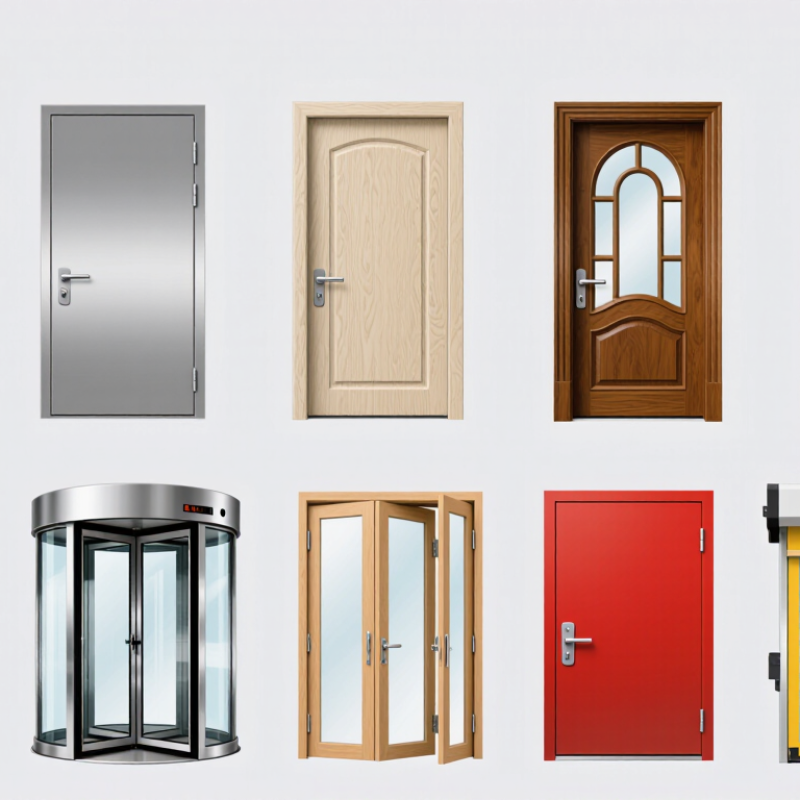
Top 10 Building Exterior Door Types for Global Buyers
What Defines a Building Exterior Door and Its Main Functions
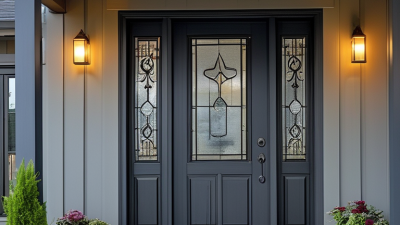
A building exterior door separates an occupied space from outdoor conditions. It controls access, weather exposure, airflow, daylight, and thermal transfer. Unlike interior doors, it must withstand rain, sunlight, wind, temperature changes, and repeated use. Common types include single doors, double doors, sliding doors, folding doors, revolving doors, pivot doors, French doors, storm doors, glazed doors, and fire-rated doors. Each design serves a different entrance condition.
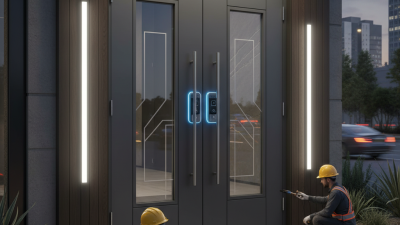
The main function is controlled entry. A suitable door should support security, smooth circulation, emergency access, and user comfort. Its frame, threshold, seals, hinges, and locking hardware affect real performance. Poor sealing can create drafts around a few millimeters of space. In coastal areas, corrosion-resistant materials may last longer. In cold regions, insulated panels and low-conductivity frames can reduce heat loss. A glazed entrance may improve visibility, but it can increase solar heat without proper glass selection.
Global buyers should check local building codes, accessibility rules, wind ratings, fire requirements, and installation methods. Request test reports, material details, maintenance guidance, and warranty terms from qualified suppliers. Yet no door performs perfectly in every climate. A specification can still miss local workmanship or drainage problems. Real project experience matters. Inspect the sample, test the hardware, and review how the door behaves after repeated opening.
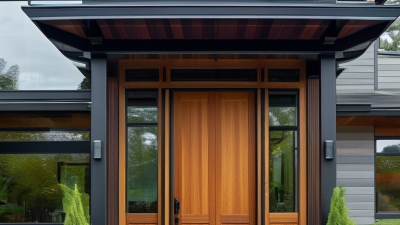
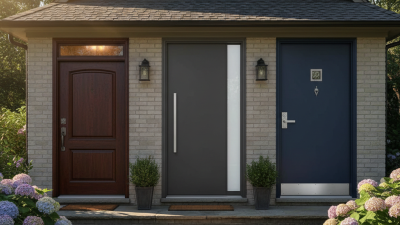
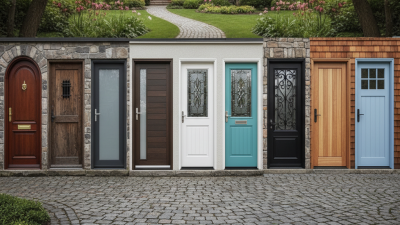
Exterior doors vary by climate, building use, security needs, and installation skill. The ten leading types in global construction are hinged panel, flush, sliding, folding, French, pivot, revolving, storm, security, and fire-rated doors. Hinged and flush doors remain common for apartments, offices, and service areas. Sliding and folding doors suit wider openings, retail fronts, and compact homes. French and pivot doors add visual impact, but their hardware needs careful alignment. Revolving doors reduce air exchange in busy entrances. Storm doors improve weather protection, while security and fire-rated doors serve stricter safety requirements.
Energy performance now influences purchasing decisions. The International Energy Agency’s 2024 Global Status Report for Buildings and Construction states that buildings consume about 30% of global final energy and create roughly 26% of energy-related emissions. A poorly sealed exterior door can weaken an otherwise efficient envelope. Fire-rated products also require tested assemblies, not just a thick door leaf. Local standards, wall construction, drainage, and replacement parts must be checked together. The ranking is not absolute. Projects sometimes choose attractive doors that perform badly in real weather.
Tips: Check U-value, air leakage, water resistance, threshold height, and cycle testing. Ask for verified test reports, installation drawings, and maintenance guidance. In humid coastal zones, corrosion-resistant hardware matters. In cold regions, insulated cores and continuous seals deserve priority. A cheaper door may become expensive after repeated adjustment. Suppliers should also confirm opening direction, accessibility clearance, and emergency-use requirements before production.
| No. | Exterior Door Type | Typical Construction | Common Applications | Typical Door Width | Thermal Performance | Security Potential | Climate Suitability | Maintenance Level |
|---|---|---|---|---|---|---|---|---|
| 1 | Steel Exterior Door | Galvanized or coated steel skins over a mineral-wool or polyurethane insulated core; commonly fitted in single or double-leaf configurations. | Residential entrances, apartments, offices, schools, utility rooms and service entrances. | 800–1,200 mm | Good with insulated core Thermal bridging can occur around the frame and hardware. |
High potential with reinforced frames, multi-point locks and security glazing. | Suitable for many climates; use corrosion protection in coastal or humid areas. | Low to medium; coatings should be inspected for scratches and rust. |
| 2 | Fiberglass-Composite Door | Molded fiberglass skins over a foam-insulated core, usually mounted in a timber, composite or reinforced polymer frame. | Single-family homes, apartments, hotels and low-rise commercial buildings. | 800–1,200 mm | Good to very good Low thermal conductivity and stable panel construction. |
Medium to high, depending on the lockset, frame anchoring and glazing design. | Well suited to hot, cold, humid and high-rainfall regions. | Low; generally resists moisture, dents and surface degradation. |
| 3 | Solid Wood Exterior Door | Stiles, rails and panels made from solid hardwood or softwood, normally protected with paint, stain or exterior-grade clear coating. | Traditional homes, villas, heritage buildings, hospitality projects and high-end entrances. | 800–1,200 mm | Moderate Performance depends on thickness, species, weather seals and frame design. |
Medium to high when built with substantial construction and quality hardware. | Effective in many climates when adequately sealed; vulnerable to prolonged moisture exposure. | Medium to high; periodic refinishing and moisture-control checks are recommended. |
| 4 | Engineered Wood Door | Finger-jointed, laminated or composite wood construction with veneer, paint-grade faces and an insulated or solid core. | Residential developments, apartments, offices and projects requiring consistent dimensions. | 800–1,200 mm | Moderate to good More dimensionally stable than many solid-wood designs. |
Medium to high, subject to core density, frame strength and locking system. | Suitable for temperate and controlled humid climates with proper edge sealing. | Medium; coating and exposed-edge maintenance are important. |
| 5 | Aluminum-Framed Glass Door | Thermally broken or non-thermally broken aluminum framing with single, double or laminated safety glass. | Commercial entrances, retail buildings, offices, schools, hotels and modern residences. | 900–1,800 mm | Moderate to high Thermal performance depends strongly on frame design and insulating glass. |
Medium to high with laminated glass, reinforced profiles and appropriate access hardware. | Well suited to humid and coastal climates when the aluminum finish is correctly specified. | Low; periodic cleaning and hardware adjustment are normally required. |
| 6 | uPVC Exterior Door | Multi-chamber extruded uPVC profiles with steel reinforcement, insulated panels or sealed double-glazed units. | Residential entrances, balconies, low-rise apartments and replacement projects. | 700–1,100 mm | Good to very good Multi-chamber profiles and sealed glazing reduce heat transfer. |
Medium to high with reinforced profiles and multi-point locking. | Suitable for wet, cold and moderate climates; color stability depends on formulation and exposure. | Low; does not normally require painting and is resistant to moisture. |
| 7 | Full-Glass Frameless or Minimal-Frame Door | Tempered or laminated safety glass supported by patch fittings, rails, pivots or slim metal framing. | Commercial lobbies, showrooms, hospitality venues, offices and contemporary homes. | 800–1,200 mm | Low to moderate Insulating performance varies with glass thickness, coatings and framing. |
Medium; laminated glass and controlled-access hardware can improve resistance. | Best for sheltered entrances; solar-control glass may be needed in hot climates. | Medium; frequent cleaning is needed to maintain appearance. |
| 8 | Louvered Exterior Door | Wood, aluminum, steel or composite frame with fixed or operable horizontal louvers for airflow. | Plant rooms, service areas, laundry rooms, utility spaces and ventilated tropical buildings. | 700–1,000 mm | Low Open louvers provide ventilation but reduce air tightness and insulation. |
Low to medium; security grilles, mesh and reinforced locks can improve protection. | Useful in hot and humid climates where passive ventilation is required. | Low to medium; louvers and insect screens require regular cleaning. |
| 9 | Sliding Patio or Terrace Door | Sliding panels running on top-hung or bottom-running tracks, commonly using aluminum, uPVC, timber or composite frames with safety glazing. | Patios, balconies, terraces, gardens, waterfront residences and large glazed openings. | 1,200–3,600 mm overall opening | Moderate to good Depends on glazing, frame insulation, seals and track design. |
Medium; anti-lift devices, laminated glass and multi-point locks are recommended. | Suitable for many climates; drainage and corrosion resistance are important in exposed locations. | Medium; tracks, rollers, seals and drainage channels need periodic attention. |
| 10 | Folding or Bi-Fold Exterior Door | Multiple hinged panels connected by hardware, commonly made from aluminum, timber, composite or uPVC with glazed infill. | Large openings to gardens, terraces, restaurants, hospitality spaces and event venues. | 1,800–6,000 mm overall opening | Moderate to good Panel joints and hardware alignment influence air and water resistance. |
Medium; use laminated glazing, secure locking points and correctly anchored frames. | Suitable for temperate and warm climates; shading and drainage may be required in severe weather. | Medium to high; hinges, rollers, seals and locking points require adjustment and lubrication. |
Exterior doors differ most in material, design, and opening system. Steel doors provide strong security and stable dimensions, while timber offers warmth but needs careful moisture protection. Fiberglass and composite doors resist swelling better in humid climates. Aluminum suits large glazed openings, although thermal breaks are essential.
The opening system changes daily performance. Hinged panel, French, Dutch, and louvered doors usually seal well when installed correctly. Sliding, folding, and pivot doors create wider clear openings, but their tracks and seals demand closer maintenance. Large glass areas improve daylight, yet they can increase solar heat gain.
The International Energy Agency’s 2024 Global Status Report identifies buildings as consuming about 30% of global final energy, so small envelope weaknesses deserve attention. The U.S. Department of Energy also reports that windows can represent 25–30% of residential heating and cooling energy use. Doors are not windows, but the lesson is relevant: glazing, orientation, and sealing matter.
Global buyers should compare U-values, air-leakage ratings, water resistance, threshold height, and corrosion performance, rather than relying on appearance. A coastal aluminum door may need better drainage than expected. A heavy security door can become inconvenient for children or older users. That assumption deserves testing.
On site, inspect a closed door for daylight around the frame, uneven compression, and track debris. Even an expensive design can perform poorly after careless installation.
For global buyers, an exterior door is not only an entrance. It is part of the building envelope. Ten common options include insulated steel, fiberglass, timber, aluminum, uPVC, glass, sliding, folding, pivot, and fire-rated doors. Each type needs climate-specific testing. In humid coastal areas, check corrosion resistance, drainage, and water penetration. In cold regions, prioritize low U-values, continuous weather seals, and thermally broken frames. Hot climates need solar-control glazing and shaded thresholds. Wind matters too. A wide pivot door may need stronger hardware and tested wind-load performance. Small details matter.
Security should be measured, not assumed. Look for tested cylinder protection, reinforced strike areas, multipoint locking, and laminated glass where glazing is reachable. A strong panel is useless if the frame flexes. Ask for forced-entry test evidence under a recognized regional standard. Fire-rated doors require compatible frames, closers, and hardware. Mixing components can reduce performance. Also check air leakage ratings, because poor seals raise heating and cooling costs. Energy labels help, but test conditions differ between markets. Compare the complete door assembly, not the slab alone. No door performs perfectly everywhere.
Experienced buyers should request performance reports, installation instructions, warranty terms, and maintenance requirements before ordering. Confirm dimensions, threshold height, drainage paths, and opening direction with the installer. Site workmanship often decides whether laboratory results survive real weather. This is where specifications can fail. A perfect U-value cannot repair an uneven frame. Recheck local building codes, accessibility rules, emergency egress needs, and coastal exposure. Some projects overemphasize locks while ignoring condensation at the threshold. That assumption deserves scrutiny.
Global buyers comparing exterior doors should begin with performance, not appearance.
The ten common choices are steel, fiberglass, aluminum, timber, composite, glazed, sliding, folding, pivot, and revolving doors. Each suits a different opening, climate, and maintenance plan.
A coastal hotel may need corrosion-resistant aluminum and sealed hardware. A cold-climate residence may benefit from an insulated steel or fiberglass leaf.
The IEA reports that buildings consume about 30% of global final energy, making thermal performance a commercial concern, not merely an architectural preference.
Specify measurable requirements before requesting quotations.
Ask for U-value, air leakage, water penetration, wind-load resistance, acoustic rating, fire classification, and cycle-tested hardware.
Check whether test methods match the destination market, such as EN 14351-1, ASTM E283, or local certification rules.
UNEP’s 2023 Global Status Report estimated that buildings produced 37% of global energy-related emissions in 2022.
A door with a strong thermal rating can still fail if the threshold is poorly drained or installation gaps remain.
Site conditions should guide the final selection.
Record wall thickness, sill height, exposure direction, traffic frequency, delivery limits, and replacement-part availability.
For a busy entrance, a revolving or automatic sliding system may reduce air exchange, but its controls require specialist maintenance.
For a narrow villa entrance, a pivot door may look impressive yet waste valuable circulation space.
A low U-value alone can mislead. The first specification is rarely perfect; buyers should review mock-up results, installation tolerances, and maintenance records before approving production.