Blog

2026 Best Doors for Global Buyers Are Our Doors Worth It?

For global buyers, choosing a door in 2026 involves more than comparing prices. Climate, security, installation, maintenance, and local building practices all matter. A door that performs well in a dry European apartment may struggle in a humid coastal home. Small details reveal quality: tight seals, smooth hinges, stable frames, and finishes that resist fading.

Door-industry consultant Elena Marquez explains, “A reliable door should protect the room, respect the climate, and remain easy to use for years.” Her point is practical. Buyers should examine material certificates, thermal ratings, warranty terms, and replacement support before ordering our doors. Product photographs can look impressive. They cannot show warping after a wet season or difficult installation on an uneven wall.

That is where this review becomes useful. We will compare our doors with competing options across design, durability, energy performance, security, and long-term value. Real purchasing conditions matter. Shipping distance, packaging quality, and spare-part availability can change the final cost.

Some weaknesses deserve attention, too. No door suits every market. Certain finishes may need more care. Custom sizes can increase lead times. That is not a deal-breaker, but buyers should know it early. Our doors may be worth the investment when specifications match the property and installation is handled correctly. A low price alone proves very little. Performance does the talking.
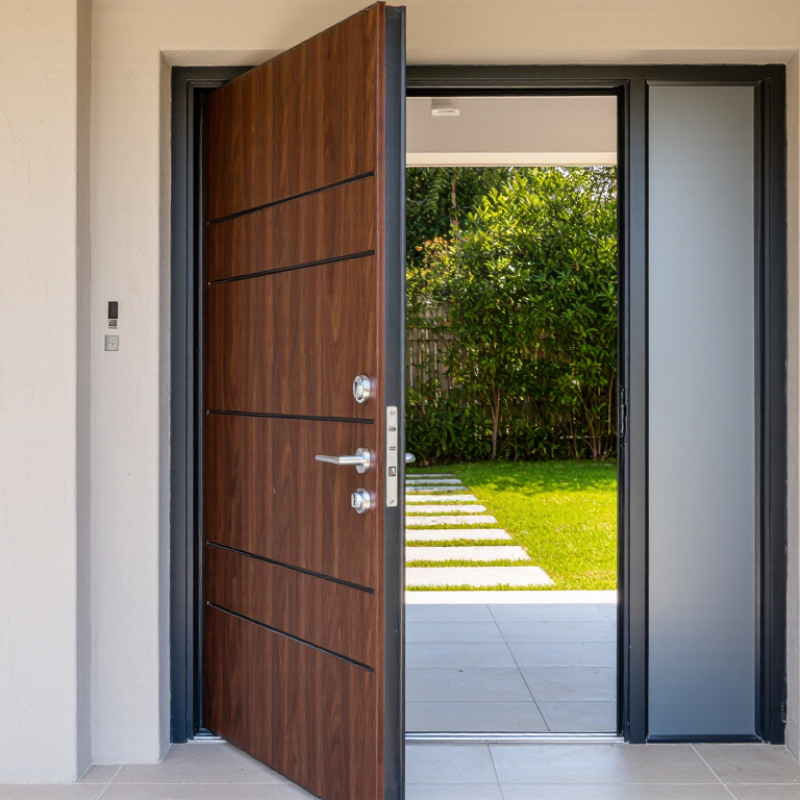
2026 Best Doors for Global Buyers Are Our Doors Worth It?

What Defines the Best Doors for Global Buyers in 2026

What Defines the Best Doors for Global Buyers in 2026

For global buyers, the best doors must perform beyond a showroom display. They should handle local weather, daily use, and changing energy needs. In my experience, coastal homes need corrosion-resistant hardware and sealed frames. Cold regions require strong insulation around the threshold. Hot climates benefit from heat-resistant finishes and controlled glass exposure. Small details matter.

Security also depends on practical engineering. A reliable door should close evenly, resist forced pressure, and support tested locking systems. Buyers should request documented performance data, installation instructions, and warranty terms. Clear documentation builds trust across languages and markets. It also reveals weak promises.

Material selection deserves careful attention. Recycled metal, responsibly sourced timber, and durable composites can reduce replacement frequency. Yet no material fits every property. I once favored a heavier door, but its weight complicated installation and strained the hinges. That was a useful mistake. Good design balances strength, maintenance, appearance, and local repair access. Measurements should include wall thickness, opening direction, drainage, and threshold height. A door can be technically excellent and still fail when installers lack training. After-sales support, spare parts, and realistic delivery schedules often define long-term value. Global buyers are not purchasing a panel alone. They are purchasing dependable performance under unfamiliar conditions.
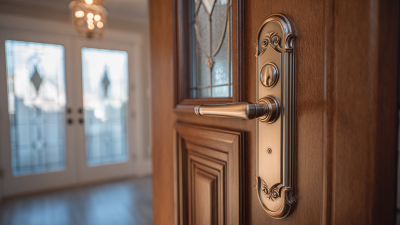

Door Types, Materials, Designs, and Performance Standards

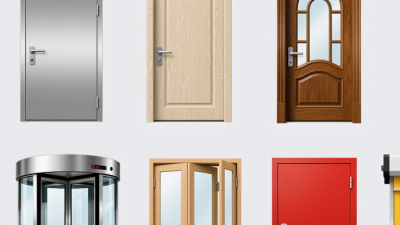
For global buyers, the best door is not always the most expensive one. It should match the building, climate, security needs, and daily use. Entry doors need strong frames, reliable hinges, and weather seals. Interior doors may focus more on privacy, sound control, and appearance. Sliding, folding, pivot, and hinged designs each solve different space problems.

Material selection affects comfort and service life. Solid timber offers warmth and can be repaired, but it needs careful moisture control. Steel provides strength and fire resistance, while aluminum resists corrosion and supports slim profiles. Fiberglass can deliver stable performance in humid areas.

Glass panels add daylight, yet they require suitable safety glazing and accurate installation. A small gap around the frame can create noise, drafts, and water trouble.

Design should support real habits. A wide opening helps moving furniture, while a low threshold improves access. Check thermal insulation, air leakage, water resistance, wind pressure, impact strength, and fire performance. Test reports should identify methods, ratings, and product sizes, not vague claims.

Regional building requirements also matter. A door that performs well in a dry climate may struggle beside a coastal road. We have seen attractive doors fail because installers ignored drainage and alignment. That mistake is worth remembering. Performance depends on the complete system, including the frame, hardware, seals, and installation.%timeout

How to Evaluate Door Quality, Security, Energy Efficiency, and Durability

Choosing a door for international use requires more than attractive photographs. Start with the core: frame strength, panel construction, hardware quality, and accurate installation. A well-made door should close evenly without rubbing, twisting, or leaving visible gaps. Ask for material specifications, test reports, and maintenance guidance. Small details matter.

Security depends on the complete system, not only the lock. Check hinge protection, cylinder resistance, reinforced strike areas, and the thickness of the frame. A strong panel can still perform poorly if the frame is weak or badly anchored. Request evidence from recognized testing laboratories when available. Avoid vague claims such as “maximum security.” They sound impressive but prove little.

Energy efficiency should be judged by the whole assembly. Look for reliable U-value data, tight weather seals, insulated cores, and thermal-break components where appropriate. Test the seal with a thin sheet of paper; it should meet firm resistance when the door closes. Durability also depends on climate. Salt air, intense sunlight, freezing temperatures, and heavy rain require different finishes and drainage details. A perfect door does not exist. In practice, even a quality product can underperform after careless shipping or installation. That is the part many buyers overlook. Compare warranty terms, spare-part access, inspection procedures, and installation support before ordering. Pay attention to what is not clearly explained.

2026 Best Doors for Global Buyers: Are Our Doors Worth It?

How to evaluate door quality, security, energy efficiency, and durability

How to read the chart: Lower U-factor values indicate better thermal insulation and lower heat transfer. The figures below are representative performance levels for commonly used exterior door constructions; actual results depend on the complete door assembly, glazing, weather seals, installation, and local climate.

Buying checklist: Confirm independently tested air-leakage and water-resistance results, use a certified deadbolt and reinforced strike plate, inspect hinge and frame strength, and request durability or cycle-test evidence. A well-installed insulated door with continuous weather seals generally provides the best balance of energy efficiency, security, and long-term performance.

Comparing Costs, Customization, Warranties, and International Delivery

For global buyers, a door quote is only the opening number. The 2024 Cost vs Value Report recorded about 188% cost recouped for U.S. steel entry-door replacement. That is a resale benchmark, not a promise. Freight, taxes, local labor, and wall dimensions can change the final price. Compare delivered cost, not factory price. Request a line-item quote covering crating, insurance, customs charges, and last-mile handling.

Customization should solve measured problems, not simply add decoration. Confirm thermal performance, glazing, swing direction, threshold height, corrosion resistance, and hardware compatibility. The International Energy Agency reports that buildings consume roughly 30% of global energy demand. A poorly sealed entry door can increase drafts and indoor discomfort. Warranty language deserves equal attention. Check coverage length, finish exclusions, installation responsibility, and the claim process. A ten-year finish warranty may exclude coastal exposure or improper maintenance.

International delivery introduces less visible risk. The World Bank’s 2023 Logistics Performance Index evaluates customs, infrastructure, shipment arrangements, service quality, and timeliness. Ask whether the seller provides tracking, export documents, and damage procedures. Photograph the crate before opening it. Keep installation records. I would not trust an attractive warranty without a clear local service route. Lead times also need realism; “ready to ship” may describe production, not delivery. The cheapest door can become expensive after delays, unsuitable fittings, or replacement freight.

2026 Best Doors for Global Buyers: Are Our Doors Worth It? — Comparing Costs, Customization, Warranties, and International Delivery

Independent benchmark for standard residential exterior doors; prices and delivery periods are typical market ranges and should be confirmed for the final specification and destination.

Comparison Category Steel Doors Fiberglass Doors Solid Wood Doors Aluminum Doors Composite Doors
Typical Product Cost
(USD per door)
$250–$1,200
Common entry and exterior models
$400–$1,800
Mid-range to premium insulated models
$800–$3,500+
Varies significantly by wood species and construction
$700–$3,000+
Higher for thermally broken systems and large glazing areas
$900–$2,800
Premium insulated residential models
Typical Installed Cost
(USD)
$700–$2,500
Installation, hardware, and finishing included in the estimate
$900–$3,200
Depends on frame replacement and glazing options
$1,400–$5,500+
May require specialist fitting and finishing
$1,500–$5,000+
Installation can be higher for custom frames
$1,600–$4,800
Usually supplied as a complete door set
Customization Options
  • Common sizes and colors
  • Embossed panels and decorative glass
  • Security hardware options
  • Many wood-grain and paint finishes
  • Multiple glass designs
  • Custom panel layouts
  • Broadest choice of species and stains
  • Carving, panels, sidelights, and transoms
  • Highly flexible bespoke designs
  • Wide range of powder-coat colors
  • Large glass areas and slim profiles
  • Custom dimensions available
  • Wide choice of colors and textures
  • Decorative glass and hardware choices
  • Good flexibility for non-standard sizes
Thermal Performance Good when insulated with a thermal core and weather-sealed frame; typical whole-door U-values are approximately 1.2–2.0 W/m²K. Very good because the material does not readily conduct heat; typical whole-door U-values are approximately 0.8–1.6 W/m²K. Moderate to good; performance depends on thickness, construction, glazing, and weather seals; approximately 1.2–2.2 W/m²K is common. Good when thermally broken; non-thermal aluminum frames can perform substantially worse. Typical range is approximately 1.0–2.0 W/m²K. Very good due to insulated cores and composite skins; typical whole-door U-values are approximately 0.7–1.4 W/m²K.
Weather and Corrosion Resistance Good with galvanized steel, durable coating, and regular protection of exposed edges; scratches should be repaired promptly. Very good resistance to moisture, rust, and salt air; finish quality still affects long-term appearance. Good when correctly sealed and maintained; vulnerable to moisture movement, swelling, and prolonged direct exposure if poorly finished. Very good resistance to rust and moisture; coastal environments require suitable alloy, coating, and hardware specifications. Very good resistance to moisture, rot, and everyday weathering; quality varies by skin and core construction.
Maintenance Requirements Low to moderate; clean surfaces and inspect seals and coating annually. Low; clean periodically and inspect weather seals and hardware. Moderate to high; inspect and renew protective finishes according to exposure, commonly every 2–5 years. Low; clean surfaces and check drainage channels, seals, and moving hardware. Low; routine cleaning and occasional hardware and seal adjustment are normally sufficient.
Security Potential High when combined with a reinforced frame, multi-point locking system, and laminated or protected glazing. High when paired with a reinforced frame and quality locking system; the door material alone does not determine security. Moderate to high depending on thickness, joinery, reinforcement, frame, and lock specification. High when supplied with reinforced profiles, secure glazing, and a tested locking system. High when manufactured with a reinforced core, strong frame, and multi-point locking system.
Typical Manufacturer Warranty 5–10 years for the door slab is common; finishes, hardware, and glass may have separate terms. 10–20 years for the slab is common; finish and hardware coverage may be shorter. 1–5 years is common for workmanship and finish; maintenance conditions are usually stricter. 5–10 years is common for the frame or finish; hardware and moving components may carry shorter coverage. 10–20 years is common for the slab; seals, hardware, and decorative finishes may have separate coverage.
Typical Production Lead Time 2–6 weeks for standard sizes; custom colors and glazing may extend the schedule. 3–8 weeks depending on glazing, finish, and frame configuration. 6–14 weeks for bespoke designs, special timber, or hand finishing. 6–12 weeks for custom profiles, glazing, and powder-coat colors. 5–10 weeks depending on dimensions, finish, and hardware package.
Typical International Delivery 4–10 weeks after production by consolidated ocean freight; air freight is faster but significantly more expensive. 4–10 weeks after production; export packaging should protect glazing, corners, and finished surfaces. 5–12 weeks after production; moisture-controlled packaging is important for long-distance transport. 5–12 weeks after production; oversized units may require special handling or crating. 5–12 weeks after production; complete door sets usually require reinforced export crates.
International Shipping Considerations Usually efficient to pack and ship; confirm corrosion protection for humid or coastal destinations. Lightweight relative to many solid doors; protect corners and glazing from impact during multimodal transport. Higher weight and greater sensitivity to humidity; use sealed, moisture-resistant packaging and allow acclimatization before installation. Light to moderate weight; confirm packaging against scratches, salt exposure, and profile deformation. Moderate weight; export crating and edge protection are recommended for long-distance delivery.
Best Overall Use Value and security
Suitable for budget-conscious buyers seeking a durable exterior door.
Balanced performance
Strong choice for energy efficiency, low maintenance, and design flexibility.
Premium appearance
Best for architectural character and highly customized projects.
Modern designs
Well suited to large glazing areas, contemporary architecture, and slim profiles.
Long-term comfort
Strong option for insulation, weather resistance, and reduced maintenance.
Data basis: Ranges represent typical 2026 market conditions for residential exterior doors in standard single-door configurations. Product price excludes duties, taxes, local permits, unusual structural work, and final-site installation conditions. Actual performance, warranty coverage, and delivery time depend on the selected specification, destination country, testing standards, and shipping method.

Buyer checklist: Confirm opening dimensions, local building-code requirements, U-value or energy-label standards, wind-load rating, glazing safety requirements, Incoterms, import duties, packaging specifications, warranty exclusions, and after-sales support before placing an international order.

Are Our Doors Worth It for Different Global Buyer Needs?

Are our doors worth it for different global buyer needs? The answer depends on climate, building use, and installation quality. In hot regions, insulated panels and low solar heat gain can reduce indoor cooling pressure. In colder markets, tight seals help limit drafts around the frame. Small gaps matter.

The UNEP Global Status Report for Buildings and Construction 2024 reports that buildings consume 32% of global energy. It also attributes 34% of global carbon emissions to the sector. These figures make thermal performance more than a marketing feature. Our doors can support efficiency when their U-values, air leakage ratings, and glazing specifications match local conditions. However, performance falls quickly after poor installation. We should not pretend otherwise.

Security needs also differ. A residential buyer may value multi-point locking, while a commercial facility may need certified fire resistance and frequent-use durability. Buyers should request test reports, warranty terms, replacement-part availability, and installation guidance. ISO 10077-1 provides methods for calculating doorset thermal performance, but laboratory data cannot represent every building. That is an uncomfortable limitation.

Accessibility deserves equal attention. Clear opening width, threshold height, operating force, and weather protection affect daily use. In remote markets, simple hardware may be more valuable than complex electronics. A cheaper door may appear attractive, yet freight, maintenance, and energy costs can change the final calculation. Not perfect. Still measurable. A fair comparison should consider the full service life, not only the invoice price.

Top