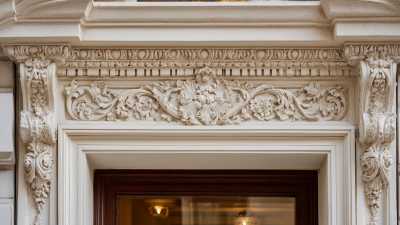
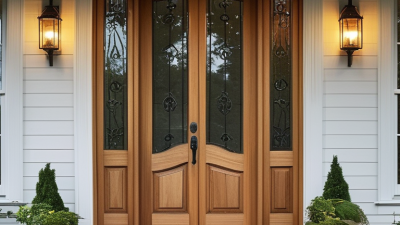
A front door is often the first detail visitors notice, but its trim has a tougher job than making an entrance look finished. Exterior door moulding must frame the opening cleanly, meet the door and siding without awkward gaps, and withstand sun, rain, and seasonal movement. Small flaws show. A corner that opens after one wet winter can spoil an otherwise careful installation.
Architect Ludwig Mies van der Rohe is often credited with the observation, “God is in the details.” It is a useful design principle for exterior door moulding, even though a good-looking profile alone cannot guarantee performance. Buyers comparing China’s manufacturers should look beyond catalog photos. Ask about material composition, profile consistency, protective coatings, dimensional tolerances, and how samples are checked before production. Request clear drawings and a physical sample when possible. Hold it beside the door. Check the edges and finish in natural light.
This guide introduces manufacturers that serve different project needs, from straightforward replacement trim to more decorative profiles. It also considers practical questions: Can the supplier make the required dimensions? Are packaging and lead times explained clearly? Does the finish suit the project’s climate and maintenance plan? These details deserve confirmation, not assumptions. A polished website is not proof of reliable quality, and one sample may not represent every production run. That is worth remembering. The right manufacturer is not simply the one with the widest catalog, but the one whose specifications, communication, and delivered product hold up under scrutiny.
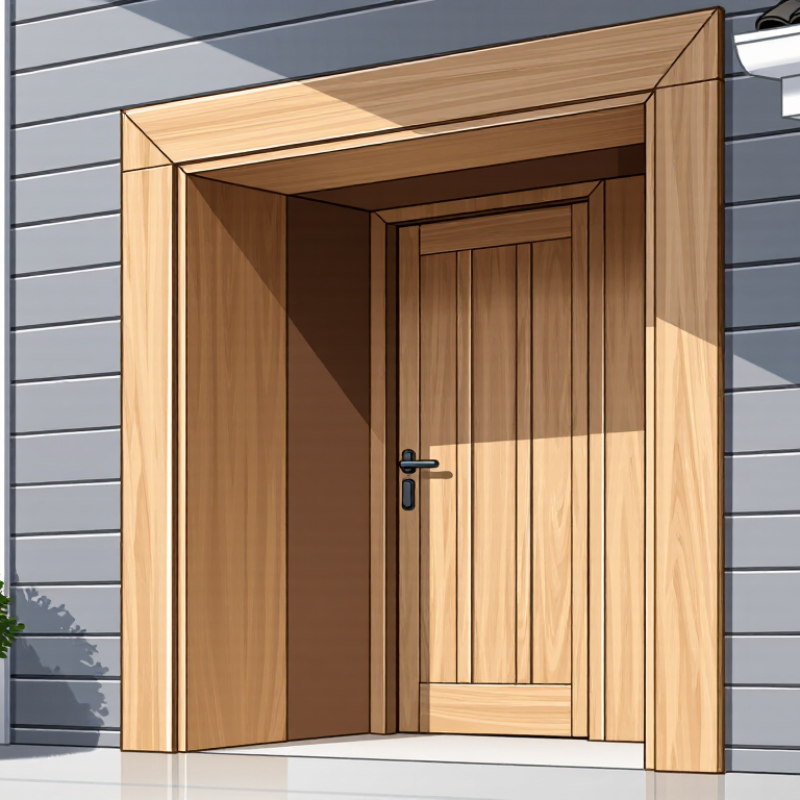
Exterior door moulding, also called exterior casing, frames the opening and covers the narrow joint between the door frame and wall. It gives an entry a finished edge and can help shed rain when shaped and installed correctly. The profile should suit the siding and door scale. Broad, flat casing can look calm on a modern façade, while a stepped profile adds shadow to a traditional entrance. Details matter.
Material choice depends on exposure, upkeep, and wall construction. Painted wood is easy to cut and repair, though unsealed end grain can absorb water. Cellular PVC resists moisture and insects, but expands with temperature changes and needs suitable fasteners. Fiber cement is stable outdoors, yet cutting it creates dust and requires careful handling. None is maintenance-free. That bears repeating.
During installation, check that the jamb is square, keep the reveal consistent, and fit the head trim to direct water outward. Flashing behind the upper casing matters more than caulk alone. Seal cut ends, keep joints tight, and inspect paint or sealant after harsh weather. Small gaps invite water. Look closely after the first rain; even careful work can miss a corner.
Exterior door moulding, also called exterior casing or door trim, covers the joint between a door frame and the surrounding wall, helps shed water when correctly detailed, and provides a finished appearance. Product dimensions and performance vary by design, material, finish, and installation.
| Moulding Type or Material | Typical Uses | Common Product Details | Advantages | Key Considerations | Suitable Finishes and Care |
|---|---|---|---|---|---|
| Primed solid wood casing | Traditional residential entrances and projects where painted trim is preferred. | Profiles range from simple flat boards to decorative shapes. Stock dimensions vary by supplier; common casing widths are approximately 2¼–3½ in. (57–89 mm). | Easy to cut, fasten, repair, and paint; offers a natural material appearance. | Wood can absorb moisture, swell, shrink, or decay if exposed to water or left unsealed. Use suitable exterior-grade stock and protect cut ends. | Apply an exterior primer and paint or another coating approved for the wood. Inspect joints and coating regularly. |
| Finger-jointed wood casing | Painted exterior trim where consistent lengths and a smooth finish are required. | Made from shorter wood pieces joined lengthwise; available in a variety of standard and custom profiles. | Can provide long, straight lengths and make efficient use of wood components. | Confirm that the product is rated for exterior use and that joints are properly sealed and covered with a compatible coating. | Prime and paint according to the product instructions. Keep exposed edges and installation cuts protected. |
| PVC or cellular PVC trim | Entrances exposed to rain or damp conditions, and locations where low routine maintenance is desired. | Available as solid or cellular profiles, typically in paintable boards and moulded shapes; thickness and width depend on the product. | Does not rot and is resistant to moisture. Many products can be cut with standard woodworking tools. | Thermal expansion can be greater than with wood. Follow manufacturer guidance for fastening, spacing, joints, and paint compatibility. | Some products can remain unpainted; others are paintable. Use coatings and cleaning methods approved for the specific PVC product. |
| Fibre-cement trim | Exterior door surrounds on buildings using fibre-cement or other durable cladding systems. | Supplied as flat trim boards in various widths and thicknesses; some profiles can be created with trim components. | Non-wood composition; offers resistance to rot and insect damage when installed and maintained as directed. | Cutting can create respirable dust, so follow product safety instructions and use appropriate controls. Correct clearances and flashing remain essential. | Factory-finished or field-painted options are available. Seal or coat cut edges as directed by the manufacturer. |
| Engineered wood trim | Painted exterior applications requiring uniform boards and repeatable profiles. | Manufactured in board form and may be cut into casing pieces or supplied in shaped profiles. | Consistent dimensions can simplify fitting and finishing compared with some natural-wood stock. | Exterior suitability depends on the product. Protect edges, maintain specified ground clearances, and prevent prolonged water exposure. | Use the specified primer and exterior topcoat. Maintain coatings and caulked joints in line with product instructions. |
| Aluminium trim or cladding | Modern entrances, metal-clad door systems, and installations needing a metal finish or coordinated exterior detailing. | Often formed as flat or folded sections; profile shape, thickness, and finish are project-specific. | Lightweight, corrosion-resistant finishes are available, and metal trim can coordinate with aluminium door components. | Detailing must manage water and allow for movement. Check compatibility with adjacent materials and avoid damage to protective coatings. | Available with factory-applied finishes. Clean with methods approved for the coating and avoid abrasive products. |
| Stone or composite decorative surround | Feature entrances, classical façades, or projects using masonry and architectural accents. | May include pilasters, head pieces, keystones, or shaped surround components; dimensions are generally project-specific. | Creates a pronounced architectural frame and can coordinate with masonry finishes. | Weight, anchoring, substrate capacity, drainage, and movement joints must be considered in the design and installation. | Care depends on the material and finish. Use cleaning and sealing products recommended for the specific surround. |
| Flat-board casing with a drip detail | Contemporary entrances where a clean-lined appearance and simple trim geometry are desired. | Typically uses straight boards around the jamb; a separate head flashing or drip detail may be incorporated above the door. | Simple to specify and coordinate with many façade styles; fewer decorative features can make the layout straightforward. | The trim itself is not a substitute for flashing or a properly integrated water-management system. Follow local building requirements. | Finish according to the selected material. Inspect the head, joints, and surrounding sealant periodically. |