Best Entry Door Exterior Trim Options for Your Home?
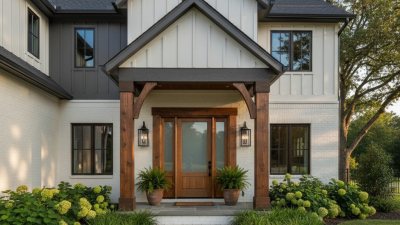
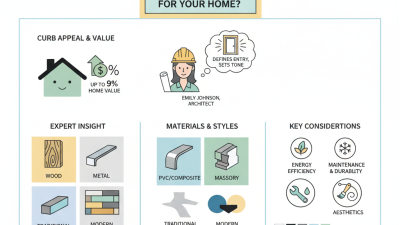
When it comes to enhancing your home's curb appeal, the choice of entry door exterior trim can make all the difference. John McGee, a renowned expert in architectural design, once stated, "The right trim not only frames the door but also defines the style of your home." Selecting the right trim ensures that your entry door stands out while complementing your home’s overall aesthetics.
There are various materials available for entry door exterior trim, each offering unique benefits. Wood trim can provide a classic, warm appearance but may require more maintenance. In contrast, vinyl or composite materials offer durability and lower upkeep costs. Homeowners should consider their local weather conditions and architectural style before deciding.
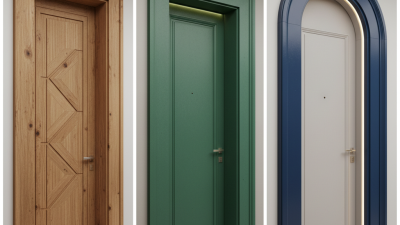
Moreover, the finish of the trim can affect the door's impact. Bold colors can create a striking contrast, while neutral shades can bring a sense of elegance. It's essential to balance aesthetics with functional needs. In the end, choosing the right entry door exterior trim is both an art and a science, influencing the first impression of your home.
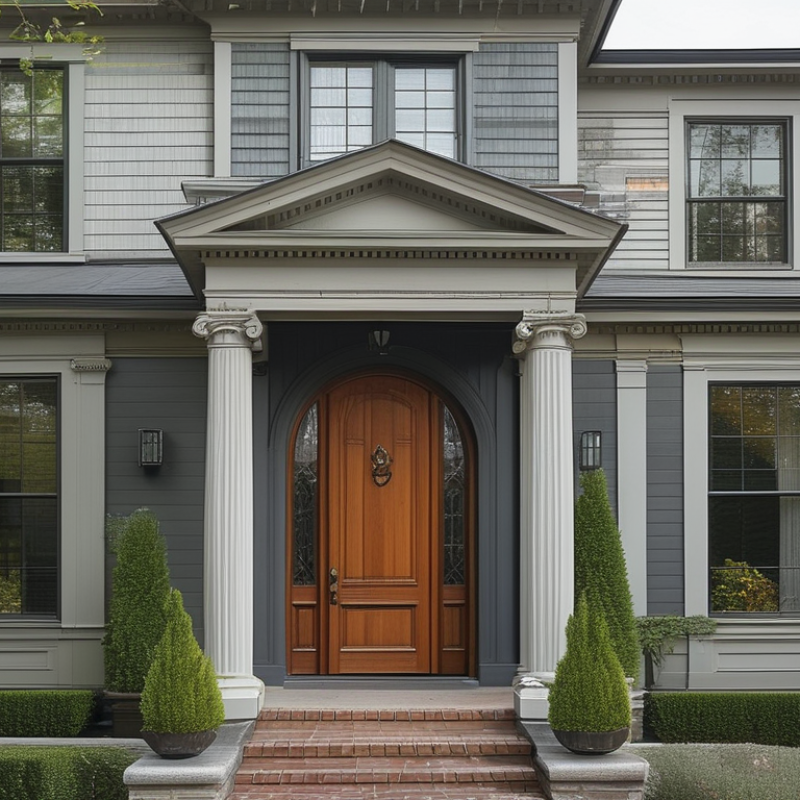
Best Materials for Entry Door Trim: A Comparative Analysis
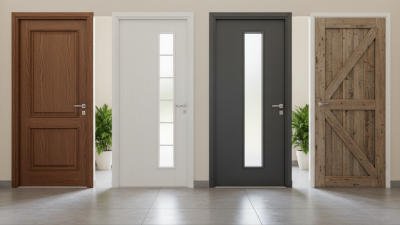
When choosing the best materials for your entry door trim, several factors come into play. Wood is a traditional choice. It offers warmth and natural beauty. However, wood requires regular maintenance. It's prone to warping and rotting if not cared for properly. If you lean towards elegance, consider composites. They mimic the look of wood but resist the elements better.
Vinyl is another option. It is easy to install and available in various colors. Its low maintenance makes it appealing. However, some find it less appealing than wood or composites. Metal trims, often aluminum or steel, provide durability and security. They withstand harsh weather and are available in many styles. The downside? They can be prone to dents and scratches.
Each material has unique characteristics. Wood may feel inviting, yet it demands effort. Composites offer resilience but might lack the authentic touch. Vinyl provides practicality, but it can look artificial. Metal ensures strength, yet aesthetics can be a concern. Reflecting on these choices helps you make informed decisions.
Standard Dimensions for Exterior Door Trim: Industry Guidelines
When it comes to choosing exterior door trim, understanding the standard dimensions is crucial. Typically, the overall height for exterior trim should be around 80 inches, aligning with standard door heights. Width can vary widely, but a common measurement is between 3 to 5 inches. This ensures a balanced look and adequate coverage around the door frame.
The depth of the trim often complements the door’s thickness, usually ranging from 1 to 2 inches. For an added touch, consider decorative profiles. These can change the visual appeal dramatically. However, it’s essential to assess whether such styles blend with your home’s architecture. Be mindful of the possible need for adjustments based on personal preferences and local building codes.
Installation often reveals surprises. Imperfections in the wall or uneven flooring can complicate the process. It’s crucial to measure twice and cut once, but even then, gaps may appear. Addressing these issues with caulk or wood filler can elevate your trim’s finish. Ultimately, knowing these guidelines helps in making informed design choices, enhancing both function and aesthetics.
Aesthetic Trends in Entry Door Trim: Balancing Style and Functionality
Choosing the right trim for your entry door is essential. It enhances your home's curb appeal. Trim options vary widely. You can opt for wood, vinyl, or metal. Each material offers its unique aesthetic and functional benefits.
Wood provides warmth and elegance. Yet, it requires regular maintenance. Vinyl is durable and low-maintenance. But it may lack the charm of natural materials. Metal options are sleek and modern, but they can be prone to rust.
When considering trim, think about your home’s style. Traditional homes benefit from ornate, detailed trim. Modern homes often favor clean lines and minimalistic designs. The colors you choose also impact the overall look. Bold colors can create a striking appearance, while neutral shades blend seamlessly.
Tips: Always consider your local climate when selecting materials. Humidity can warp wood, while extreme heat can fade colors. Experiment with different textures to create visual interest. Take your time to visualize how each option will look. Mistakes in choice can lead to costly alterations. Reflect on your daily entry experience, ensuring the trim serves a functional purpose while complementing your style.
Cost Analysis of Trim Options: Budgeting for Your Home's Entryway
When upgrading your home's entryway, choosing the right trim is essential. Various materials and styles can greatly impact the overall aesthetic of your door. Wood, vinyl, and composite options each come with different price points. Wooden trims often give a classic look, but they require regular maintenance. Vinyl trims are more affordable and resistant to weather, yet they may lack the charm of natural wood.
Budgeting for these trims involves considering initial costs and long-term maintenance. For instance, while wood may be pricey upfront, its durability could save you money over time. Compare the average pricing—wood can range from $150 to $300, while vinyl may cost between $75 and $200. Keep in mind that installation fees can also add up. Do-it-yourself installation could be a way to save cash, but be prepared for possible challenges.
Reflect on the climate in your area, too. In harsh conditions, lower-cost materials might deteriorate quicker than expected. A trim with poor weather resistance can lead to future repairs. Carefully weigh your choices by analyzing both upfront costs and long-term implications. This thoughtfulness will ensure you invest wisely in your home's entryway.
Best Entry Door Exterior Trim Options for Your Home? - Cost Analysis of Trim Options: Budgeting for Your Home's Entryway
| Trim Material |
Estimated Cost per Linear Foot |
Durability (Years) |
Maintenance Level |
| Vinyl |
$5 - $7 |
20+ |
Low |
| Wood |
$8 - $12 |
10 - 15 |
High |
| Composite |
$6 - $10 |
15 - 20 |
Medium |
| Fiberglass |
$9 - $14 |
25+ |
Low |
| Aluminum |
$7 - $11 |
20+ |
Medium |
Installation Techniques for Exterior Trim: Best Practices and Tips
When installing exterior trim around your entry door, proper technique is key. Begin by measuring your door frame accurately. Use a level to ensure that your trim pieces sit straight. Cutting the trim at 45-degree angles at the corners can create a professional finish. However, this requires precise measurements. A small error in cutting can lead to gaps that may need extra filler.
Tips for installation include using a high-quality adhesive. Properly applying it to the back of the trim can prevent shifting. In humid areas, a durable sealant is advisable. This helps protect against moisture damage. Pay attention to the weather conditions during installation. Cold or rainy weather can affect adhesion.
Always remember to prime and paint your trim after installation. This adds a protective layer and improves aesthetics. However, be aware that some types of paint might require multiple coats. It's normal to need adjustments, so don't rush the process. If something doesn't fit right, remeasure before making a cut. Reflecting on these steps can lead to a better installation outcome.