Blog

How to Choose the Right Entry Door for Your Home?

Choosing the right door entry door affects security, comfort, energy use, and your home’s first impression. It should withstand daily use, changing weather, and occasional careless handling. A beautiful door can still disappoint if it leaks air, swells in rain, or has weak hinges.

Real home projects show why careful measurement matters. Check the opening width, height, depth, sill condition, and swing direction before comparing designs. Measure twice. A small mistake can create expensive installation problems. Consider fiberglass, steel, or solid wood according to your climate, maintenance expectations, and budget. Fiberglass often resists moisture, while steel provides strength but may dent. Wood offers warmth and character, yet it needs regular sealing.

Security requires more than a heavy slab. Look for reliable locks, reinforced strike plates, strong hinges, and suitable glass protection. Weatherstripping should press evenly around the frame. A qualified installer can identify structural issues that online product photos cannot reveal. Energy labels and manufacturer specifications also deserve attention, although ratings do not explain every real-world condition.

Style still matters. The door should complement the roofline, exterior color, and nearby windows. Consider daylight, privacy, and visibility from the hallway. Dark finishes can look elegant, but they may fade under intense sunlight. I would not choose solely by appearance; that is an easy mistake. A sensible decision balances performance, installation quality, maintenance, and long-term comfort. This guide explains the practical questions homeowners should ask before ordering.
How to Choose the Right Entry Door for Your Home?

Define Your Home’s Entry Door Requirements

Before choosing an entry door, define how your household actually uses the entrance. Measure the rough opening, wall thickness, threshold height, and available swing space. A beautiful door will fail if furniture blocks it or the frame fits poorly. Consider your climate, too. Wind-driven rain, direct sunlight, freezing temperatures, and coastal air each demand different materials and finishes. If energy efficiency matters, check the door’s insulation value, weatherstripping, glazing, and threshold design. A door with glass may brighten a hallway, but it can also reduce privacy and increase heat gain.

Tips: Write your requirements before browsing styles. Separate essentials from preferences. Include width, accessibility, security hardware, maintenance, daylight, and budget. Ask an experienced installer to confirm measurements and review local building requirements. Small errors can create drafts, water entry, or difficult operation.

I once focused too heavily on appearance and overlooked the daily effort of opening a heavy door. That choice looked refined, but it was inconvenient during grocery trips. Think about children, older adults, pets, and packages. A lever handle may be easier than a knob, while a low-maintenance finish can save repeated work. Avoid choosing security features by appearance alone; use tested components and professional installation. Your requirements may conflict. More glass can mean less privacy, and thicker construction may require stronger hinges. Review those compromises honestly before ordering.

How to Choose the Right Entry Door for Your Home? - Define Your Home’s Entry Door Requirements

Requirement Questions to Ask Recommended Target Suitable Door Features Priority
Climate and Weather Is the entrance exposed to rain, snow, strong sunlight, humidity, or coastal air? Select a door and finish rated for the local exposure level. Weather-resistant finish, corrosion-resistant hardware, drip cap, adjustable threshold, and exterior-grade sealant. High
Energy Efficiency Do you need to reduce drafts, heating costs, or cooling loss? Prioritize a well-insulated door system with continuous weatherstripping. Insulated core, low-emissivity glazing where appropriate, tight perimeter seals, and a thermally improved frame. High
Security Does the entrance need enhanced resistance to forced entry? Use a reinforced door assembly rather than relying on the door slab alone. Multi-point or high-quality single-point lock, reinforced strike area, long mounting screws, solid hinges, and laminated or tempered safety glass where needed. High
Maintenance How much time and upkeep are you willing to provide? Choose a surface that matches your maintenance routine. Fiberglass or coated steel generally requires less routine refinishing than exposed natural wood; wood may need periodic sealing or repainting. Medium
Material Selection Which balance of appearance, durability, insulation, and upkeep is most important? Compare the complete door system, including frame, glazing, hardware, and finish. Steel for strength and value; fiberglass for low maintenance; wood for natural appearance; aluminum for lightweight, corrosion-resistant applications when properly specified. High
Door Size and Configuration Is the opening standard, oversized, narrow, or designed for an active and inactive leaf? Measure the rough opening, finished opening, jamb depth, swing direction, and clearance. Single door, double door, door with sidelites, transom, outswing, or inswing configuration based on the available space and local requirements. High
Natural Light and Privacy Do you want daylight without reducing privacy or security? Select glazing based on visibility, privacy, impact resistance, and solar exposure. Small glazed panels, textured or frosted glass, laminated safety glass, insulated glazing, or sidelites with appropriate privacy control. Medium
Accessibility Will children, older adults, mobility devices, or delivery carts use the entrance? Provide a clear, convenient path with manageable operating force. Adequate clear width, low or beveled threshold, lever handle, accessible approach, and sufficient landing space. High
Budget What is the total budget, including installation, hardware, trim, and disposal? Compare installed cost rather than the door slab price alone. Allow for framing repairs, flashing, locksets, sidelites, finishing, labor, permits, and future maintenance. High
Local Building Requirements Are there requirements for wind, fire, egress, energy performance, or safety glazing? Verify applicable local codes before ordering. Code-compliant dimensions, safety glazing, fire-rated construction where required, and tested performance for the local climate zone. High
Practical selection rule: Choose the entry door as a complete system. The slab, frame, threshold, weatherstripping, glazing, locks, installation, and surrounding wall condition all affect the final performance.

Compare Entry Door Materials and Their Performance

How to Choose the Right Entry Door for Your Home?

Choosing an entry door starts with material performance, not appearance alone. Solid wood offers warmth, texture, and strong insulation when properly maintained. However, it can swell, shrink, or warp in changing humidity. Fiberglass usually provides better stability. It resists moisture, dents, and temperature changes, while still imitating natural wood. Steel doors often deliver excellent security and value. Their painted surfaces may scratch, and exposed edges can eventually rust.

Your local climate should influence the decision. In a wet coastal area, fiberglass may need less maintenance than wood. In a cold region, compare the door’s insulation value, weatherstripping, and frame construction. A well-fitted steel door can perform poorly if air leaks around the frame. I learned this through a renovation where the door itself was strong, but installation gaps caused a cold hallway. Material matters. Installation matters more than many homeowners expect.

Tips: Check the frame, threshold, hinges, and seals together. Open and close the sample several times. Feel for drafts near the corners. Ask about repair options, not only warranty length. Dark finishes can become very hot in direct sunlight. Also, consider daily use: muddy shoes, pets, deliveries, and children can reveal weaknesses quickly. A beautiful door may still be the wrong choice if its maintenance demands exceed your routine.

Select the Right Door Style, Size, and Configuration

How to Choose the Right Entry Door for Your Home?

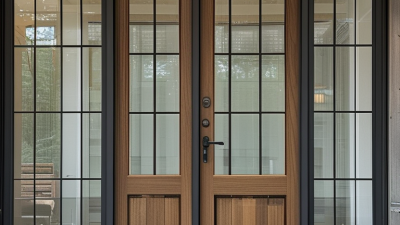
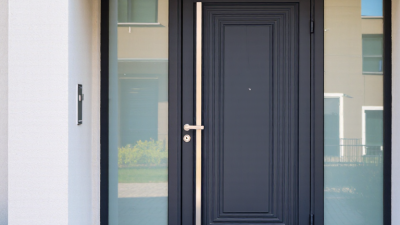
A suitable entry door should match your home’s architecture and your daily routine. A traditional six-panel door can complement a classic facade, while a flush door often suits a clean, modern exterior. Glass panels bring daylight into a dark hallway, but they may reduce privacy. Consider frosted or textured glass if the entrance faces a busy street. Small details matter. The handle should feel comfortable, and the door swing should not strike nearby furniture or walls.

Measure the opening carefully, including width, height, jamb depth, and threshold condition. Do not rely on an old door’s listed size. I once underestimated a slightly uneven frame, which created installation delays and extra adjustments. Leave room for proper shimming and weather sealing. The finished door should open smoothly without rubbing the floor. A wider single door may feel welcoming, but a narrow entryway could work better with a single active door and a fixed side panel.

Configuration affects both appearance and function. An outswing door can save interior space, while an inswing door may offer more convenient operation in some layouts. Check clearance for steps, railings, lighting, and seasonal decorations. Sidelights can brighten the entrance, yet they require careful privacy planning. Think about deliveries, children, muddy shoes, and nighttime visibility. A beautiful choice can still be inconvenient. Take a second look before ordering.

Evaluate Energy Efficiency, Security, and Durability

How to Choose the Right Entry Door for Your Home?

An entry door should control heat, resist forced entry, and survive daily use. A beautiful door can still perform poorly. Check its U-factor first. Lower values usually indicate better insulation. The U.S. Department of Energy reports that air leakage can waste 5–30% of residential energy use. A tight frame and correctly installed weatherstripping matter as much as the slab. Look for independent ratings from the National Fenestration Rating Council, not only manufacturer claims.

Security requires more than a heavy door. The FBI’s 2022 Crime Data Explorer recorded over 800,000 burglary offenses nationwide, although it does not identify door types. Choose a solid or reinforced core, a strong frame, and a deadbolt with adequate throw depth. Inspect the strike area carefully. Short screws may hold only the trim, not the wall framing.

Durability also depends on exposure. Direct afternoon sun, coastal moisture, and repeated rain can damage unsuitable finishes. ASTM-tested hardware and corrosion-resistant fasteners provide useful evidence, but installation remains the weak point in many projects. I would not treat one specification as a final verdict.

Tips: Place your hand near the closed frame on a windy day. Noticeable air movement signals leakage. Measure the threshold after rain. Standing water suggests drainage problems. Ask for U-factor, air-leakage, water-resistance, and impact-test documentation. Keep the paperwork. Even experienced buyers sometimes focus too much on appearance and overlook the frame.

Plan Installation, Maintenance, and Long-Term Costs

Choosing an entry door is not only a design decision. Installation quality, upkeep, and energy performance shape its real cost. I once compared only the door price. That was a mistake. A cheaper slab can demand extra framing, threshold repairs, or repeated weatherstripping.

Measure the opening carefully before ordering. Check the wall condition, sill level, drainage, and door swing. Poor alignment can create visible gaps near the latch. The U.S. Department of Energy identifies air sealing as an important way to reduce household energy waste. ENERGY STAR estimates that sealing leaks and improving insulation can save households up to 10% on annual energy costs. A correctly installed insulated door helps, but it cannot compensate for a damaged frame.

Plan a maintenance budget from the start. Inspect weatherstripping each season, tighten loose hardware, and keep the threshold clear of grit. Refinish exposed wood before moisture causes swelling. Steel and fiberglass may need less attention, yet neither is maintenance-free. In the 2024 Cost vs. Value report, an entry-door replacement showed a high average resale-cost recovery rate. That figure is useful, but it is not a promise. Local labor, climate, security requirements, and installation defects can change the result. Ask for the full installed price, expected service life, warranty terms, and likely repair costs. The cheapest quote often leaves out disposal, trim work, or follow-up adjustments.

How to Choose the Right Entry Door for Your Home?

Compare representative U.S. planning estimates for installed cost and maintenance over the first 10 years. Actual prices vary by door size, glass, hardware, labor rates, and local climate.

Planning insight: Steel doors usually have the lowest initial cost, while fiberglass doors offer a balanced combination of durability and low maintenance. Wood doors can provide a longer service life but generally require more frequent refinishing and upkeep.

Top