What Are the Top Types of Outside Building Doors?
Choosing among outside building doors is not a purely visual decision. It affects security, weather resistance, energy use, accessibility, and daily maintenance.
The U.S. Department of Energy reports that windows alone can represent 25% to 30% of residential heating and cooling energy use. Exterior doors contribute through air leakage, glazing, poor seals, and thermal bridging. The impact varies by climate and installation quality. Small gaps matter. A cold draft near a lobby threshold is easy to feel, yet it may remain invisible during a quick inspection.
Reliable selection begins with measurable performance. The National Fenestration Rating Council evaluates products through U-factor, solar heat gain coefficient, visible transmittance, and air leakage ratings. These indicators help compare insulated steel doors, fiberglass doors, solid wood doors, aluminum-and-glass systems, and high-performance commercial entrances. For fire-rated openings, manufacturers and specifiers should verify tested assemblies, such as those evaluated under UL 10C or equivalent standards. The International Building Code also influences fire, egress, and accessibility requirements, depending on project location and occupancy.
The scale is substantial. The U.S. Energy Information Administration’s Commercial Buildings Energy Consumption Survey identified millions of commercial buildings across the country. Each entrance serves a different purpose. A warehouse needs impact resistance. A hotel may prioritize acoustics and appearance. A coastal facility needs corrosion protection. That assumption is useful, but incomplete. Door hardware, framing, weatherstripping, drainage, and installation often decide real-world performance. This guide examines the top types of outside building doors, while recognizing that no single material performs best in every building.
What Defines an Outside Building Door?
What Are the Top Types of Outside Building Doors?
What Defines an Outside Building Door?
An outside building door forms the boundary between an occupied space and outdoor conditions. It must manage weather, security, movement, and indoor comfort. Unlike an interior door, it faces rain, sunlight, wind, dust, and changing temperatures.
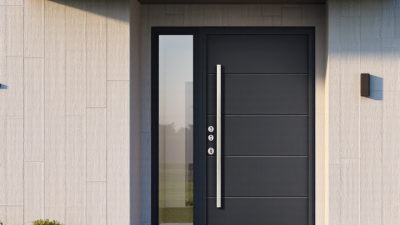
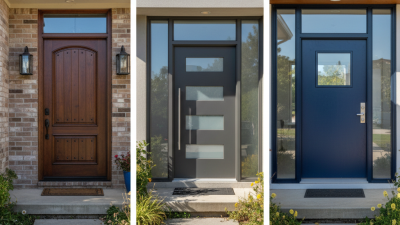
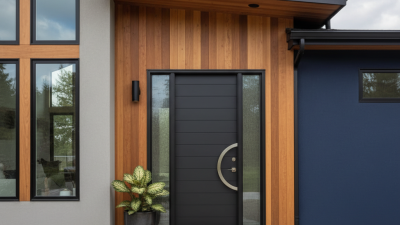
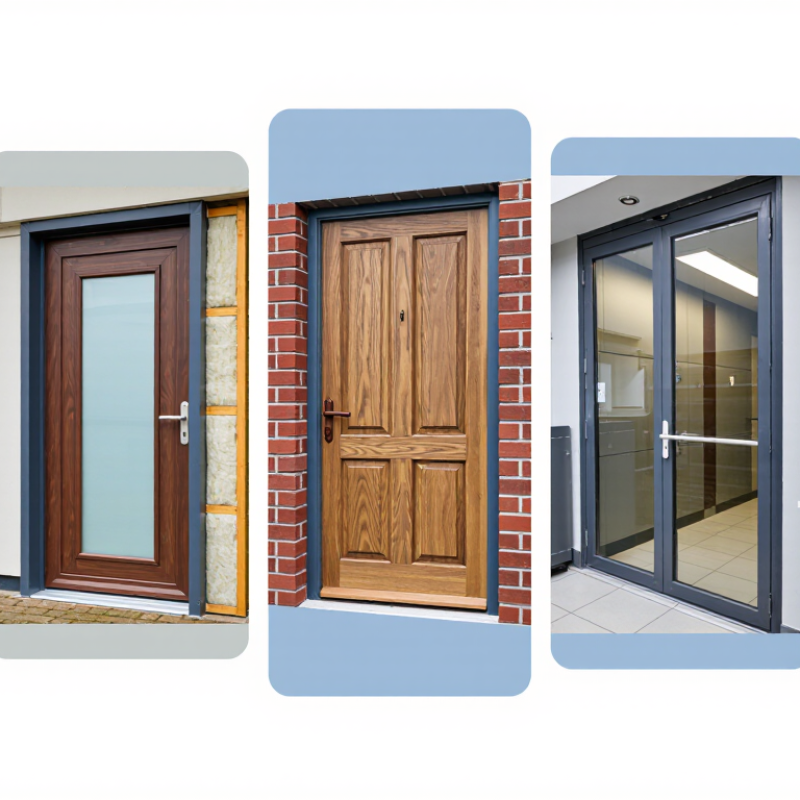
Common types include steel, fiberglass, wood, aluminum, and glazed entrance doors. Steel doors provide strong impact resistance and suit warehouses, workshops, and utility areas. Fiberglass doors resist moisture and often perform well in humid climates. Wood offers warmth and visual character, but it needs regular sealing. Aluminum and glass can create bright entrances, although their frames and seals require careful inspection.
The frame matters as much as the door slab. A poorly fitted frame can allow drafts, water, and unwanted noise. Look for weatherstripping that compresses evenly around the edges. The threshold should direct water away from the building, not into it. Hardware also needs practical testing. A handle may feel solid, yet the latch can still misalign after seasonal movement.
Safety and accessibility should guide the selection. The opening must support clear passage, dependable locking, and smooth operation. Local building requirements may affect fire ratings, glazing, width, and installation height. These details are easy to overlook. I have also seen attractive doors fail because drainage was ignored. Appearance matters, but outdoor performance usually decides whether a door remains reliable.
How Exterior Doors Are Classified by Design and Material
What Are the Top Types of Outside Building Doors?
How Exterior Doors Are Classified by Design and Material
Exterior doors are commonly classified by their design, opening method, and construction material. A single hinged door suits compact entrances and remains easy to operate. Double doors create a wider opening for furniture, equipment, or busy public areas. Sliding doors save floor space, while folding doors can connect indoor rooms with patios or courtyards. Revolving doors help control drafts in high-traffic buildings, but they require careful maintenance and clear safety signage.
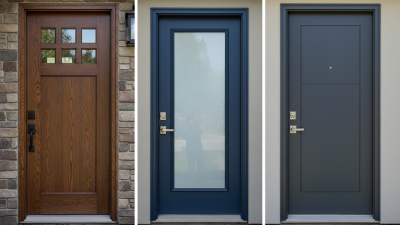
Material changes the door’s strength, appearance, and upkeep. Solid wood offers warmth and strong visual character, yet it needs sealing against moisture and sunlight. Steel provides excellent security and resists heavy use, although damaged coatings can eventually invite corrosion. Aluminum is lightweight and performs well in damp conditions. It can, however, transfer heat without suitable thermal breaks. Fiberglass often imitates wood with less routine maintenance, but its surface may still suffer from impact damage.
In exterior inspections, the frame and threshold deserve equal attention. A well-made door can perform poorly when the frame is uneven or the threshold allows water inside. Weatherstripping should compress evenly. Hinges should move without scraping. Small gaps matter. Designers sometimes choose glass for daylight, then discover uncomfortable heat or reduced privacy. That choice is not always wrong, but it deserves a more careful balance between visibility, insulation, security, and local weather.
What Are the Main Types of Outside Building Doors?
Outside building doors mainly fall into hinged, sliding, folding, revolving, and overhead types. Hinged entry doors suit most homes and offices because they seal tightly and support strong hardware. Sliding patio doors save floor space, although worn rollers can create air leaks. French doors add a wider opening but need careful alignment. Folding doors work well for cafés and outdoor rooms, while revolving doors reduce drafts in busy commercial entrances. Overhead doors serve garages, warehouses, and loading areas. Fire-rated and security doors require tested assemblies, not just heavy materials.
Performance matters as much as appearance. The U.S. Department of Energy reports that windows can cause 25–30% of residential heating and cooling energy use, reminding us that openings deserve serious attention. Doors also affect comfort through gaps, glass, and poor installation. The National Fenestration Rating Council evaluates U-factor, solar heat gain coefficient, visible transmittance, and air leakage. These ratings help compare products objectively. A door may look impressive, yet still perform poorly. That is an easy mistake to make.
Tips: Match the door to traffic, weather, and available space. Check threshold drainage before choosing a low-profile design. For glass doors, review U-factor and solar heat gain ratings. Inspect hinges, seals, rollers, and frame joints annually. My practical preference is simple: choose proven weather performance before decorative detail. Sometimes, the less dramatic door works better.
How Each Door Type Performs in Different Building Settings
What Are the Top Types of Outside Building Doors?
How Each Door Type Performs in Different Building Settings
Steel doors suit warehouses, schools, and service corridors where impact resistance matters. Their rigid skins tolerate carts, tools, and repeated use. However, unbroken thermal bridging can create cold interior surfaces. The U.S. Department of Energy’s 2018 Commercial Buildings Energy Consumption Survey reports that space heating represents roughly one-third of commercial building energy use. A poorly insulated steel door can quietly increase that burden. Insulated cores and properly fitted weatherstripping help, but installation quality remains decisive.
Fiberglass doors perform well in wet entrances, coastal buildings, and residential settings. They resist rust and usually need less maintenance than painted steel. Wood doors offer strong appearance and useful insulation, yet they demand careful sealing in rain-prone locations. Aluminum-framed glass doors support visibility and heavy pedestrian traffic in offices and retail spaces. Their weak point is often the frame, not the glass. NFRC rating procedures evaluate U-factor and solar heat gain, giving specifiers measurable performance data instead of relying on appearance.
High-wind regions require closer attention. FEMA’s Coastal Construction Manual identifies exterior openings, including doors, as vulnerable parts of wind and windborne-debris protection. Impact-rated assemblies may be necessary in exposed sites. They cost more. Sometimes, they are still the cheaper decision after one storm. Field experience also shows a recurring mistake: selecting a strong slab while ignoring hinges, thresholds, closers, and drainage. A door is an assembly. That detail is easy to forget.
Which Factors Guide the Selection of an Outside Building Door?
What Are the Top Types of Outside Building Doors?
Selecting an outside building door starts with exposure, not appearance. Climate, wind, rain, security, traffic, and maintenance all shape the right specification. The U.S. Department of Energy reports that buildings use about 40% of total U.S. energy. A poorly sealed entrance can add pressure to heating and cooling systems.
Thermal performance
deserves careful attention. Compare U-factor, solar heat gain coefficient, air leakage, and water resistance. The National Fenestration Rating Council provides standardized testing for these values. In cold regions, a low U-factor and insulated core can reduce heat transfer. In hot regions, lower solar heat gain may matter more.
Small gaps still matter. Field inspection often finds worn weatherstripping before major door damage appears.
Wind and impact exposure also guide the decision. FEMA P-361 recommends stronger opening protection for critical facilities in high-wind areas. Local building codes may require tested assemblies, specific glazing, or outward-opening hardware.
Material choice depends on use: steel offers strength, fiberglass resists moisture, and aluminum can reduce weight. However, no material solves every problem. A heavy door may improve durability but increase hardware wear.
A low-cost option may fail earlier under frequent traffic. Selection should include lifecycle cost, repair access, accessibility, and emergency egress. The 2019 National Institute of Building Sciences report estimated that mitigation can return six dollars for each dollar invested, although actual results vary by site.