Best Practices for Choosing Doors Trim for Your Home?
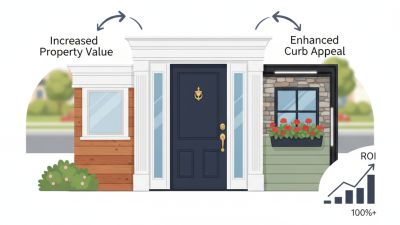
Choosing the right doors trim is crucial for enhancing the aesthetics and value of your home. According to a recent report by the National Association of Home Builders, well-chosen trim can increase a property's worth by up to 5%. This statistic underscores the importance of making informed decisions when selecting doors trim.
Many homeowners overlook how these details impact overall design. Doors trim should complement the architectural style of your home. For example, modern homes benefit from clean lines and minimalistic designs, while traditional homes may require more ornate trim. Failing to match the style can create discord in your space.
Industry experts recommend considering materials carefully. Wood, vinyl, and composite options each have unique benefits and drawbacks. Quality trim can withstand wear and tear while enhancing visual appeal. Yet, many DIYers often make hasty choices without proper knowledge. Investing time in comprehensive research can yield dividends, both in durability and design harmony.
Understanding Different Types of Door Trim Materials Available
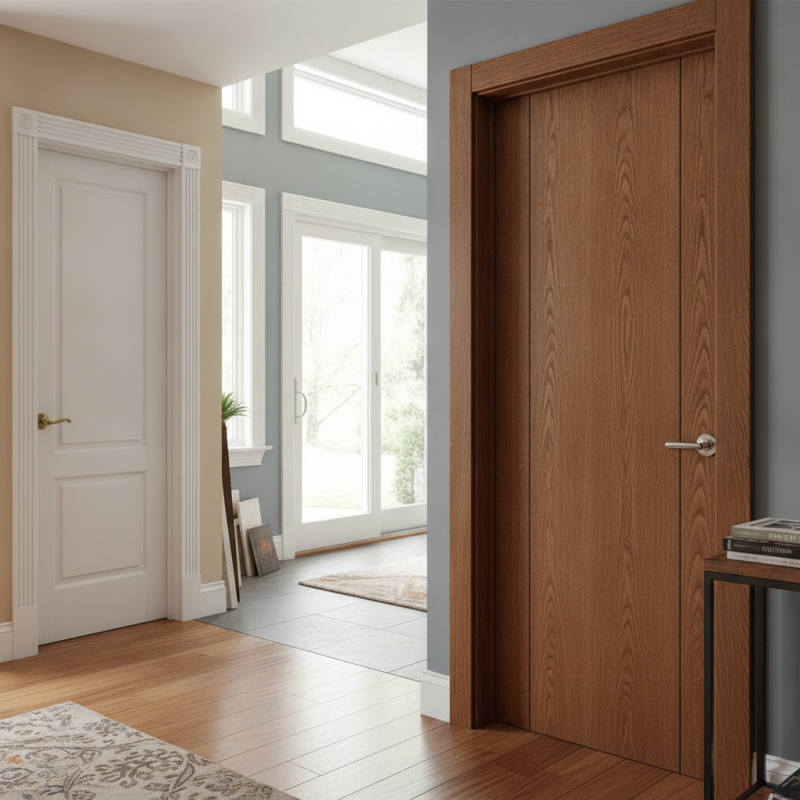
When selecting door trim, understanding the materials available is crucial. Various options exist, each with its unique benefits and drawbacks. Wood, for instance, offers a classic appeal. It can be painted or stained to match your home’s interior. However, wood’s vulnerability to moisture can lead to warping, especially in humid climates. Vinyl is another popular choice. It is durable and water-resistant. Yet, vinyl trim may lack the warmth of wood and can appear less upscale.
MDF (Medium Density Fiberboard) is an engineered product that mimics wood’s appearance. It is often more affordable and resistant to warping. Nonetheless, it can be less durable in high-traffic areas. A study indicated that nearly 40% of homeowners prefer MDF for interior applications due to its versatility.
Tips:
Ensure proper sealing on wood trim. This can prevent moisture damage.
Always consider your home’s climate. Certain materials perform better than others.
Test samples in your lighting to gauge color and texture effectively.
Best Practices for Choosing Doors Trim for Your Home
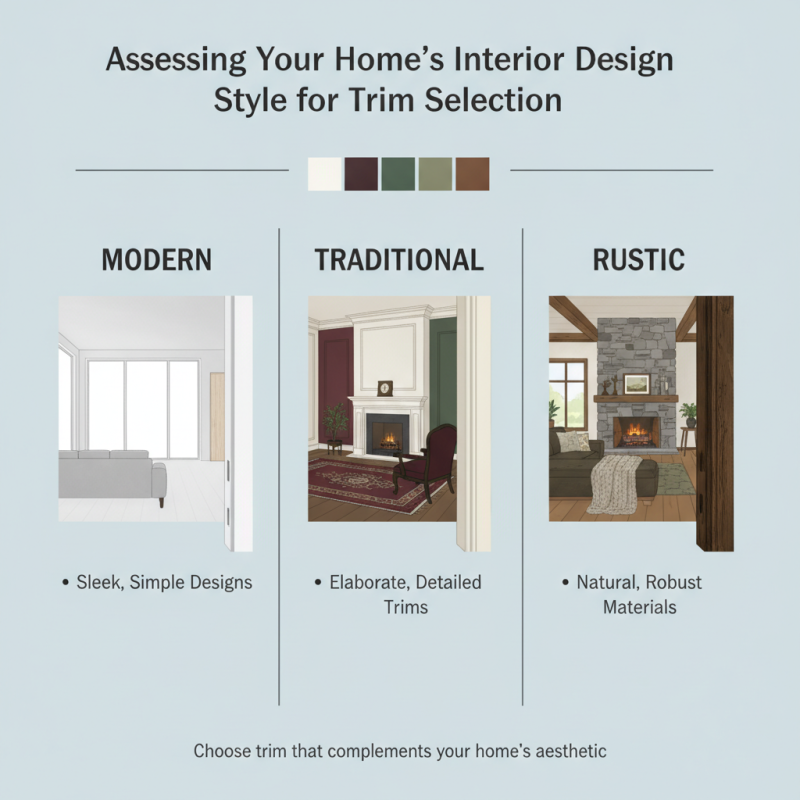
Assessing Your Home's Interior Design Style for Trim Selection
When selecting door trim for your home, start by examining your interior design style. Understanding the overarching aesthetic is crucial. Is it modern, traditional, or perhaps rustic? Each style brings different expectations for trim. For instance, minimalist decor often favors sleek, simple designs. In contrast, a classic style may demand more elaborate, detailed trims.
Colors and textures also play significant roles. Warm woods offer a cozy touch, while painted trim can complement or contrast existing hues. Consider how the trim harmonizes with other design elements in the room. You may find yourself drawn to certain styles but then question their practicality. It's essential to evaluate how the trim interacts with furniture and walls. Small nuances can significantly alter a space's feel, creating harmony or dissonance. Reflecting on these aspects ensures you choose trim that enhances your home's unique character.
Measuring Door Dimensions for Accurate Trim Fitting
Accurate measurements are crucial for selecting the right door trim in your home. According to a report from the National Association of Home Builders, improperly fitted trim can lead to a host of issues, including gaps, misalignment, and aesthetic dissatisfaction. Begin by measuring the door height and width. Ensure to record the thickness as well, as it impacts the trim style you can choose. This ensures proper coverage, which is essential for both function and finish.
Consider the environment where the doors are located. Humidity and temperature can affect wood and other materials. For example, a report by the American Institute of Architects highlights that moisture can cause wood to expand or contract, impacting fit over time. If your home experiences fluctuating climates, opt for materials that are resistant to these changes.
Don’t overlook the importance of account for wall thickness. Knowing whether your walls are load-bearing or not will guide your trim selection. Some homeowners remember to measure but forget to consider uneven wall surfaces. This can create challenges during installation and leave a less polished look. Always measure multiple times and try to factor in any irregularities.
Best Practices for Choosing Door Trim for Your Home
| Dimension Type |
Measurement (inches) |
Recommended Trim Width (inches) |
Notes |
| Door Height |
80 |
3.5 |
Standard height for most interior doors. |
| Door Width |
36 |
4.5 |
Common for exterior doors. |
| Jamb Thickness |
4 |
2.5 |
Standard thickness for most door frames. |
| Room Type |
Living Room |
3.5 |
Decorative trim adds elegance to the space. |
| Room Type |
Bathroom |
3 |
Water-resistant materials recommended. |
Considering Budget and Cost Factors in Trim Choices
When selecting door trim, budget considerations play a vital role. Costs can vary significantly based on materials, styles, and installation methods. Basic MDF or pine trims are often more affordable, but they may lack the elegance of hardwood options. Assessing the long-term value of your choice can be challenging.
Consider what fits your space. High-end woods can elevate a room's appearance but may stretch your budget. If you're unsure, think about mixing materials. Using a more expensive trim in focal areas could strike a balance. Remember, it's easy to get caught up in aesthetics, but practicality matters too.
Installation costs can add up. DIY projects can save you money if you're handy. On the other hand, hiring professionals can ensure a polished look. Weigh the pros and cons of your decisions. Choosing trim is not just about style; it's about making a smart financial choice for your home. Reflect on what you value most in your spaces.
Exploring Installation Techniques for Door Trim Enhancement
Choosing the right door trim can significantly enhance the look of your home. Installation techniques play a vital role in achieving that polished finish.
Start with proper measurements. Always measure twice. This ensures accuracy and helps avoid costly mistakes.
When you begin installation, it’s vital to use the right tools. A miter saw can achieve clean cuts for corners. For larger spaces, consider using a nail gun for efficiency. Ensure your trim lies flat against the wall.
Gaps can lead to unsightly finishes.
Tips: Before painting or staining your trim, consider the overall color palette of your space. It’s wise to test a small area first. This can reveal how the trim interacts with your room's lighting.
Also, don't forget to fill in any nail holes or gaps. Sanding these areas gives a smooth, professional finish. Remember to reflect on your installation process, as learning from small errors can lead to better outcomes in future projects.