China has become a major sourcing base for exterior doors, serving residential, commercial, and hospitality projects worldwide. This guide reviews ten Chinese suppliers for global buyers seeking dependable products, practical customization, and export experience.
The evaluation considers product range, material quality, manufacturing capability, certifications, lead times, and communication. It also examines details buyers often notice late, such as hinge alignment, weather seals, frame tolerances, packaging strength, and surface protection. A well-finished door should open smoothly, close firmly, and withstand repeated exposure to sunlight and rain. Factory photographs help, but verified samples usually tell more.
Supplier claims deserve careful checking.
The selected companies may offer steel, aluminum, wood, fiberglass, or composite doors. Their capabilities can differ considerably. Some specialize in large project orders, while others support smaller private-label purchases. Buyers should request current test reports, installation instructions, warranty terms, and references from comparable markets. Compliance requirements also vary by destination, so local building codes and performance expectations must be confirmed before payment.
No ranking can represent every purchasing situation. Pricing, shipping conditions, and production capacity may change. Information published online can also be incomplete or outdated. That limitation matters. Careful buyers should compare quotations, inspect samples, clarify responsibility for defects, and use agreed quality checkpoints before mass production. This article offers a practical starting point, not a substitute for independent due diligence. The right supplier is rarely the cheapest one; it is the partner whose evidence, process, and communication remain reliable when project details become difficult.
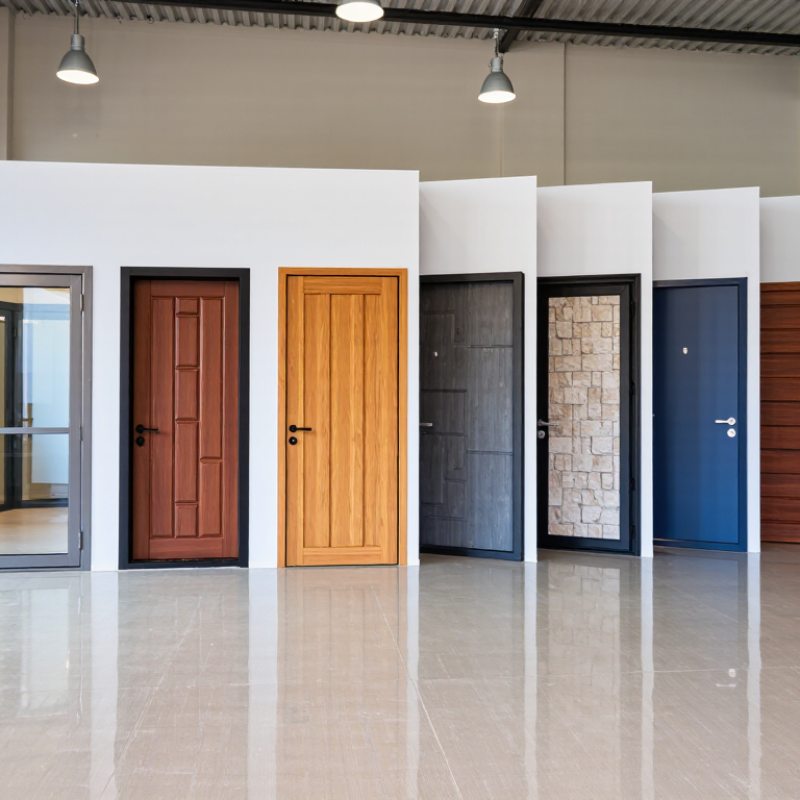
A leading Chinese exterior door supplier offers more than attractive catalog images. It shows proven manufacturing experience through stable production, careful assembly, and documented quality checks. Buyers should examine frame alignment, hinge strength, sealing performance, and surface durability. Small defects often become expensive problems after installation.
Professional suppliers understand different climates and building standards. They can recommend suitable materials for coastal humidity, freezing winters, strong sunlight, or heavy rainfall. Reliable teams provide accurate drawings, sample approvals, packing details, and clear production schedules. Test reports should be traceable and relevant to the actual door model. A certificate alone proves little. That is worth remembering.
Tips: Request a full-size sample when possible. Check corner joints, locking points, drainage paths, and gasket compression by hand. Ask how damaged units are handled before placing a large order. A dependable supplier answers directly, accepts reasonable inspection, and records corrective actions. Communication quality matters too. Delayed replies may signal weak project control, although every factory can have an occasional rough week.
Experience also appears in export preparation. Strong suppliers understand container loading, moisture protection, labeling, and installation guidance. They do not hide limitations. For example, a supplier may admit that a certain finish performs poorly in intense sunlight. That honesty builds trust. Global buyers should compare factory capacity, inspection procedures, after-sales support, and realistic lead times rather than choosing only by price. The cheapest quotation can become the most expensive decision.
| Rank | Anonymous Supplier Profile | Primary Product Strength | Main Door Materials | Typical MOQ | Standard Production Lead Time | Customization Capability | Common Compliance Documents | Export Readiness | Warranty Practice |
|---|---|---|---|---|---|---|---|---|---|
| 1 | Profile A | High-volume insulated entry doors | Galvanized steel, aluminum, fiberglass | 50–100 units | 25–40 days | High; drawings, colors, glazing and hardware | Material test reports, quality inspection records, packing list | Experienced with container exports | 1–5 years, depending on product and contract |
| 2 | Profile B | Thermal-break aluminum exterior doors | Aluminum alloy, insulated glass | 20–50 units | 30–45 days | High; opening sizes, profiles and finishes | Aluminum profile reports, glass specifications, coating records | Suitable for residential and commercial projects | 2–5 years |
| 3 | Profile C | Decorative steel security doors | Galvanized steel, stainless steel accents | 30–80 units | 30–50 days | Medium to high; patterns, colors and locksets | Steel specifications, coating tests, hardware test reports | Strong for residential building projects | 1–3 years |
| 4 | Profile D | Wood-look composite exterior doors | Composite panels, steel core, aluminum frames | 50–100 units | 35–50 days | High; surface textures and dimensional options | Panel composition, weather-resistance and adhesion reports | Suitable for distributor and project orders | 1–3 years |
| 5 | Profile E | Fire-rated metal exterior doors | Galvanized steel, mineral core | 20–50 units | 35–60 days | Medium; rated assemblies require controlled specifications | Fire-test reports, smoke-control data, hardware documentation | Project documentation normally required before production | 1–2 years |
| 6 | Profile F | Modern minimalist pivot and oversized doors | Aluminum, steel, laminated or insulated glass | 10–30 units | 40–65 days | Very high; bespoke dimensions and finishes | Structural calculations, glass data and load-test records | Best suited to custom architectural projects | 2–5 years |
| 7 | Profile G | Cost-efficient steel entry doors | Cold-rolled or galvanized steel, foam core | 100–300 units | 20–35 days | Medium; standard designs with selected options | Material certificates, inspection reports, packaging records | Efficient for wholesale container orders | 1–2 years |
| 8 | Profile H | Premium stainless-steel entrance doors | Stainless steel, tempered or laminated glass | 10–40 units | 40–70 days | High; metalwork, glazing and hardware options | Stainless-steel grade reports, glass certificates, finish inspection | Suitable for luxury residential and hospitality projects | 2–5 years |
| 9 | Profile I | Energy-conscious insulated door systems | Aluminum, thermal barriers, low-emissivity glass | 20–60 units | 35–55 days | High; thermal and acoustic specifications | U-value data, air-water-wind test reports, glass specifications | Suitable for energy-efficient building projects | 2–5 years |
| 10 | Profile J | Small-batch custom exterior doors | Steel, aluminum, wood veneer and composite materials | 5–20 units | 45–75 days | Very high; one-off and project-specific designs | Material declarations, shop drawings and final inspection records | Best for architects, contractors and specialized dealers | 1–3 years |
Note: The rankings and figures represent anonymized supplier capability benchmarks commonly used in international sourcing. Actual MOQ, lead time, compliance documentation and warranty terms should be confirmed in the supplier’s quotation and technical agreement.