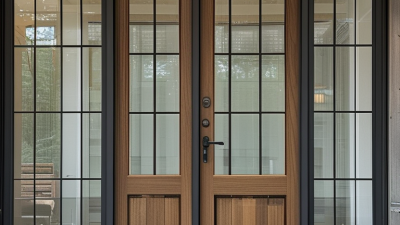
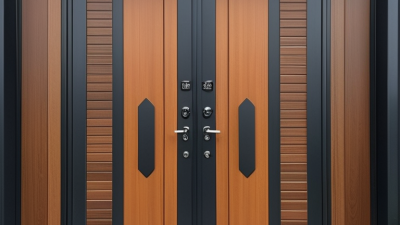
Outside trim is more than a decorative border around a home. It protects vulnerable joints, frames doors and windows, and helps exterior surfaces handle rain, sunlight, and seasonal movement. A small gap beneath a window sill can guide water toward the wall. A poorly sealed corner can swell, crack, and invite expensive repairs. The details matter.
Professional carpenter Gary Katz has said, “Good trim work begins with careful layout, not with the nail gun.” That principle applies directly to outside trim. Before choosing a profile, measure the opening, inspect the wall condition, and study how water moves across the elevation. Wood, cellular PVC, fiber cement, and composite materials each behave differently. Their edges need suitable primers, fasteners, sealants, and maintenance plans.
There is no single best type for every property. Wood can deliver warmth and authentic proportions, but it demands regular painting and honest moisture control. PVC resists rot and simplifies upkeep, although it can expand noticeably in strong heat. Fiber cement offers durability and a crisp finish, but cutting it requires care and proper dust protection. The “best” choice may still be imperfect. Budget, climate, exposure, and craftsmanship can change the result.
This guide examines those trade-offs closely. It also considers profile depth, corner details, drip edges, paint compatibility, and installation mistakes. A beautiful sample in a showroom proves very little. Real performance appears after years of wet winters, harsh sun, and ordinary neglect.
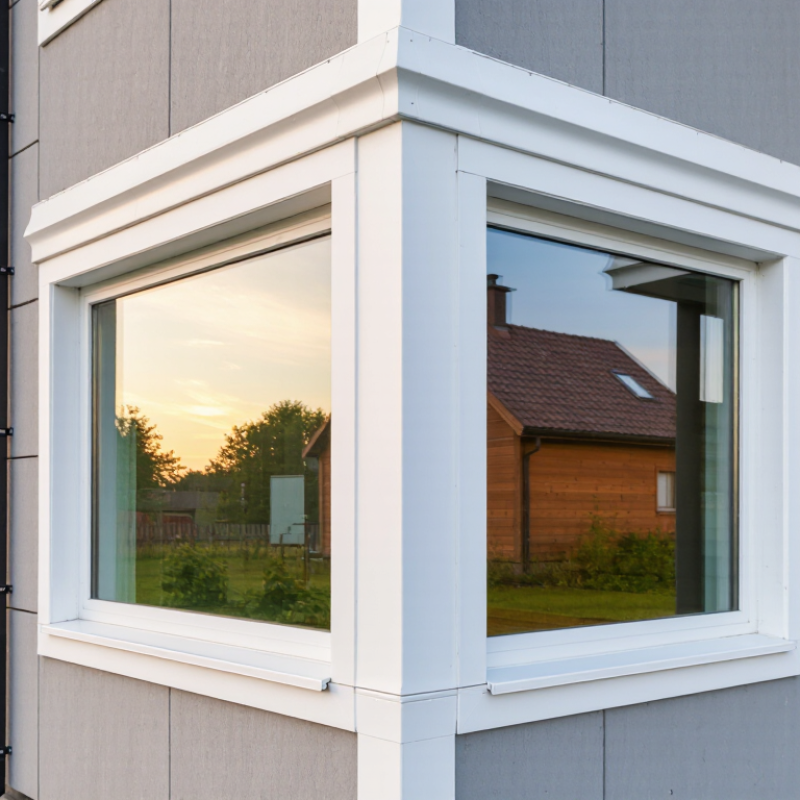
Outside trim is the protective finishing material installed around windows, doors, roof edges, corners, and other exterior joints. It covers exposed gaps between different building surfaces. More importantly, it helps direct rainwater away from vulnerable areas. A narrow trim board can prevent water from entering behind siding, where hidden rot may develop.
Outside trim also shapes a home’s visual character. Clean lines around a window can make an ordinary wall look carefully finished. However, appearance should not be the only deciding factor. Wood offers a traditional look and can be repaired, but it needs regular painting and careful sealing. PVC resists moisture and insects, while fiber cement handles changing weather well. Metal trim is useful for sharp edges and strong water control, but dents can be difficult to repair.
Details matter.
During exterior inspections, I have seen trim fail because installers sealed the front face but ignored the top edge. Water found the gap. That small mistake caused staining inside the wall. The best choice depends on climate, exposure, maintenance habits, and the surrounding materials.
Check for straight joints, sealed end cuts, sloped surfaces, and visible drainage paths. No material is perfect. Even low-maintenance trim still needs inspection after storms. Looking closely may reveal cracked caulk, swollen corners, or loose fasteners before repairs become expensive.
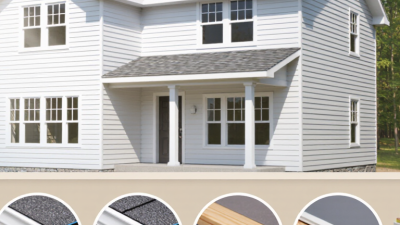
What Is Outside Trim and How to Choose the Best Type?
Exterior trim does more than frame a window or sharpen a roofline. It helps direct rain away from joints, protects exposed edges, and covers transitions between siding, roofing, doors, and masonry. Properly installed trim also supports flashing and drainage paths. The U.S. Department of Energy reports that air sealing can reduce heating and cooling costs by 5% to 30%. Trim cannot create an airtight wall alone, but gaps around openings can weaken overall performance. Small details matter.
Material choice should match exposure, movement, and maintenance expectations. Fiber cement and engineered wood resist moisture better than untreated wood, while metal trim performs well around roof edges and high-impact areas. PVC can suit wet locations, but temperature changes may cause expansion if installers leave too little clearance. Choose profiles with sloped tops, drip edges, and sealed end cuts. The U.S. Environmental Protection Agency’s moisture-control guidance emphasizes continuous drainage, flashing, and careful water management around openings. A decorative profile is not automatically a protective one. I have seen attractive trim fail because its lower edge trapped water. That mistake is easy to repeat. Check local weather, wall assembly, fastener spacing, and repainting needs before choosing a type.
The Main Functions of Exterior Trim: thermal movement is an important factor when selecting a material for window surrounds, door casings, fascia, soffits, and other exposed edges.
The chart shows approximate linear thermal expansion coefficients in micrometres per metre per degree Celsius (µm/m·°C). Materials with higher movement require properly sized gaps, flexible sealants, and secure installation details to help maintain weather resistance and prevent cracking or distortion. Actual values vary by product formulation, moisture content, grain direction, and temperature range.
Outside trim frames windows, doors, roof edges, and corners. It also helps direct rain away from vulnerable joints. Wood offers natural grain and easy cutting, but it needs regular painting and careful sealing. Fiber cement resists moisture, insects, and temperature changes. PVC is lightweight and low-maintenance, although it can expand in strong heat. Aluminum trim handles wet conditions well, but dents may show quickly. Composite materials can balance durability and appearance, yet their cost is often higher.
Popular styles include flat casing, stepped casing, corner boards, frieze boards, and decorative brackets. Flat trim suits clean, modern homes. Wider stepped profiles create a stronger traditional appearance. Match the trim depth to the siding, window frame, and roofline. A narrow profile can look weak beside heavy siding. An oversized profile may hide too much detail. Measure the wall and check water paths before choosing. Small gaps around joints often become large repair problems.
Tips: Select materials for your local weather, not only appearance. Seal cut edges before installation. Keep trim at least slightly above standing water. I have seen attractive wood trim fail because its bottom edge touched a wet sill. That mistake is easy to repeat. Review samples outdoors, where sunlight changes color and texture. No option is perfect. A practical choice usually combines drainage, maintenance needs, and the home’s existing style.
Outside trim frames windows, doors, roof edges, and corners while helping shed rain. Its best material depends on your home’s exposure, not only its appearance. The U.S. Department of Energy’s Building America Solution Center identifies air sealing and water management as major parts of durable enclosure design. Poorly joined trim can hide leaks until paint bubbles or wood softens.
Match trim to your climate first. In wet regions, cellular PVC or composite trim resists repeated moisture better than untreated wood. Wood can still work, but it needs sealed end cuts, sloped tops, and regular inspections. In hot, sunny areas, choose finishes tested for ultraviolet exposure. Dark colors may absorb more heat. They can look elegant, but large boards may move and open joints.
Cold climates demand careful attention to freeze-thaw cycles. Leave movement gaps according to the manufacturer’s installation guidance, and keep trim clear of standing snow or splashback. Coastal homes need corrosion-resistant fasteners and non-absorbent materials. The Federal Emergency Management Agency recommends durable, water-resistant detailing in flood-prone construction, especially around openings. Small details matter.
A practical field check is simple. Stand near the wall after rain. Look for staining, trapped water, or cracked caulk. The National Association of Home Builders reports that moisture management remains a leading concern in residential construction. I would not choose trim from a showroom sample alone. Climate data, wall design, maintenance time, and local installer experience should share the decision. My first choice may still be wrong if drainage was ignored.
Outside trim frames windows, doors, roof edges, and corners while directing rain away from wall assemblies. The best material depends on climate, exposure, and maintenance tolerance. Wood offers easy cutting and a traditional appearance, but it needs careful priming on every end grain. PVC resists rot and insect damage. Fiber-cement trim handles heat and moisture well, though cutting creates fine dust. Metal trim suits sharp edges, but poor fastening can cause oil-canning or corrosion.
Installation details matter more than appearance. Keep trim clear of soil and standing water, and use corrosion-resistant fasteners suited to the substrate. Seal joints, but do not block designed drainage paths. Around windows, integrate flashing with the water-resistive barrier, then slope horizontal surfaces slightly outward. The U.S. Department of Energy reports that air sealing can reduce heating and cooling costs by 10%–20%. Small gaps matter. They really do.
Maintenance should include a spring and autumn inspection. Check paint cracks, open joints, swollen wood, loose fasteners, and dark staining beneath sills. The USDA Forest Products Laboratory notes that moisture is a primary cause of wood deterioration, so drying the assembly is essential. Clean trim with mild soap and water, not aggressive pressure washing. Replace damaged sections instead of hiding them with thick caulk. A perfect repair is not always possible. Local weather, installation errors, and overlooked drainage can still shorten service life. Recheck after the next heavy rain.
Outside trim is the exterior finishing material installed around windows, doors, roof edges, corners, and other transitions. It helps direct water away from vulnerable joints, covers gaps, and adds architectural definition to the building exterior.
| Trim Material | Best Exterior Uses | Moisture and Rot Resistance | Appearance and Paintability | Installation Considerations | Maintenance Requirements | Main Advantages | Common Limitations |
|---|---|---|---|---|---|---|---|
| Solid Wood |
|
Requires careful sealing, priming, and detailing. Unprotected end grain and joints can absorb water and eventually decay. | Natural grain and profile options provide a classic appearance. It accepts most exterior-grade paints and stains after proper preparation. | Cut ends should be sealed. Use corrosion-resistant fasteners and keep the trim separated from standing water and soil. | Inspect at least annually for peeling paint, open joints, soft areas, and failed caulk. Repaint or reseal when the protective coating deteriorates. | Easy to shape, repair, and customize; available in many profiles; authentic natural appearance. | Can swell, shrink, crack, or rot when repeatedly exposed to moisture or when maintenance is neglected. |
| Cellular PVC |
|
Does not absorb water and will not rot. Joints and fastener holes still need appropriate detailing to prevent movement and water entry behind the trim. | Smooth, uniform surface; commonly available in white and can usually be painted with a compatible exterior coating. Dark colors may increase heat-related movement. | Allow for thermal expansion according to the product instructions. Use recommended fasteners, support wide boards adequately, and avoid overdriving nails or screws. | Wash periodically with mild soap and water. Check caulked joints and painted surfaces, especially on highly sun-exposed elevations. | Rot-resistant, low-maintenance, lightweight, and easy to clean. | Expands and contracts more than wood; can dent or deform from impact and may require careful support on long or wide pieces. |
| Fiber-Cement Trim |
|
Resists rot and insect damage, but water can enter through unsealed cuts, joints, or improperly flashed connections. | Provides a painted, wood-like appearance and is available in several textures and profiles. It normally requires compatible exterior paint. | Material is heavy and brittle compared with PVC or wood. Follow cutting requirements, use appropriate dust control, maintain clearances, and seal cut edges when specified. | Repaint when the coating fails. Inspect joints, flashings, and clearances from roofs, decks, and horizontal surfaces. | Durable, noncombustible, resistant to rot and insects, and dimensionally stable in normal service. | Heavier installation, more demanding cutting, and possible edge damage if handled or fastened incorrectly. |
| Engineered Wood |
|
Usually more moisture-resistant and dimensionally consistent than untreated solid wood, but it is not automatically waterproof. Coatings and end sealing remain important. | Can resemble painted wood and is generally easy to prime and paint. Profiles are often consistent from board to board. | Protect cut edges, install with approved fasteners, and follow the specified ground and roof clearances. Avoid exposing unfinished edges to weather. | Inspect coatings and joints regularly. Repair damaged paint or sealant before moisture reaches the substrate. | Consistent appearance, good workability, and less natural movement than many solid-wood boards. | Performance varies by product; prolonged wetting or damaged coatings can still cause swelling or deterioration. |
| Aluminum |
|
Does not rot and has good resistance to normal weather exposure. Contact with dissimilar metals or trapped moisture can contribute to corrosion. | Available in factory-finished colors and can provide a clean, low-profile appearance. Field painting requires suitable surface preparation and coating. | Requires accurate bending and cutting. Avoid sharp creases, provide movement allowances where needed, and use compatible fasteners to reduce galvanic corrosion risks. | Rinse dirt and salt deposits from the surface. Inspect seams, fasteners, scratches, and areas where water may be trapped. | Lightweight, rot-proof, and well suited to covering existing wood trim when properly installed. | Can dent, scratch, or oil-can; color matching and forming details may be more difficult during repairs. |
| Composite Trim |
|
Many composites resist rot and insects, but water resistance depends on the formulation and on how joints and fastener penetrations are detailed. | Often has a consistent manufactured finish and may be supplied prefinished or ready for painting. Follow the coating requirements for the specific material. | Account for product-specific expansion, weight, cutting methods, and fastener requirements. Do not assume that installation details for wood apply unchanged. | Clean with mild soap and water and inspect seams, coatings, and impact damage. Recoat only when recommended for the product. | Stable appearance, resistance to common biological deterioration, and a broad range of decorative profiles. | Cost, weight, and installation methods vary widely; damaged pieces may be harder to match or repair than wood. |
Installation and maintenance reminder: Trim is not a substitute for flashing. At windows, doors, roof-to-wall intersections, and other openings, install the required weather-resistant barrier, flashing, drainage paths, sealants, and clearances according to local building requirements and the material manufacturer's instructions. Always follow the specific installation guide for the selected trim product.